Indonesia > How to travel Indonesia
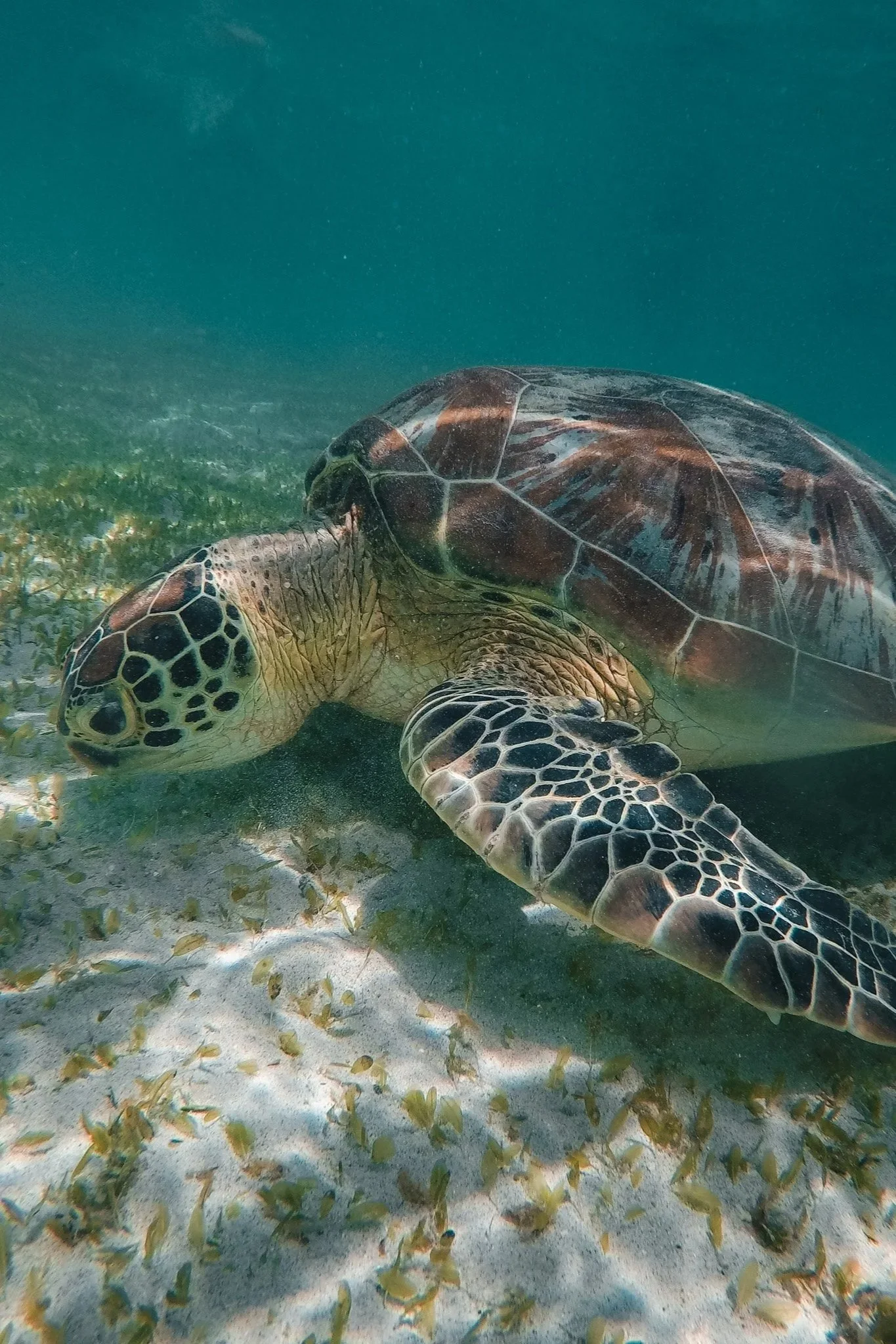
Traveling through Indonesia feels like traveling through multiple countries in one trip. With more than 17,000 islands, the country stretches over 5,000 kilometres across the equator. Every island has its own culture, landscapes, food, and pace of life. One day you might be hiking an active volcano, and a few days later you could be snorkeling with turtles in clear turquoise water.
Indonesia can feel overwhelming when you first start planning. Distances are big, transport takes time, and there are endless places to visit. The secret is simple: don’t try to see everything. Pick a few islands, travel slowly, and let the journey unfold.
When to visit Indonesia
Indonesia is warm all year round, but there are two main seasons.
The dry season (April to October) is usually the best time to travel. You’ll have sunny days, calmer seas, and better visibility for diving and snorkeling. This is also peak travel season, especially on Bali.
The rainy season (November to March) is often misunderstood. Rain usually comes in heavy tropical showers rather than lasting all day. You’ll find fewer crowds and greener landscapes, but boats and island hopping can sometimes be less predictable.
Arriving in Indonesia
Most international travellers arrive in either Jakarta or Denpasar.
Jakarta is Indonesia’s massive capital and main transport hub. It’s busy, chaotic, and rarely a highlight for travellers, but it’s useful for connecting flights across the country.
Denpasar, located on Bali, is often the easiest and most popular arrival point. Many travellers begin their trip here because Bali has great international flight connections and easy access to nearby islands.
Visa for Indonesia
Many travellers can get a Visa on Arrival, usually allowing a 30-day stay with the possibility of extension. Visa rules do change occasionally, so it’s always worth checking before you travel.

Top Destinations
Indonesia is huge, and choosing where to go is often the hardest part. Below are some of the most popular regions and why travellers love them.
Java
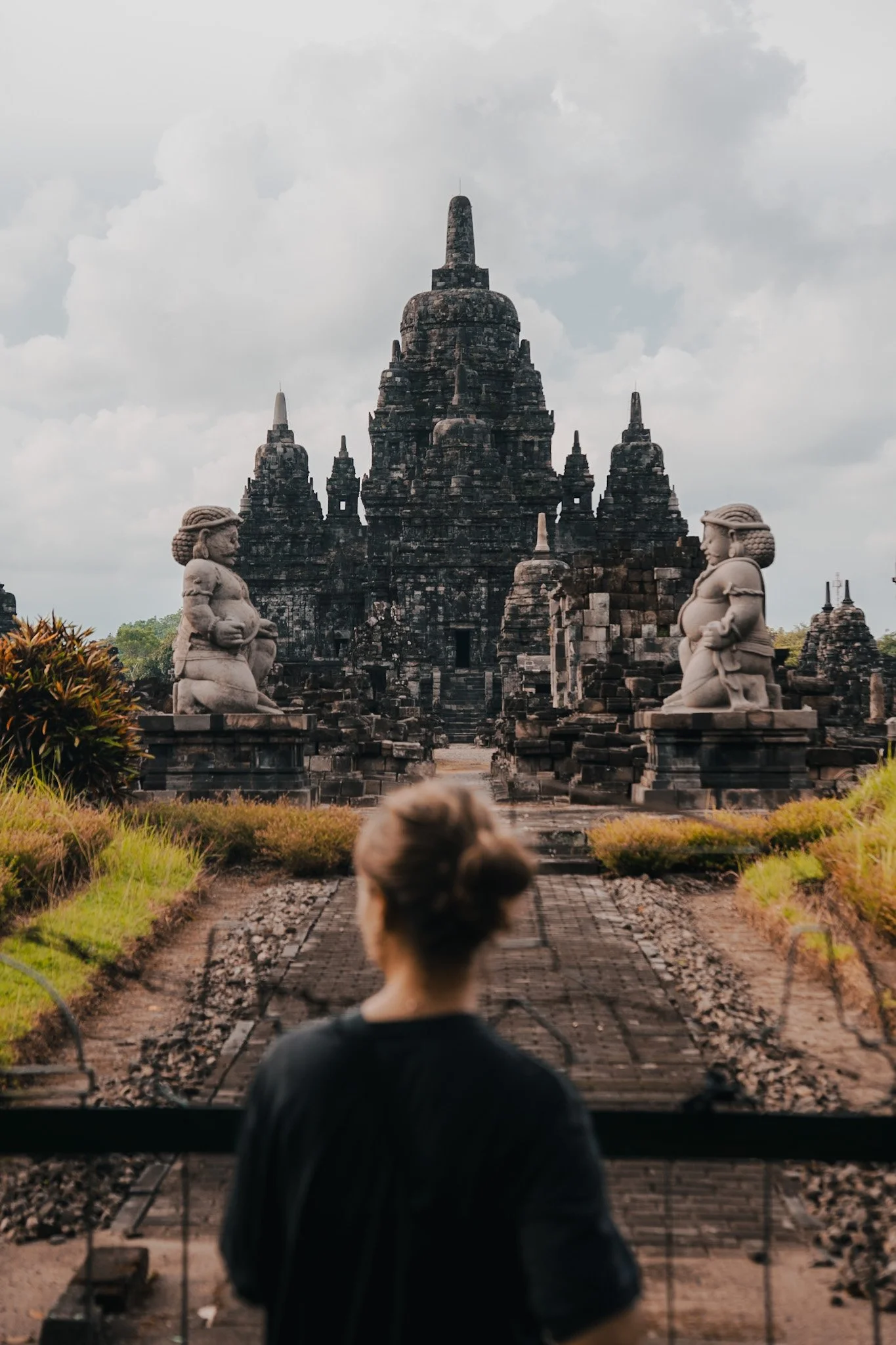
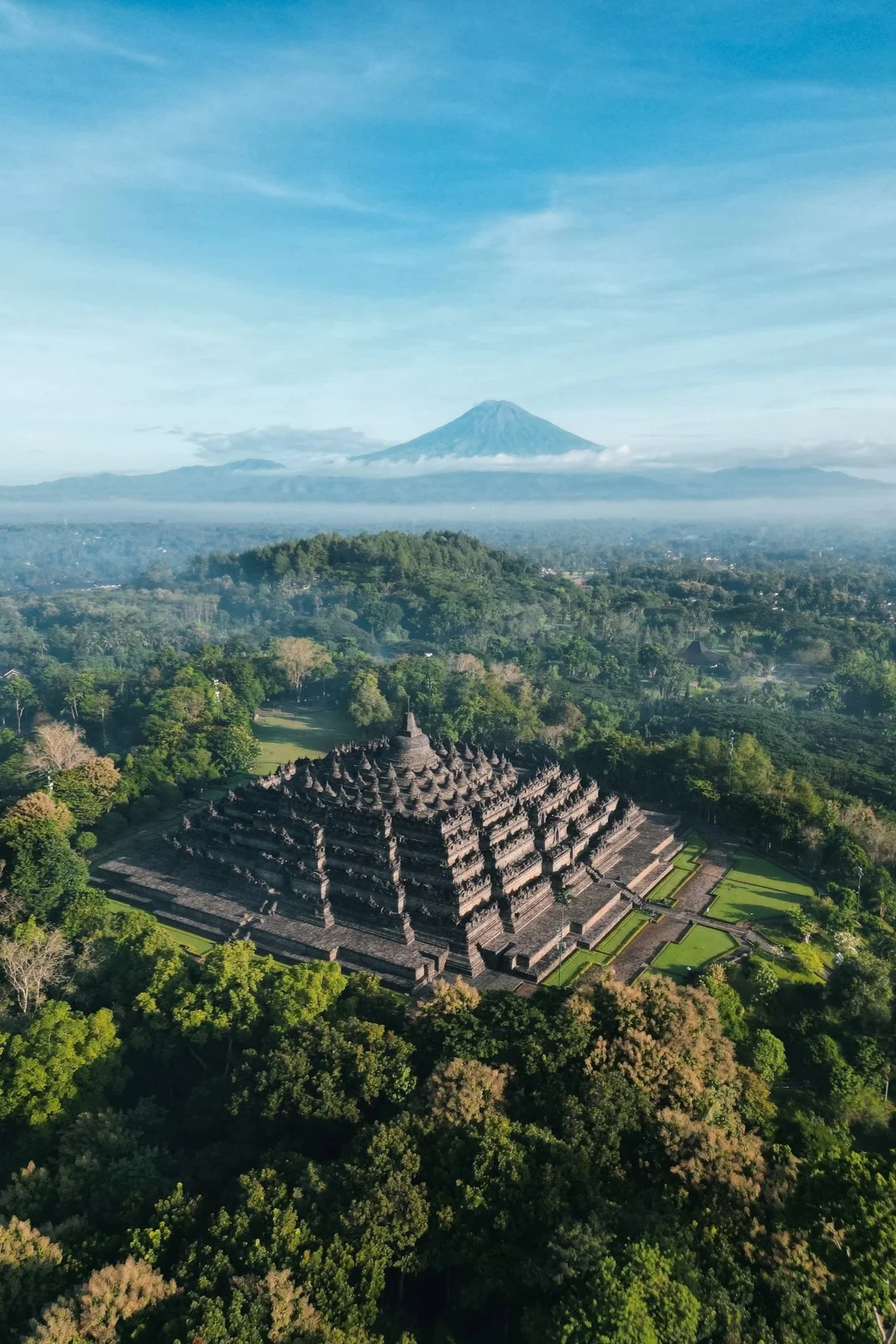
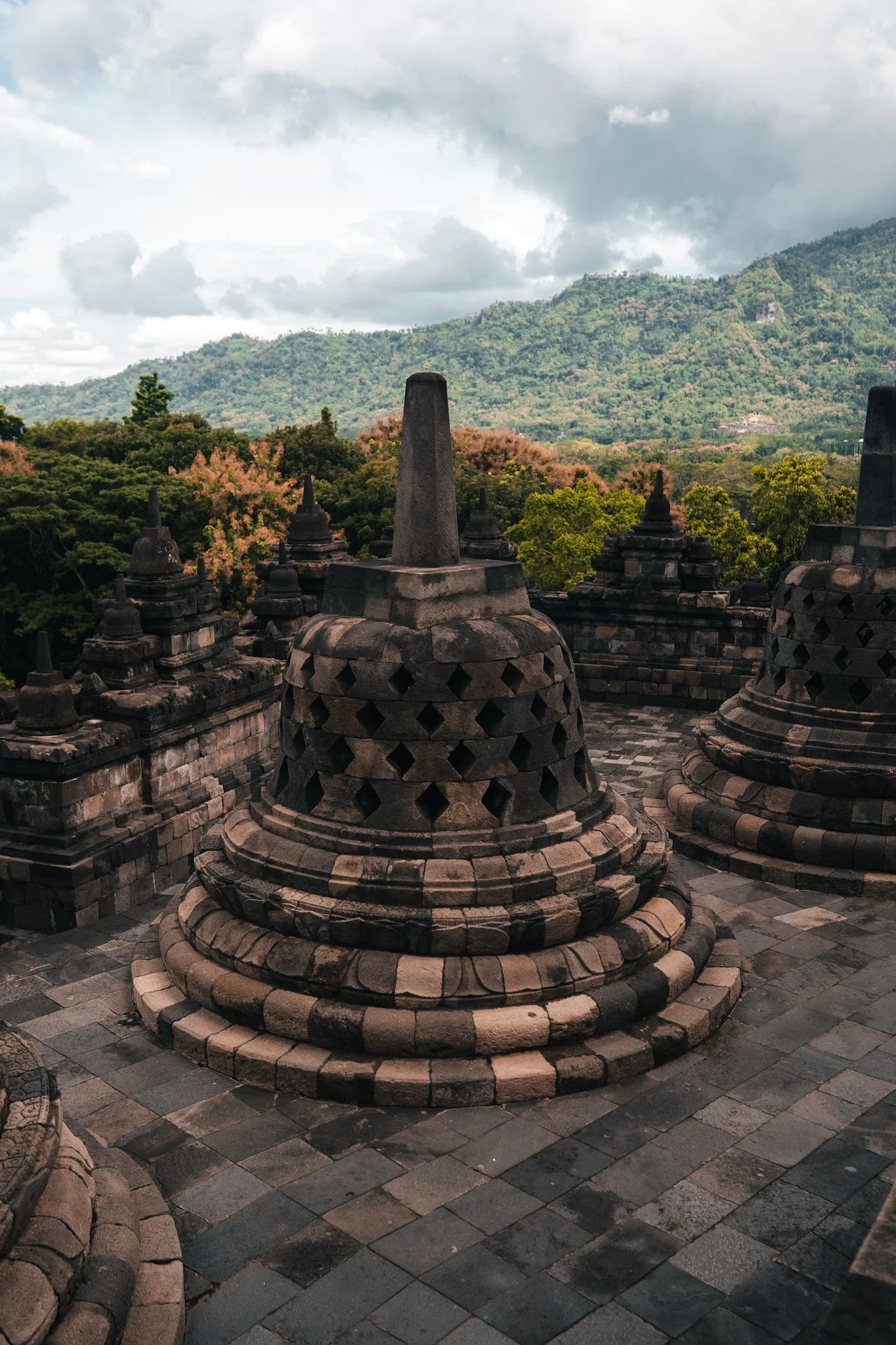
Java is where many travellers start if they want to experience Indonesia’s culture and history. The island is home to bustling cities, ancient temples, and dramatic volcanic landscapes.The cultural highlight is Yogyakarta. The city has a relaxed, artistic atmosphere and serves as the gateway to two of Indonesia’s most famous temples: Borobudur and Prambanan. Sunrise at Borobudur is one of those travel moments that tends to stay with you long after the trip ends.
Java also offers incredible volcano experiences, with Mount Bromo being one of the most famous sunrise hikes in Southeast Asia.
Lombok
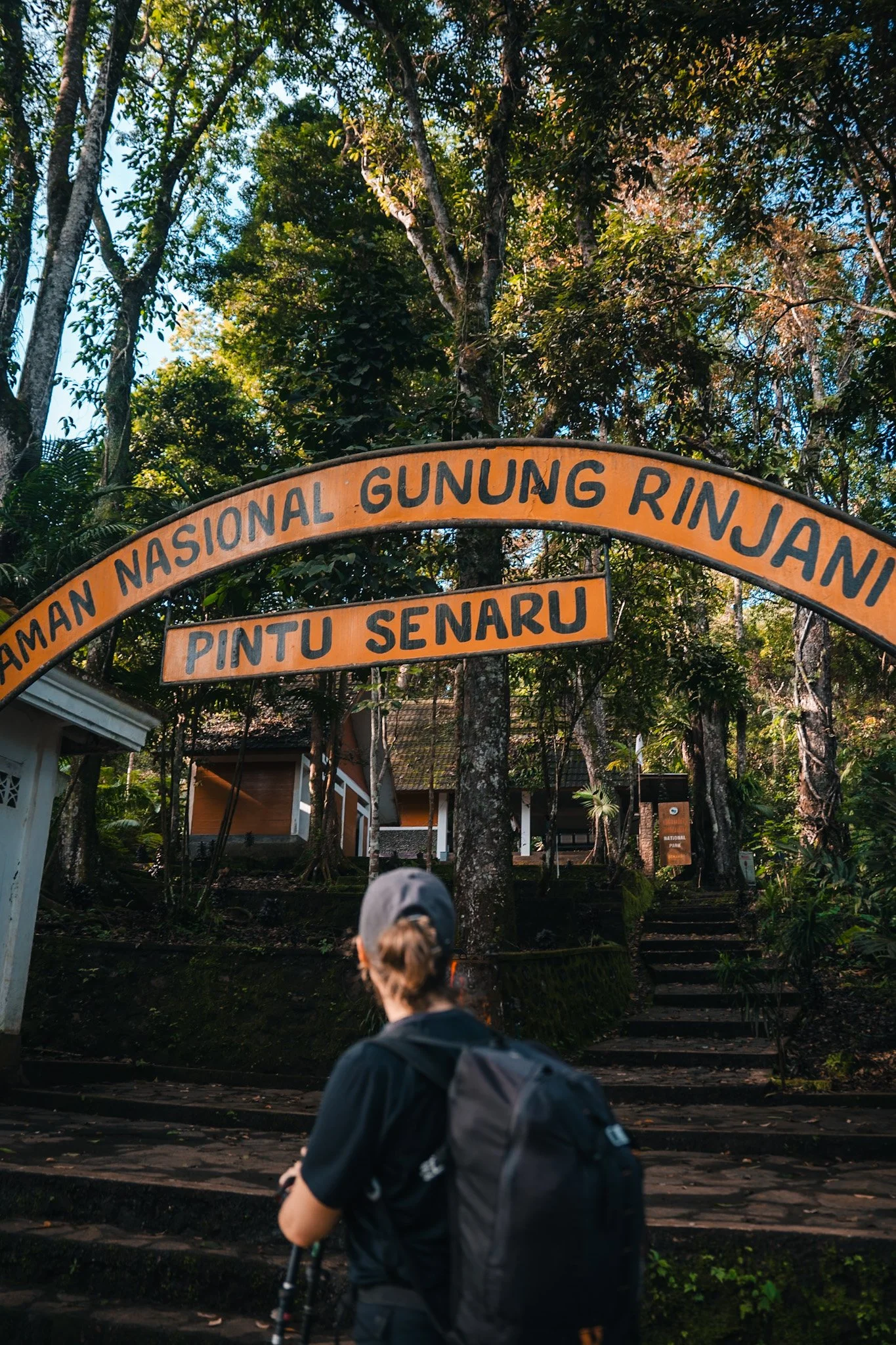
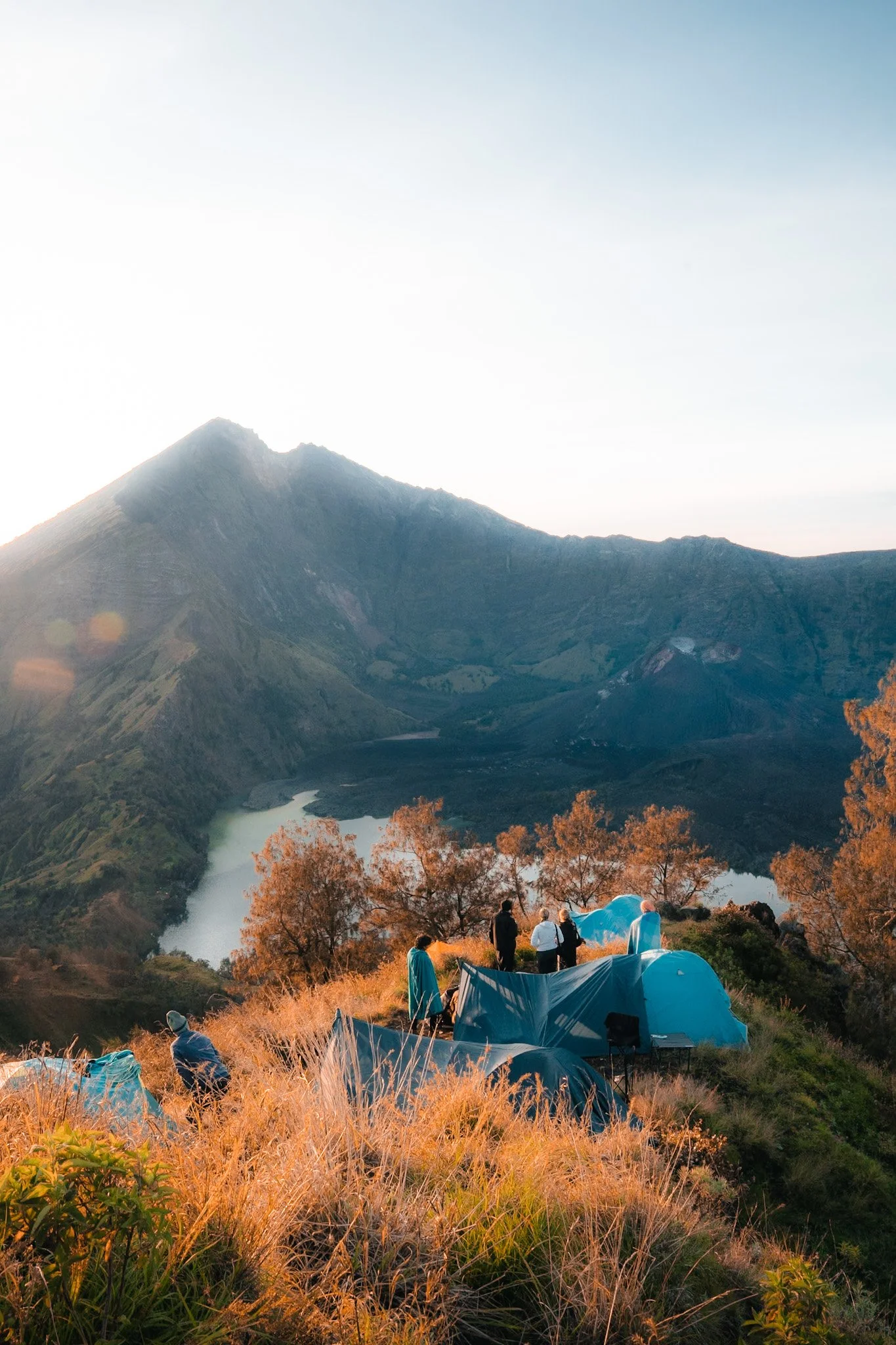
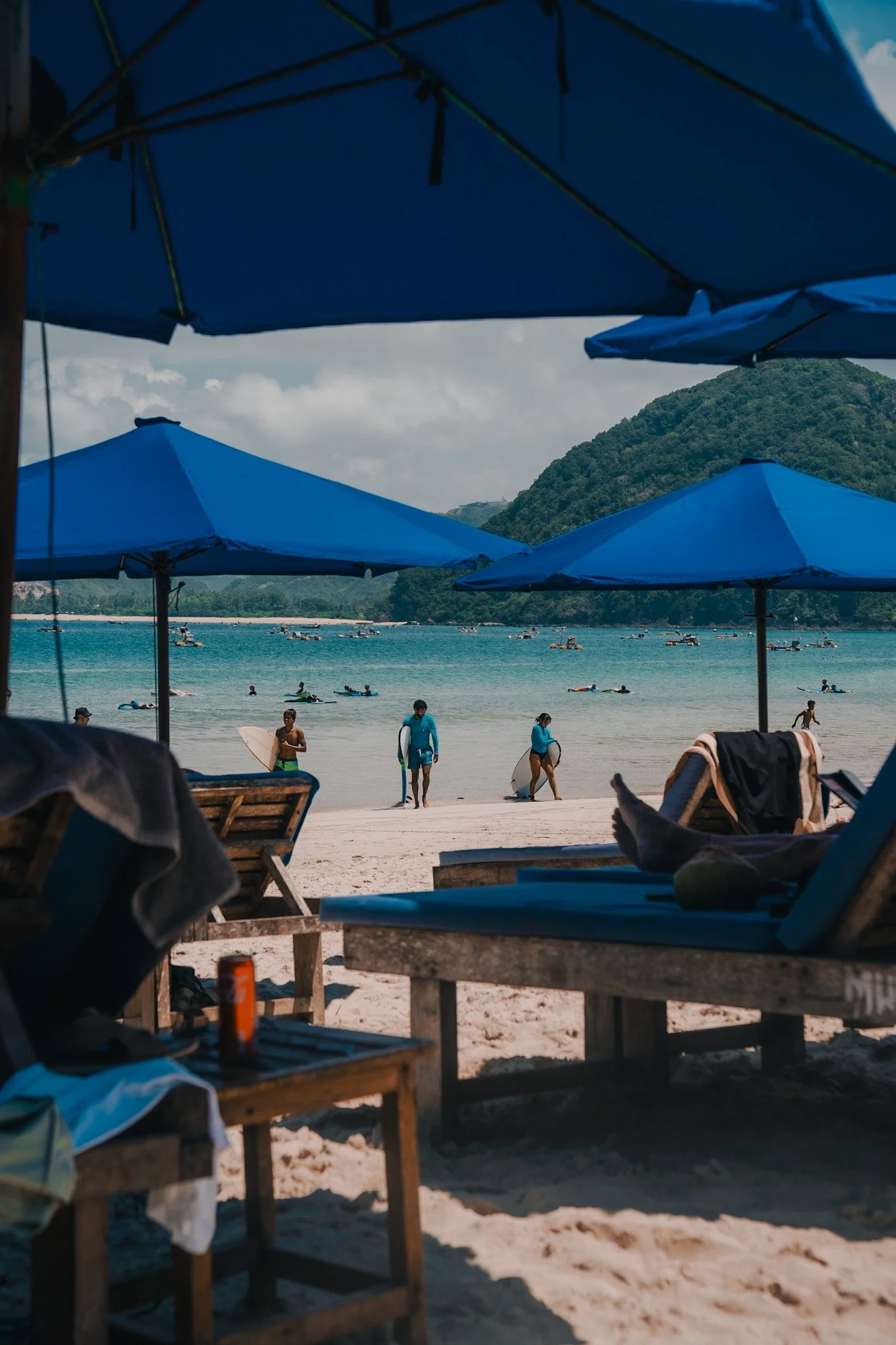
Lombok often feels like Bali did years ago. It is quieter, less developed, and offers a more adventurous feel.The biggest draw here is Mount Rinjani, one of Indonesia’s most impressive volcano treks. The multi-day hike to the crater lake is challenging but incredibly rewarding.
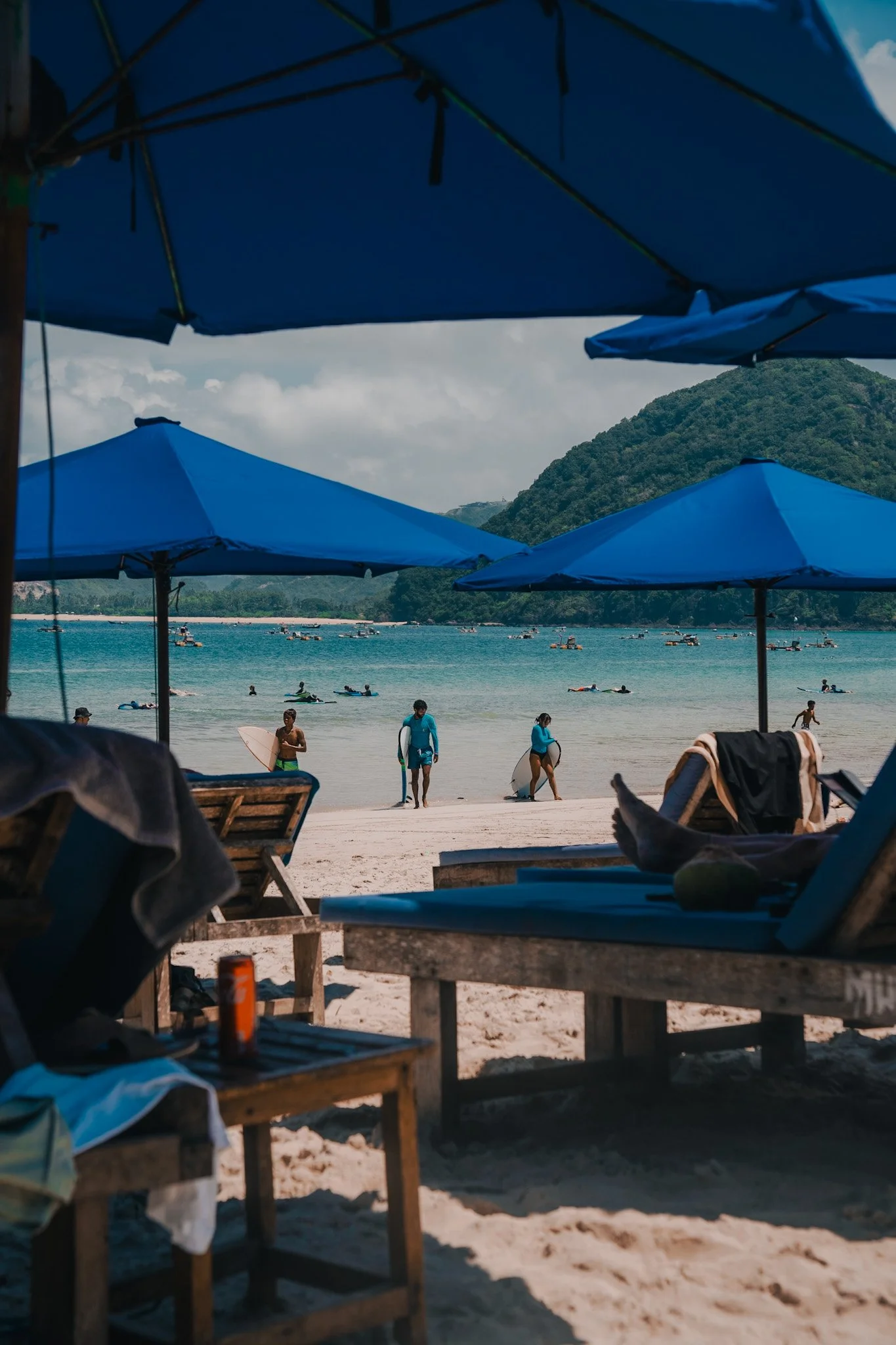
Outside trekking, Lombok has stunning beaches at the Gili Islands, waterfalls hidden in jungle valleys in Tetebatu and small traditional villages where life moves at a slower pace.
Bali
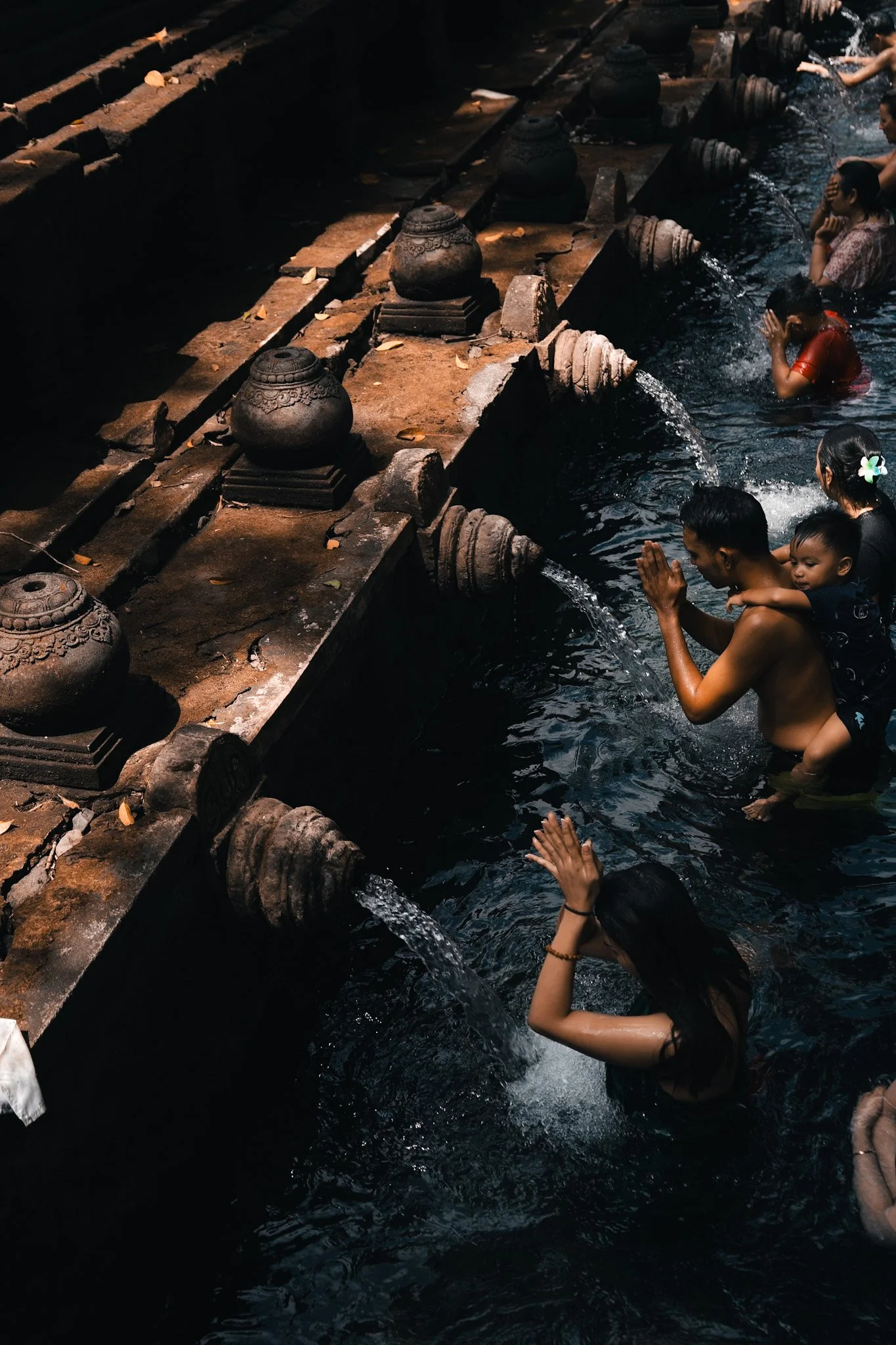
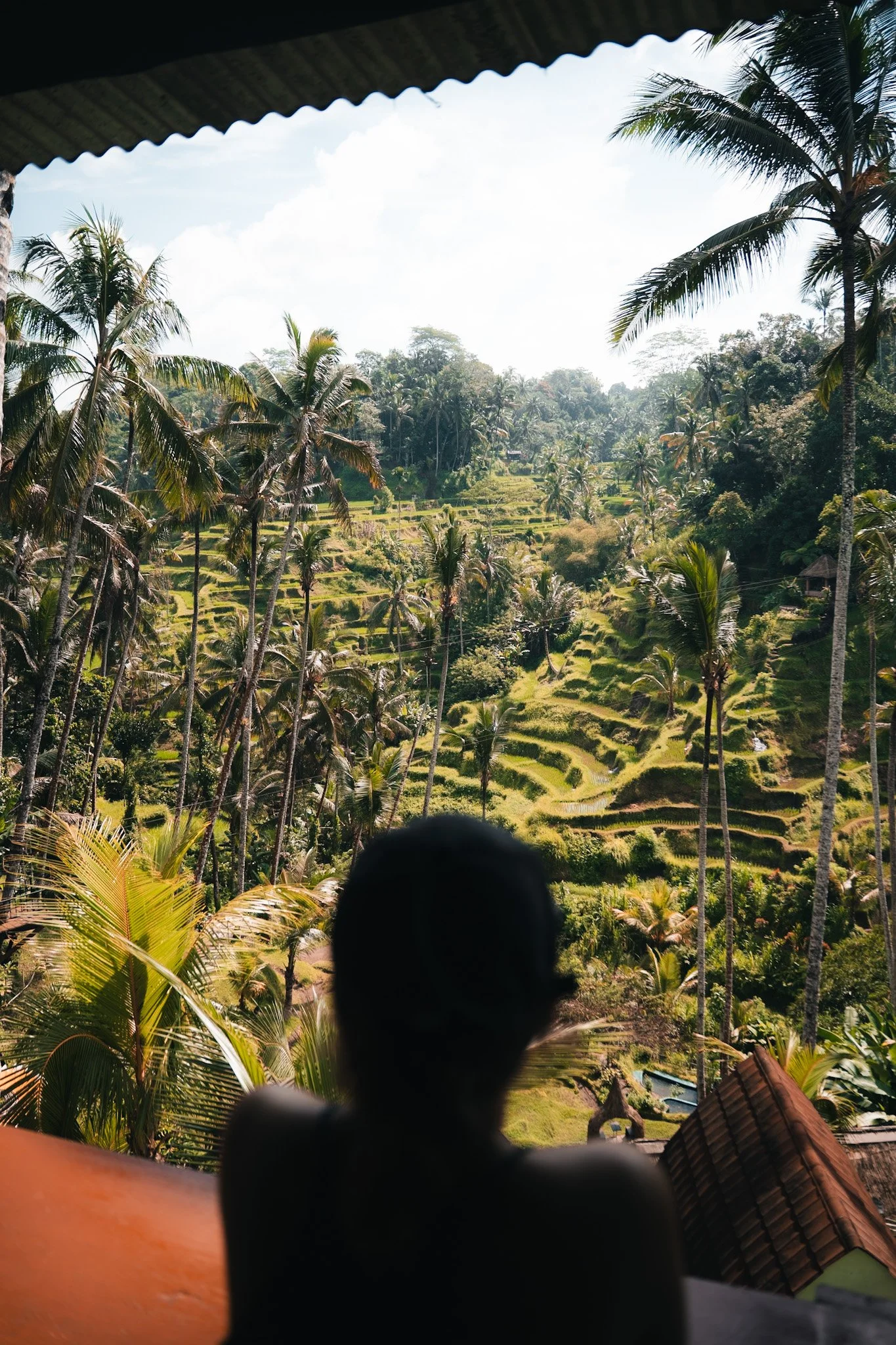
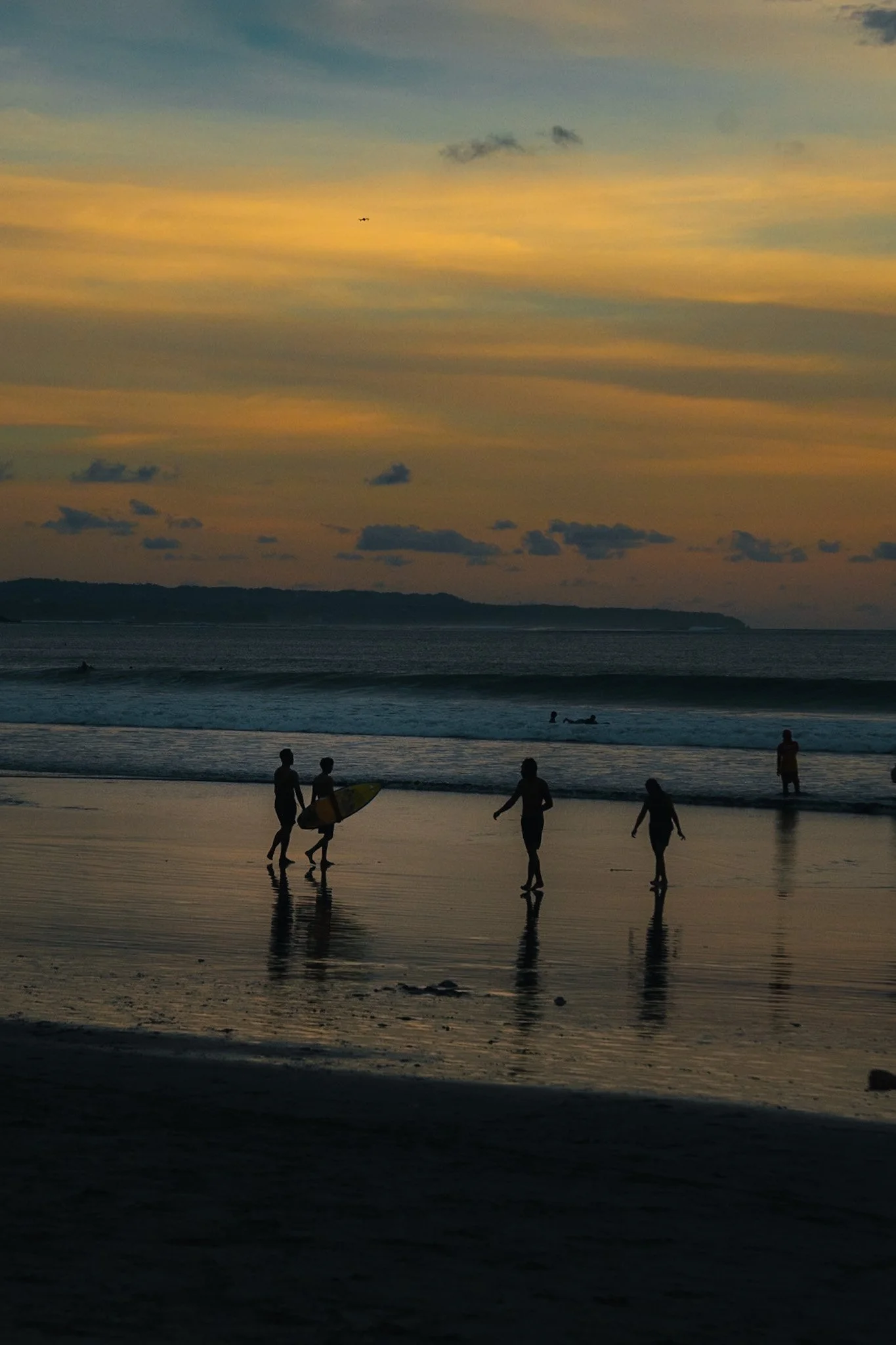
Bali is easily Indonesia’s most well-known destination. While it can be busy, there’s a reason so many travellers fall in love with it.The island has an incredible variety of experiences packed into a relatively small area. You can spend your mornings walking through rice terraces in Ubud, your afternoons surfing in Canggu, and your evenings watching the sunset from a cliffside temple in Uluwatu.
Bali is also one of the easiest places to travel in Indonesia, with good infrastructure, plenty of accommodation options, and excellent transport connections.
Gili Islands - Gili Air
Just off Lombok’s coast lie the Gili Islands, a group of three tiny tropical islands surrounded by coral reefs.Each island has a slightly different vibe. Gili Trawangan is the most lively, Gili Air balances relaxation and social atmosphere, and Gili Meno is the quietest.
There are no cars or motorbikes on the Gilis. Life here revolves around cycling, walking, snorkeling, diving, and watching spectacular sunsets.
Komodo National Park
A remote island chain famous for its wild Komodo dragons, dramatic viewpoints like Padar Island, and world-class snorkeling and diving with manta rays.Flores
A rugged and culturally rich island known for colourful crater lakes at Kelimutu, traditional villages, and its role as the gateway to Komodo adventures.Sumatra
One of Indonesia’s wildest islands, offering dense jungle trekking to spot orangutans, volcanic landscapes, and authentic off-the-beaten-path travel experiences.
Getting Around
Indonesia is not a country where you simply hop on a train and travel everywhere. Distances are huge and transport is part of the adventure.
Domestic flights
Flying is usually the fastest and easiest way to travel between islands. Indonesia has many budget airlines connecting major destinations.Ferries and fast boats
Ferries connect larger islands and are often the cheapest option. Fast boats are popular for island hopping between Bali, Lombok, and the Gili Islands.Trains
Java has a surprisingly comfortable train network. Traveling by train across Java is often one of the most enjoyable and scenic ways to explore the island.Scooters and drivers
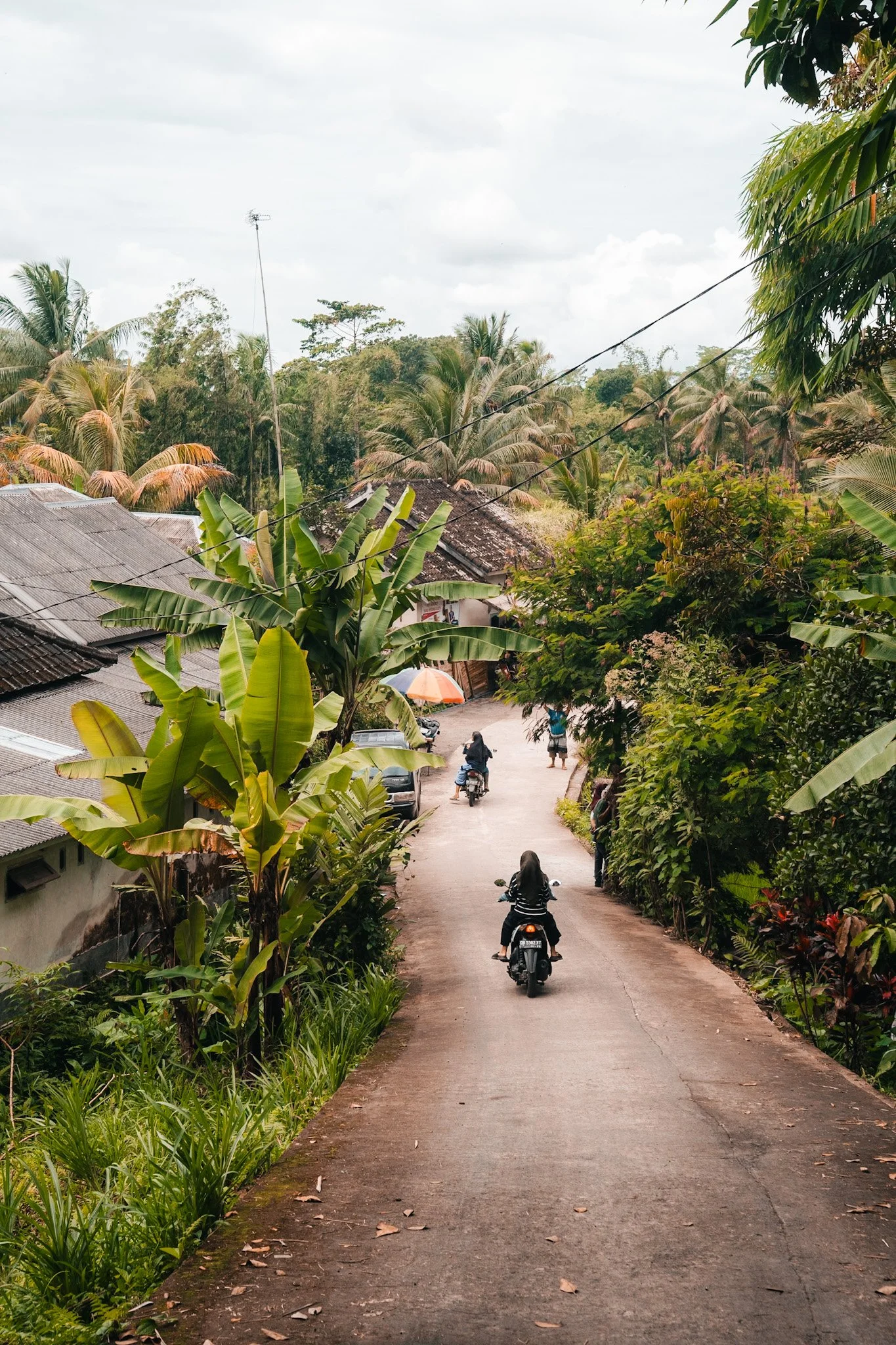
Once you arrive somewhere, scooters are one of the most popular ways to explore. If you don’t feel comfortable driving, hiring a private driver is affordable and very common.
Practical travel tips
Indonesia is generally safe and welcoming, but travel can feel chaotic at times. Embracing flexibility is part of the experience.
Cash is still widely used, especially on smaller islands. ATMs are easy to find in major tourist areas but less reliable in remote regions.
English is commonly spoken in tourist destinations, although learning a few Indonesian phrases often leads to warmer interactions.
Indonesia is culturally diverse but generally conservative, especially outside major tourist areas. Dressing respectfully when visiting temples or villages is appreciated.
Responsible travel in Indonesia
Indonesia’s natural beauty is one of its biggest treasures, but it is also fragile. Using reef-safe sunscreen, avoiding stepping on coral, and choosing locally owned businesses all help protect these destinations.
Respecting local customs and traditions often leads to deeper and more memorable travel experiences.

Traveling from Yogyakarta to Lombok, Bali and the Gili Islands
This is one of the classic Indonesia travel routes and combines culture, volcanoes, and tropical islands in one journey.
The most common route
Most travellers start in Yogyakarta and then fly to Bali. Flights are short, affordable and save a lot of time. Budget travellers sometimes travel overland across Java and take a ferry to Bali, which can take a full day but is a great adventure.
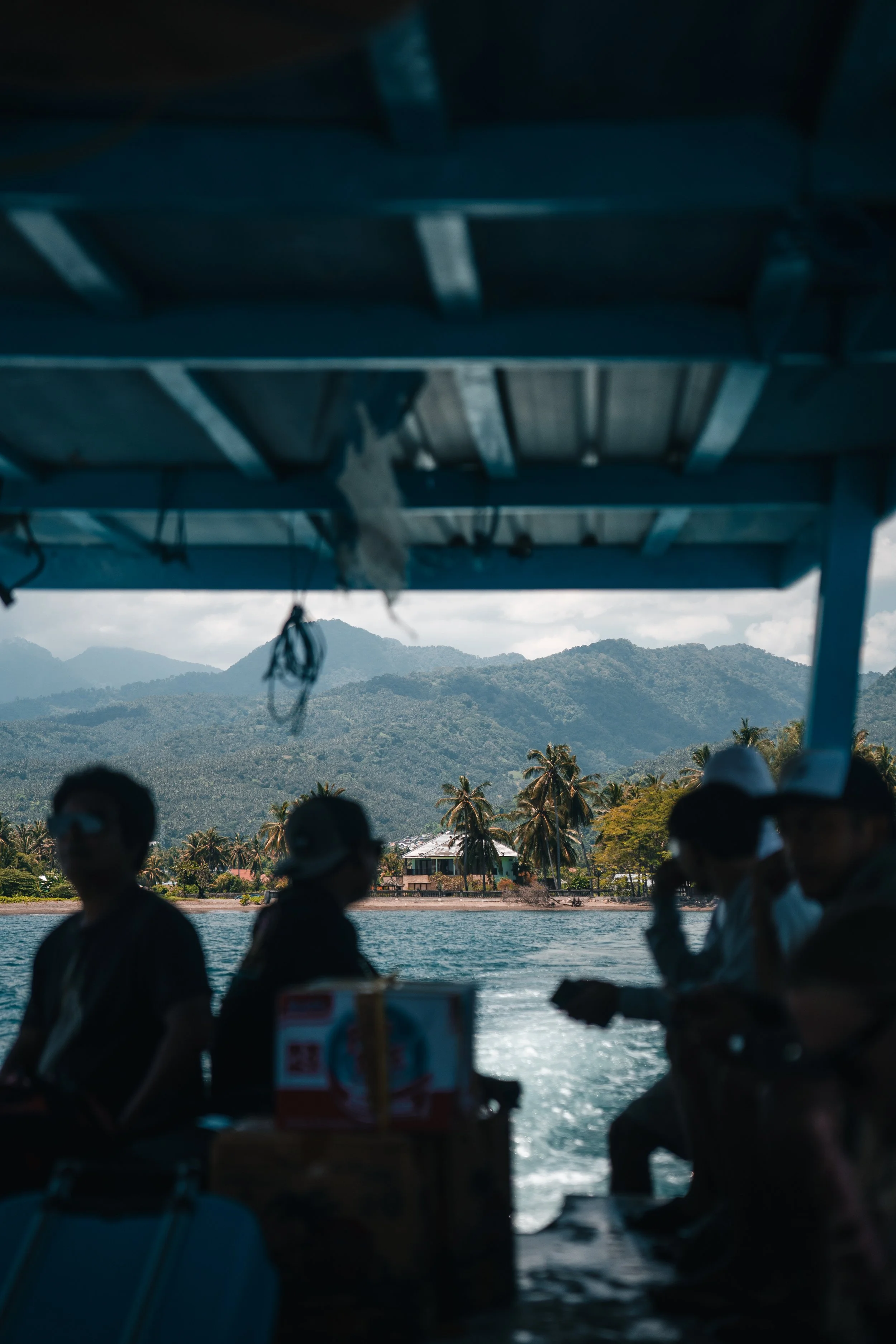
From Bali, fast boats regularly depart to Lombok. The journey usually takes a few hours, depending on sea conditions. There are also short domestic flights if you prefer a quicker and smoother option.
From Lombok, local boats leave from Bangsal Harbour to the Gili Islands. The crossing usually takes around 20 to 30 minutes.
Alternative route
Another great option is flying directly from Yogyakarta to Lombok first. From there, you can visit the Gili Islands and finish your trip in Bali. Many travellers like ending in Bali because it has the best international flight connections. This is the way I did it.
Tips for this route
Boat travel depends heavily on weather and sea conditions, especially during the rainy season. If you have limited time, flights are usually the safest choice. Flights can sell out or get very expensive in the weekends.
Travelling east from Java to Bali, Lombok and finally the Gilis feels like a natural progression. The trip gradually shifts from cultural exploration to beach relaxation.