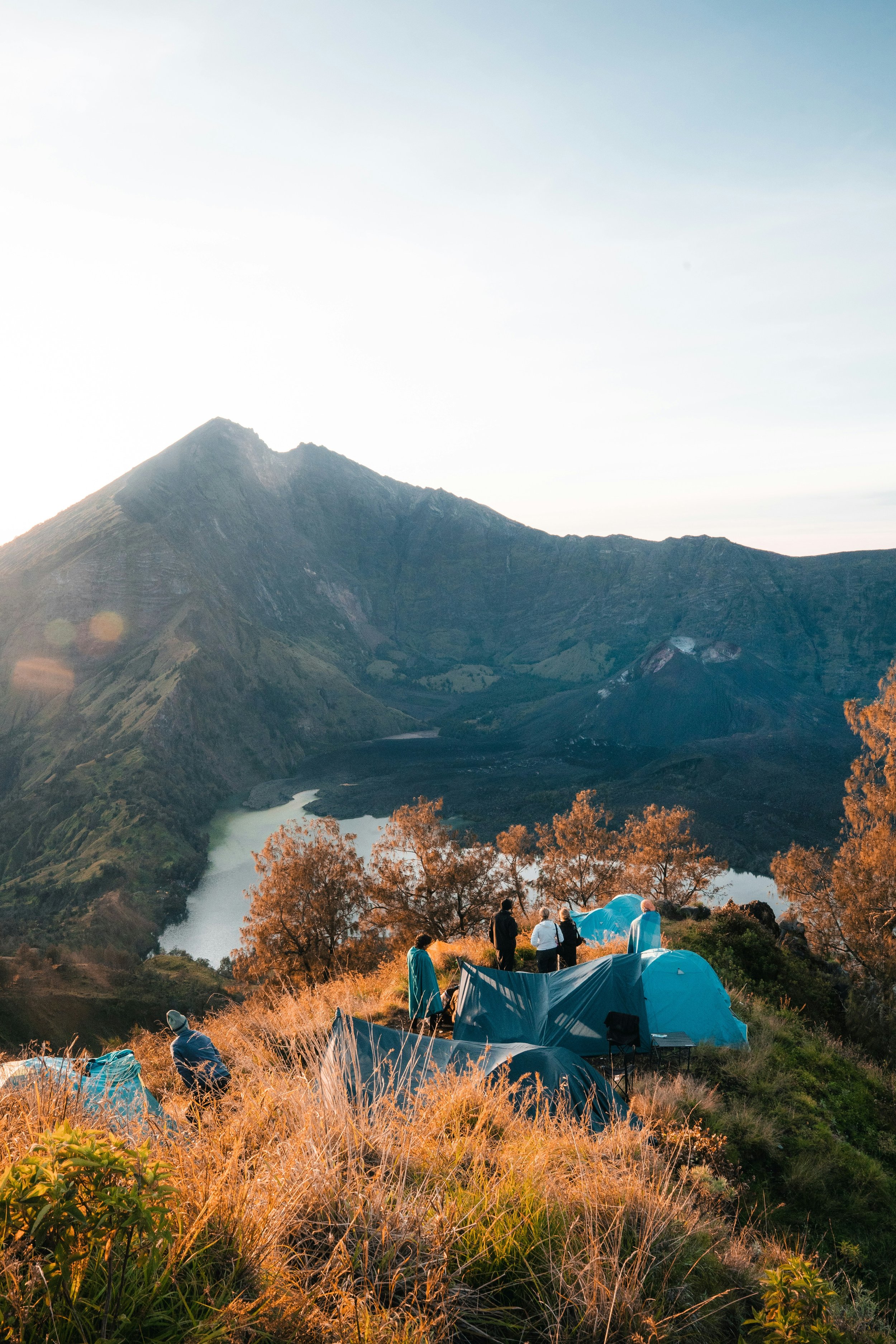
Indonesia > Mount Rinjani
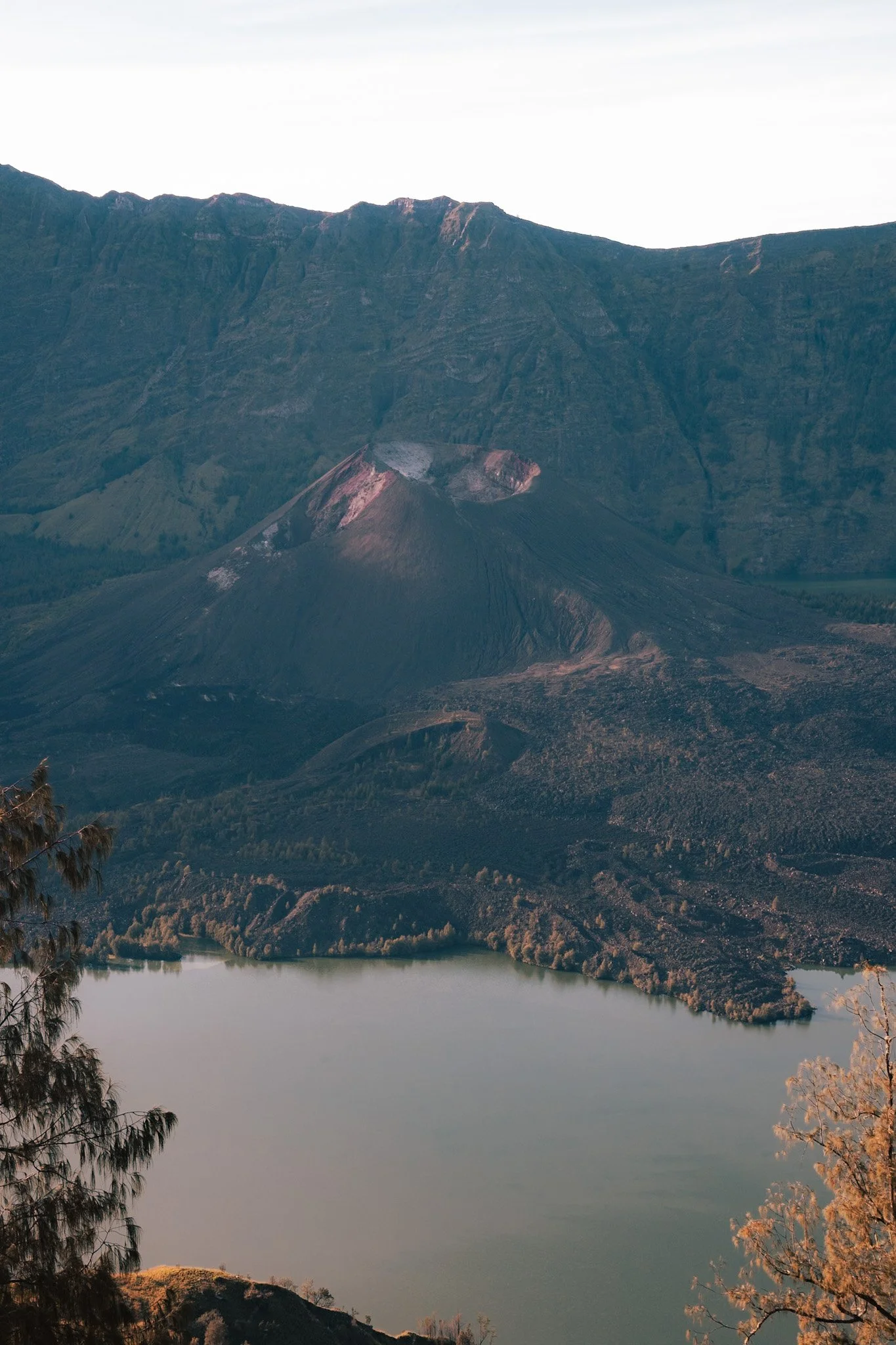
Mount Rinjani, Indonesia’s second-highest volcano, is popular for its stunning summit views, volcanic crater lake, and challenging trek that draws adventurers from around the world. Hiking Rinjani offers a rewarding physical challenge, breathtaking sunrises, diverse landscapes, and a glimpse into local Sasak culture. It's a must-do for nature lovers seeking an unforgettable experience in Indonesia.
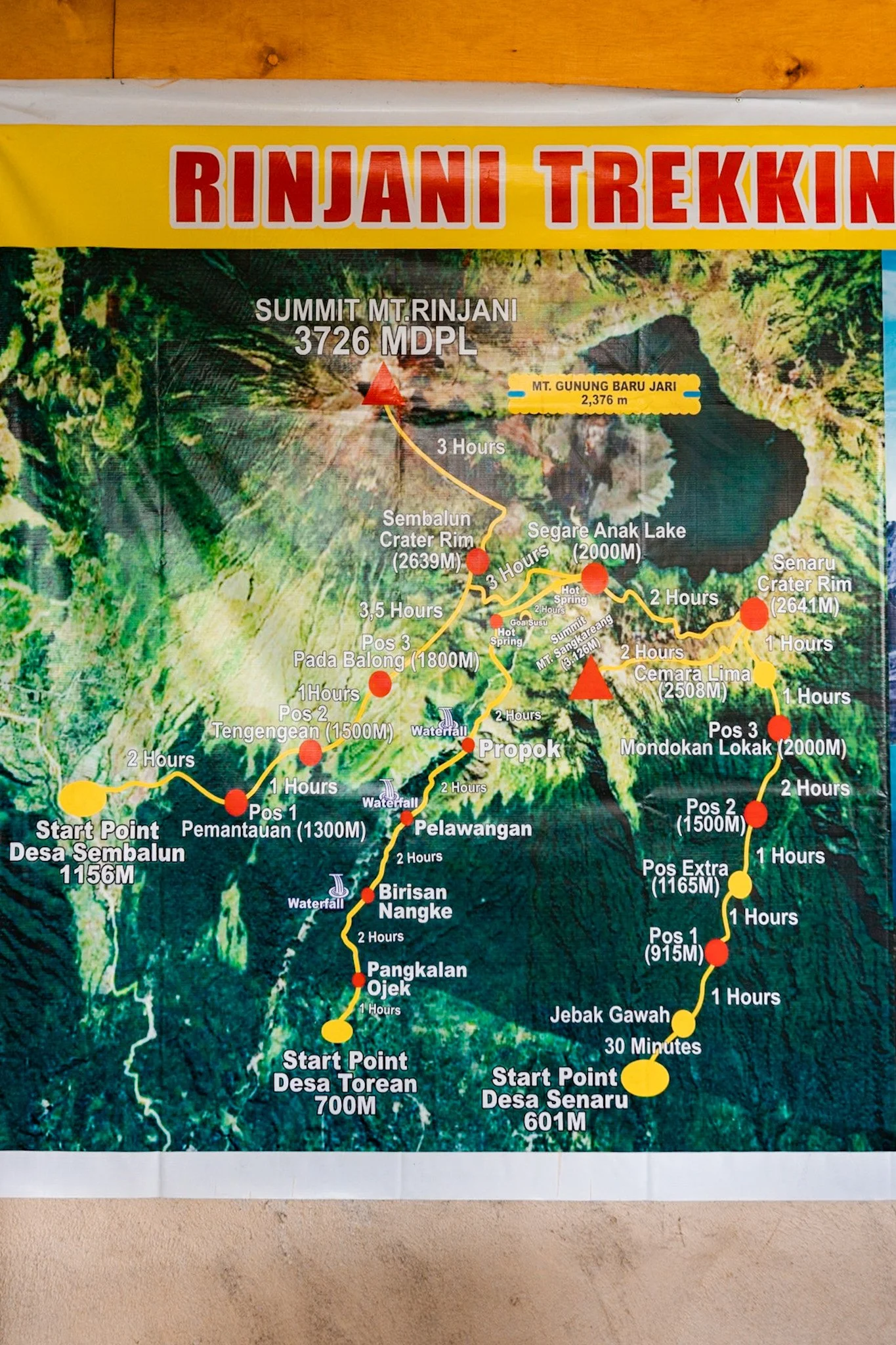
There are several ways to hike Mount Rinjani, each offering a different experience. The two main starting points are Senaru and Sembalun.
Sembalun is the most popular starting point for summiting Mount Rinjani, as it begins at a higher elevation—around 1,100 meters—making the ascent to the peak shorter but steeper. This route offers expansive savanna landscapes, direct access to the summit, and breathtaking sunrise views from the top.
Popular itineraries from Sembalun include a 2-day/1-night trek, which goes from Sembalun to the summit and back, and a more extensive 3-day/2-night route, which continues from the summit down to the crater lake and ends in Senaru (or returns via the same path).
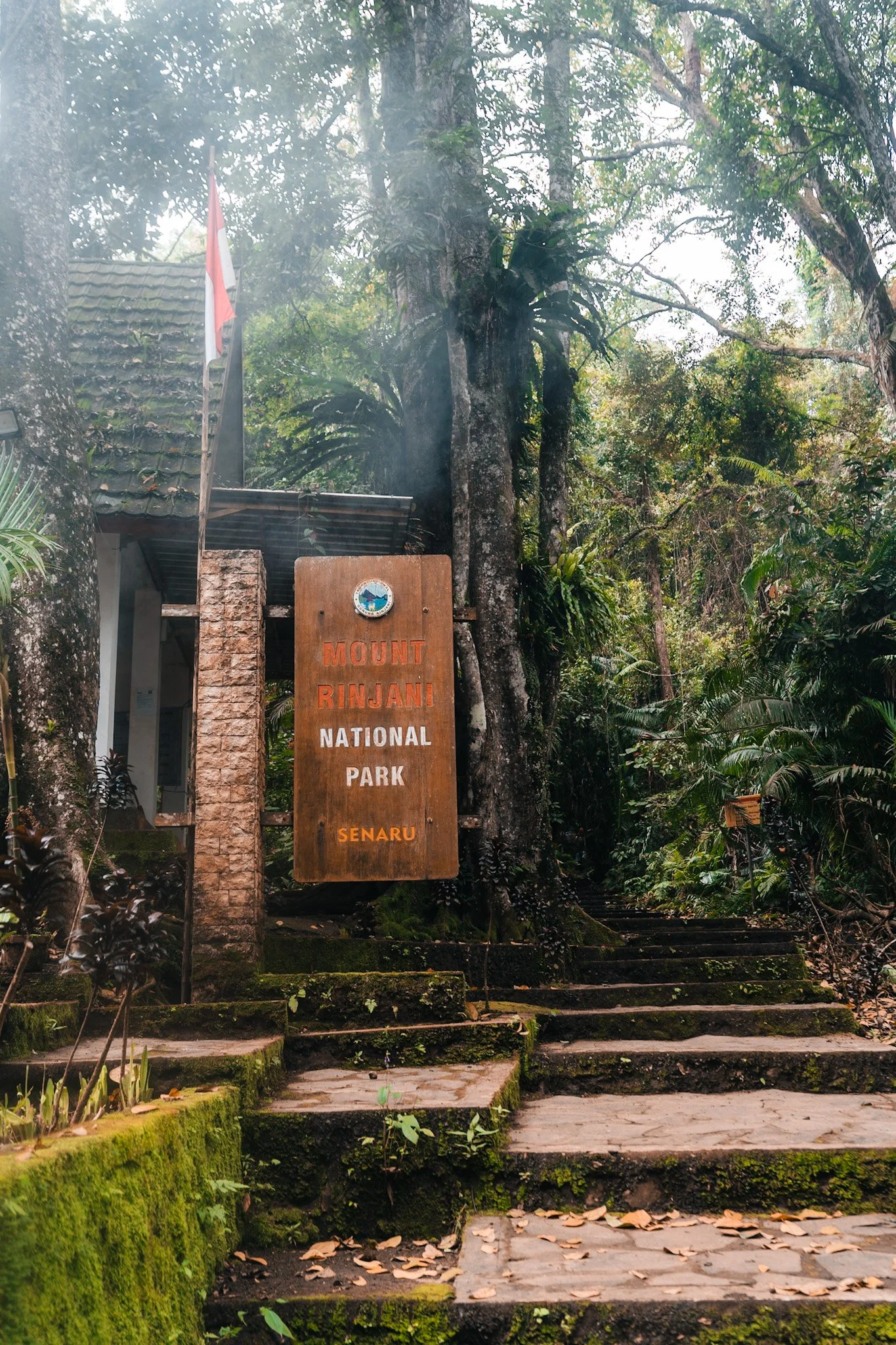
Senaru is a great choice for those more interested in the scenic aspects of Mount Rinjani, such as the crater lake and nearby waterfalls. Starting at around 600 meters above sea level, this route involves a longer but more gradual ascent through lush, shaded rainforest trails. It’s ideal for trekkers who prefer a more immersive nature experience over a direct summit push.
Highlights of the Senaru route include the beautiful Sendang Gile and Tiu Kelep waterfalls, panoramic views from the crater rim, and serene moments by the crater lake.
Popular itineraries from Senaru include a 2-day/1-night trek to the crater rim and back, or a longer 3-day/2-night or 4-day/3-night trek that continues to the lake, the summit, and ends in Sembalun—or follows the reverse route.
Treks range from 2-day summit climbs to multi-day adventures that include the summit, crater lake (Segara Anak), and hot springs. Guided tours are recommended and often include porters, meals, and camping gear.
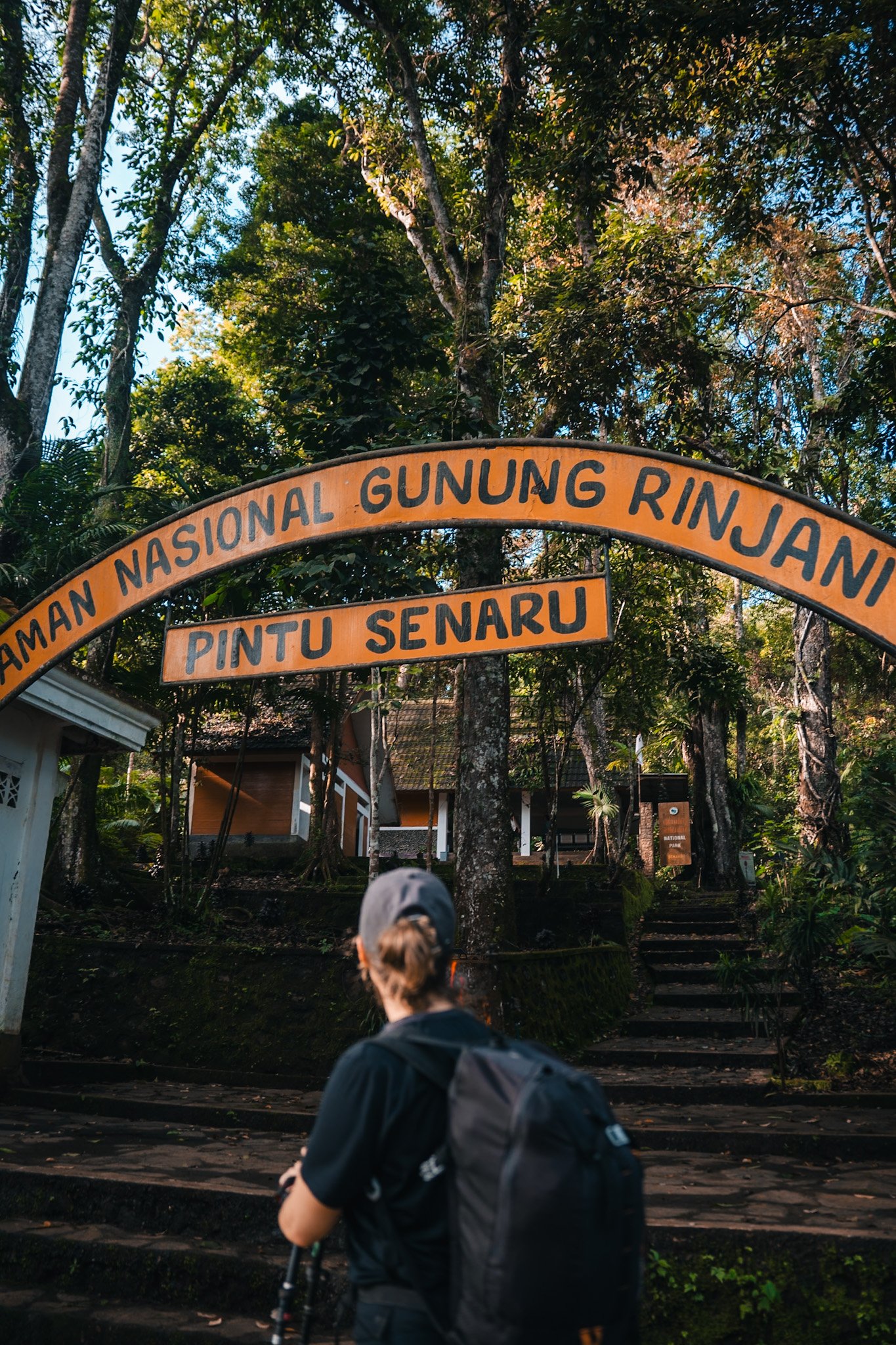
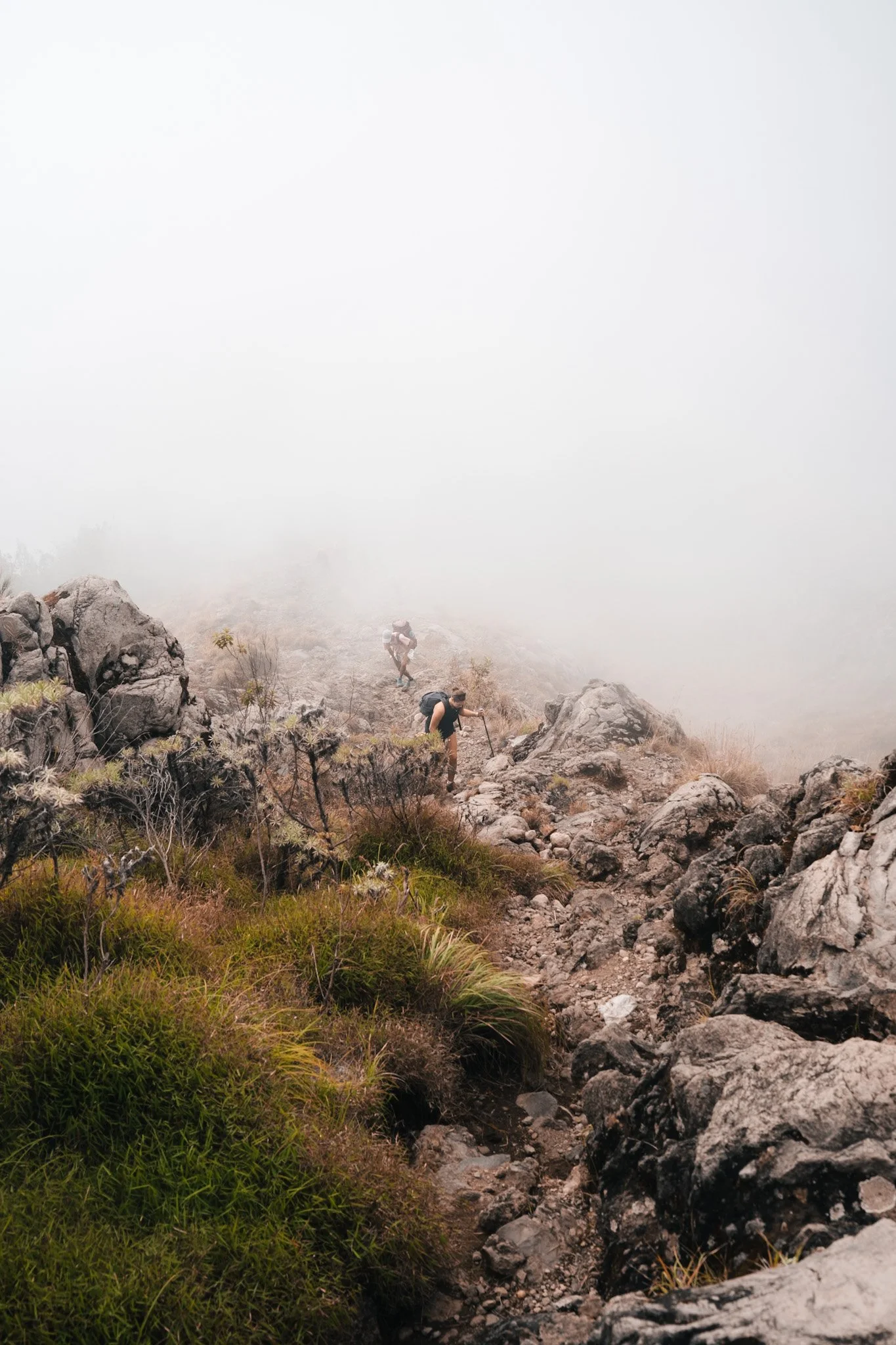
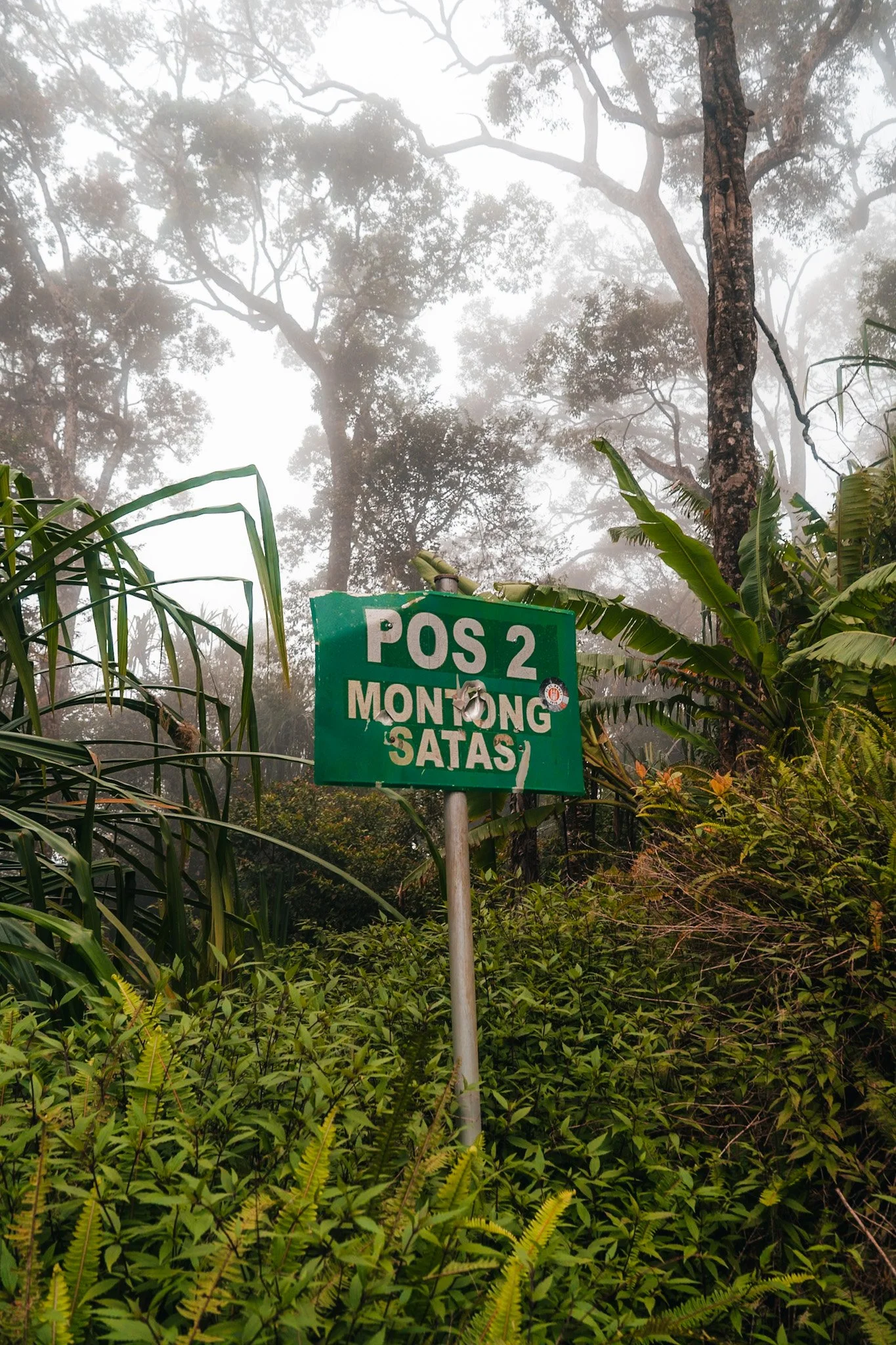
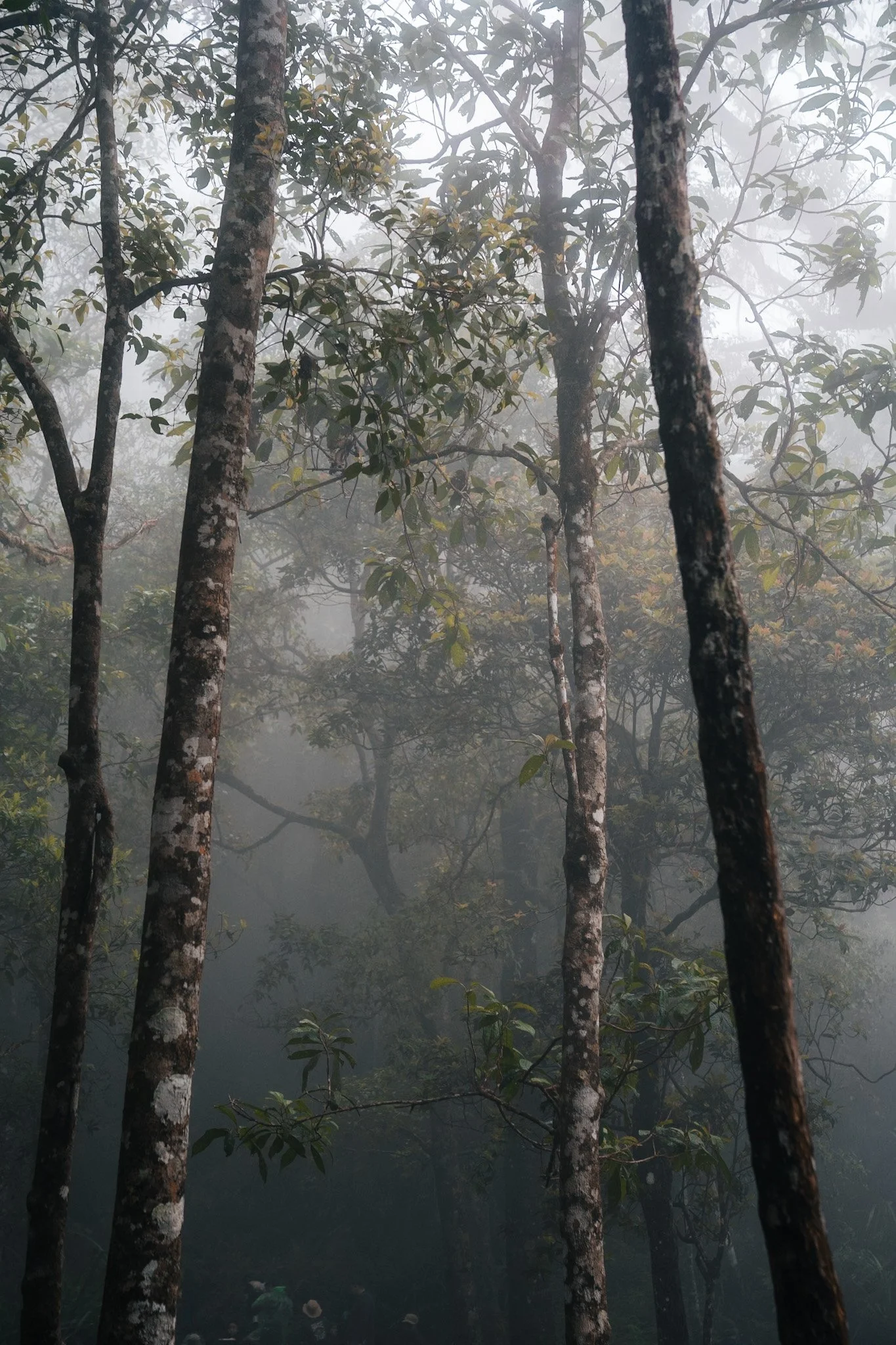
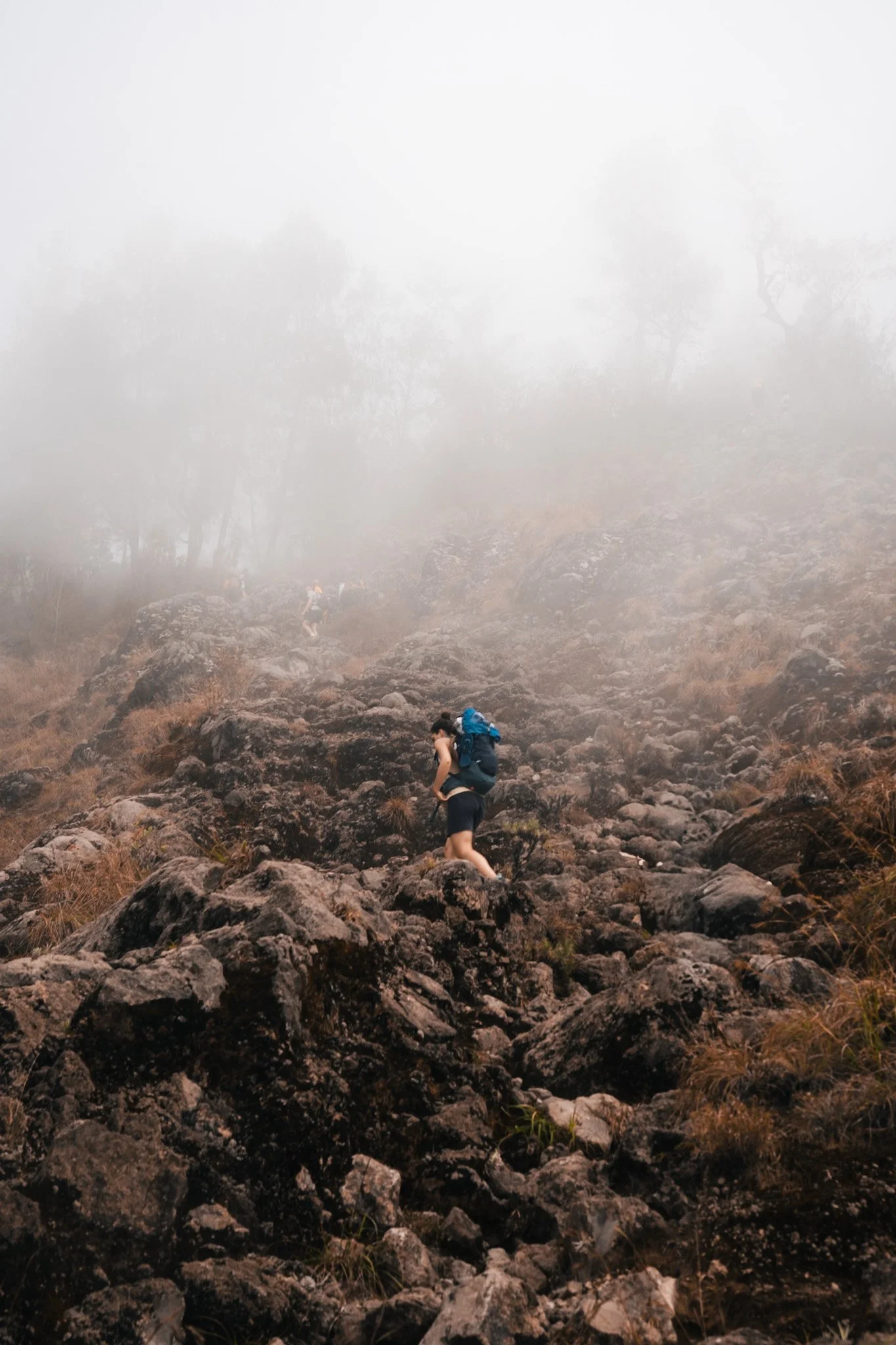
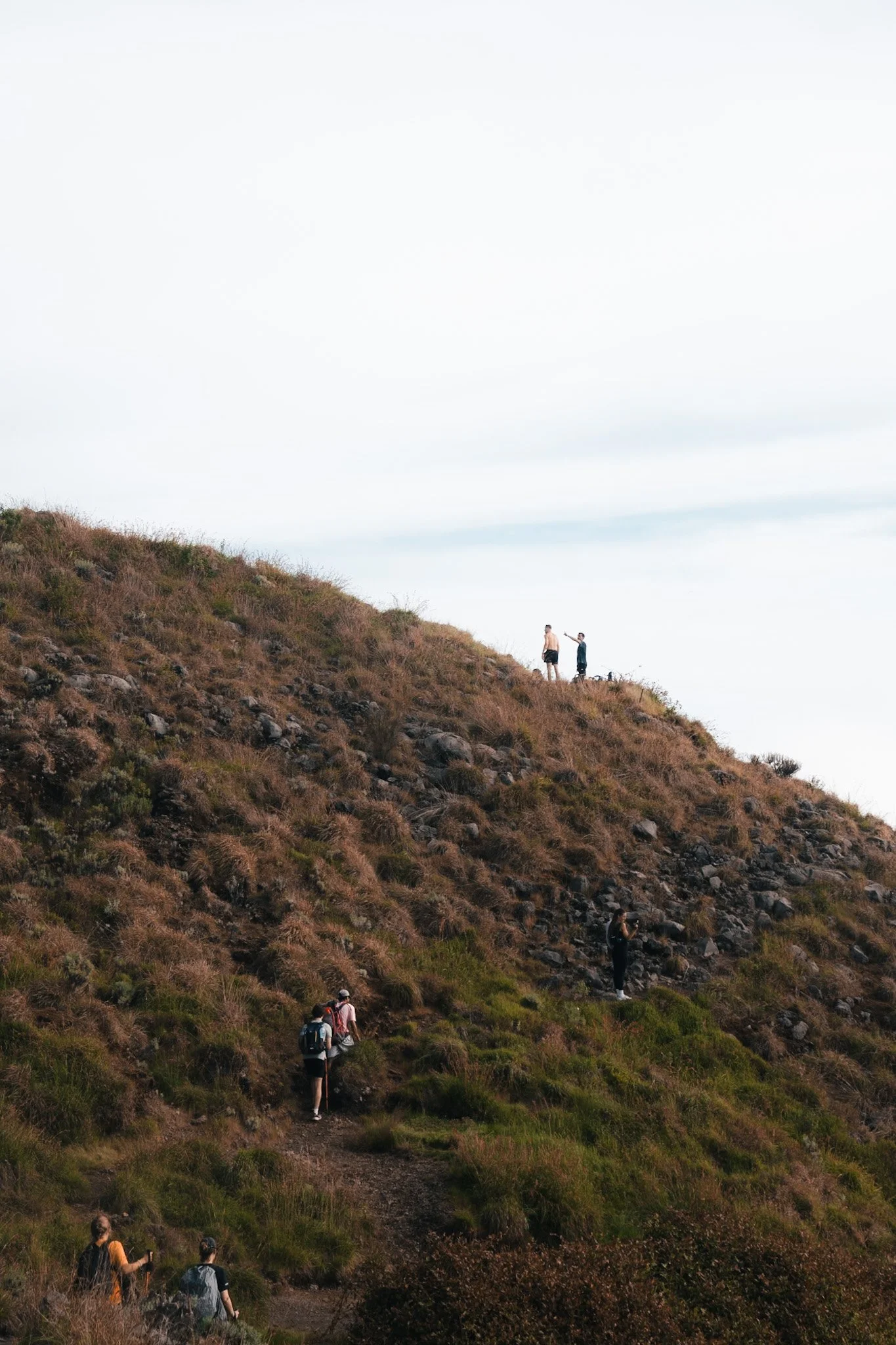
We did the hike from Senaru include a 2-day/1-night trek.
Day 1: Senaru to Crater Rim Camp
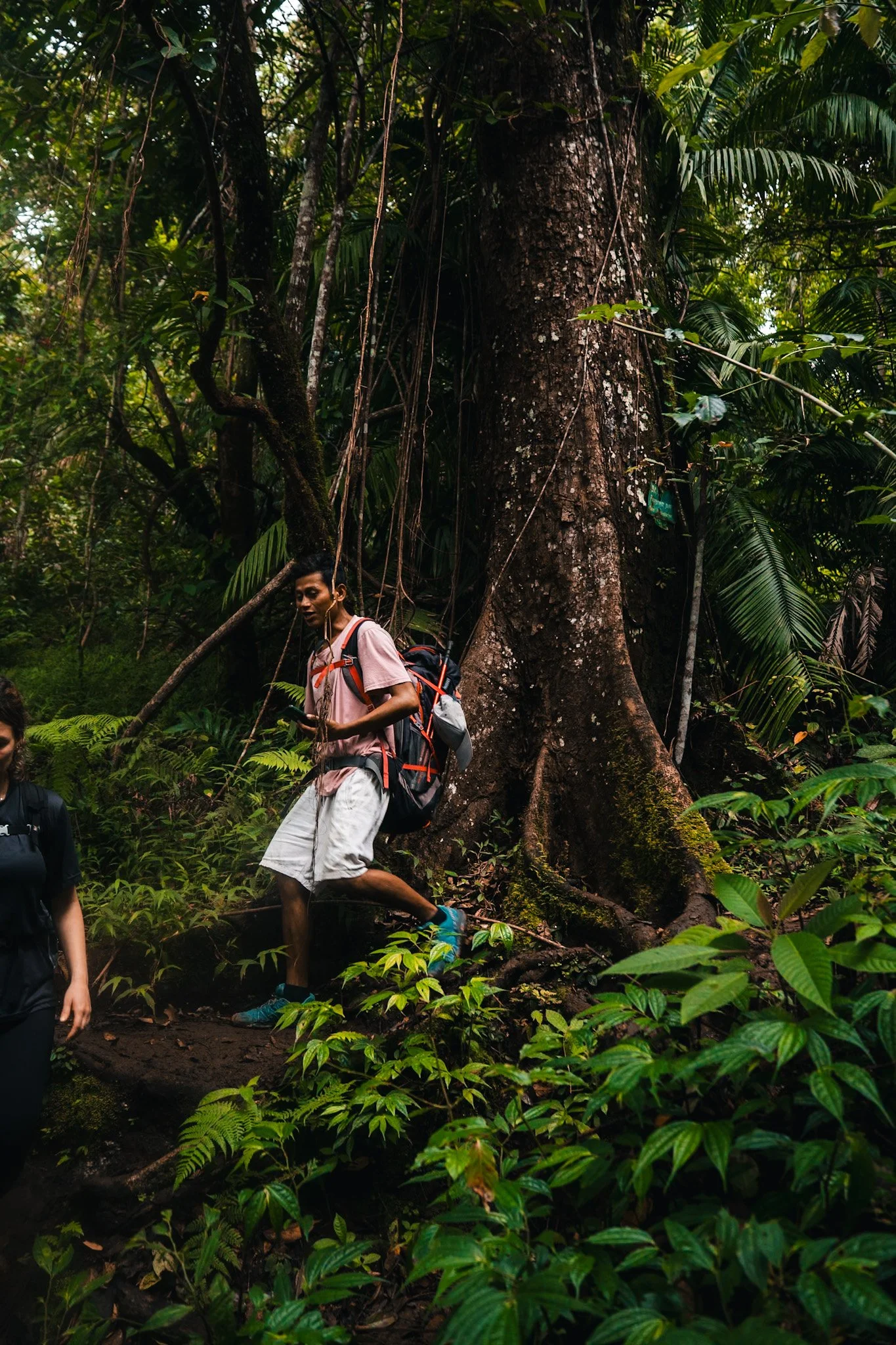
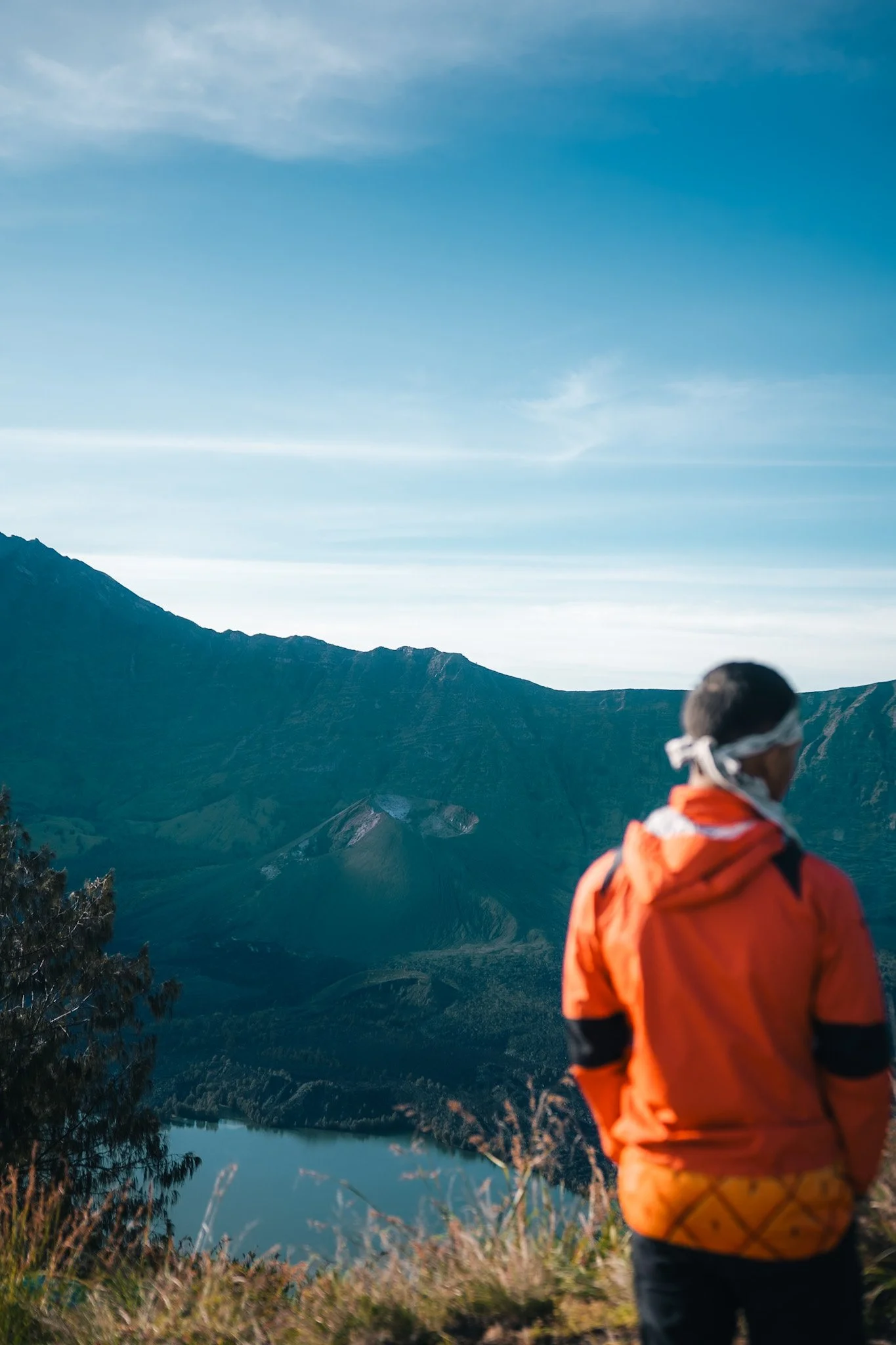
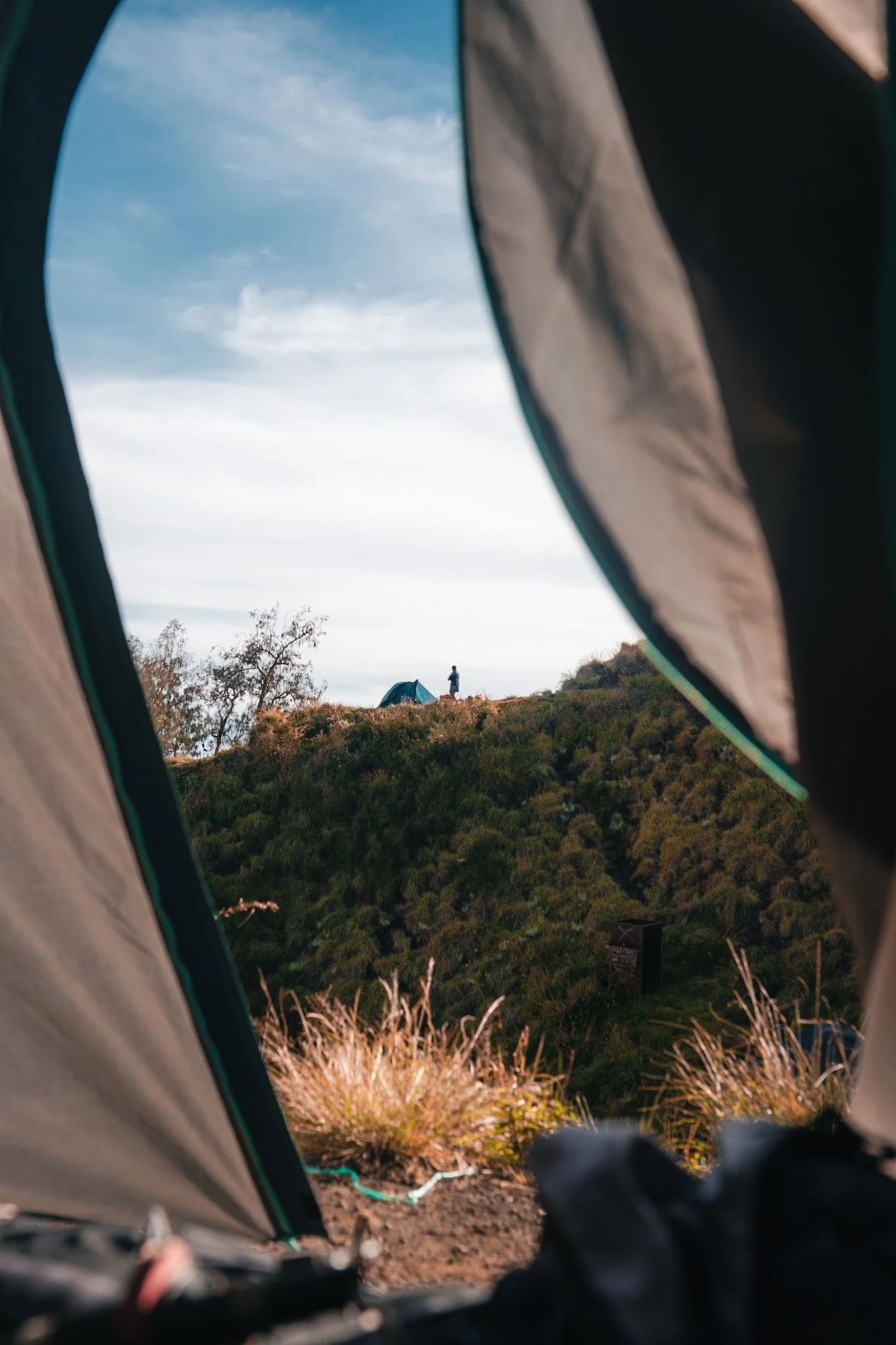
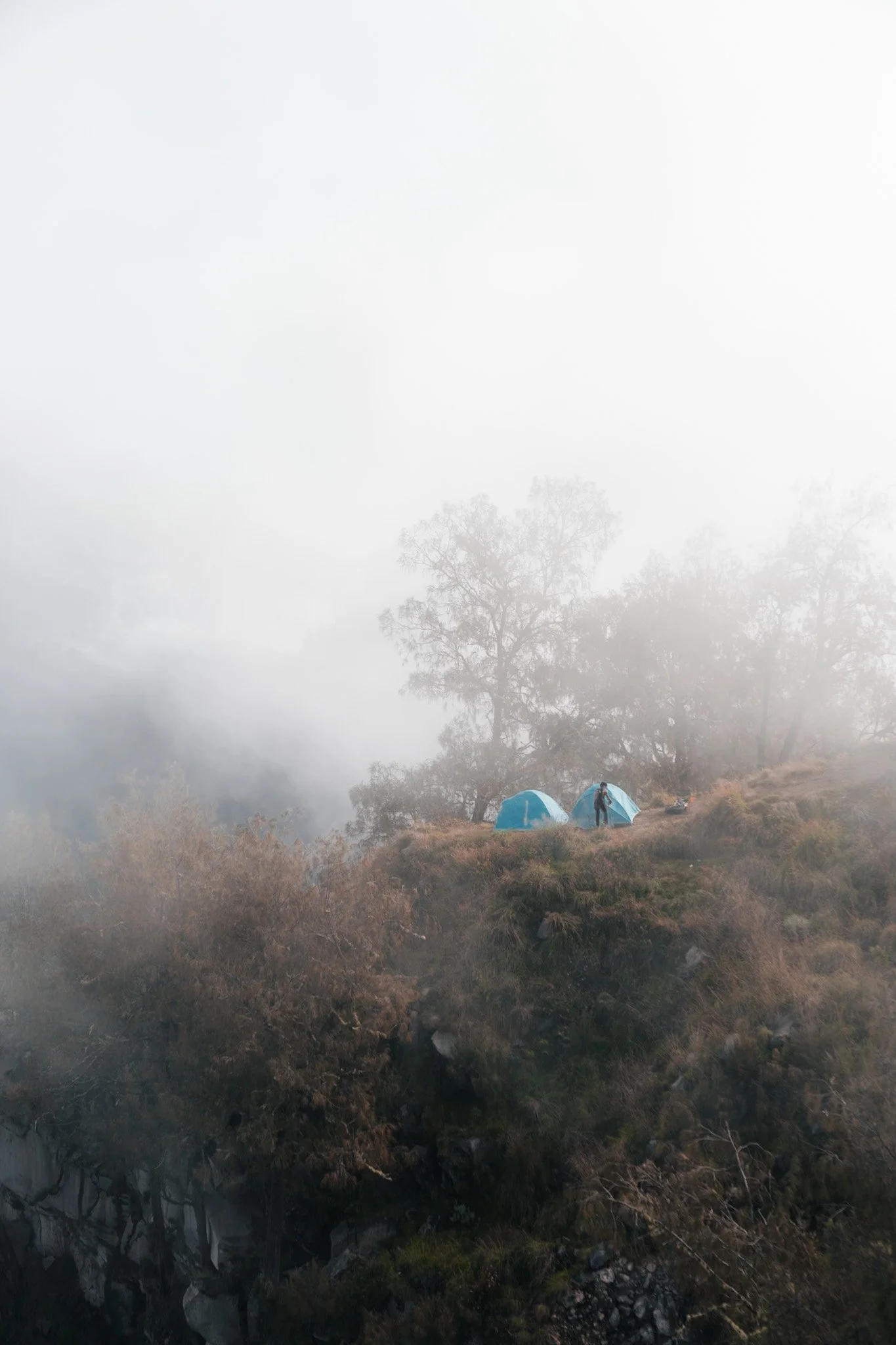
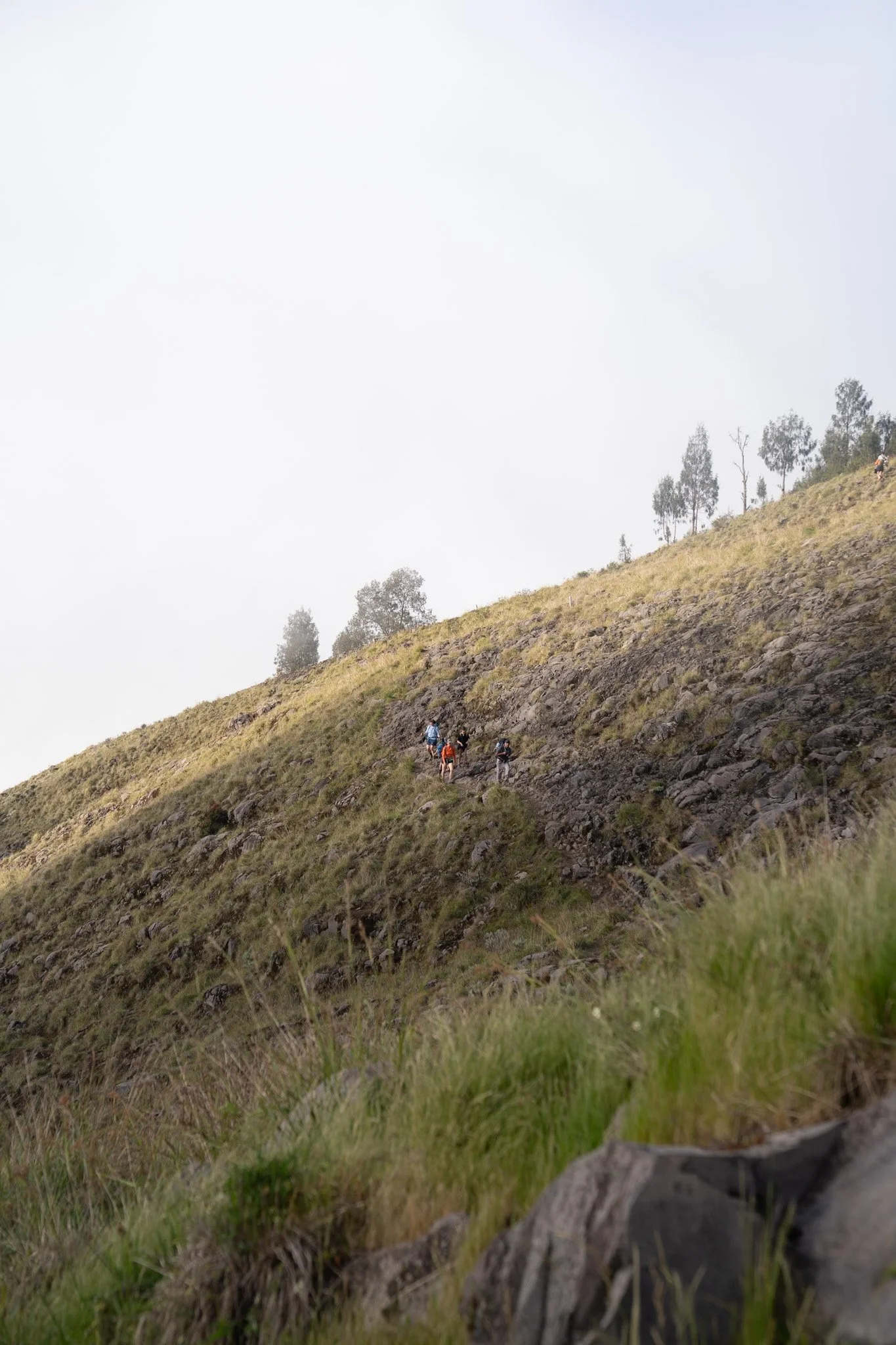
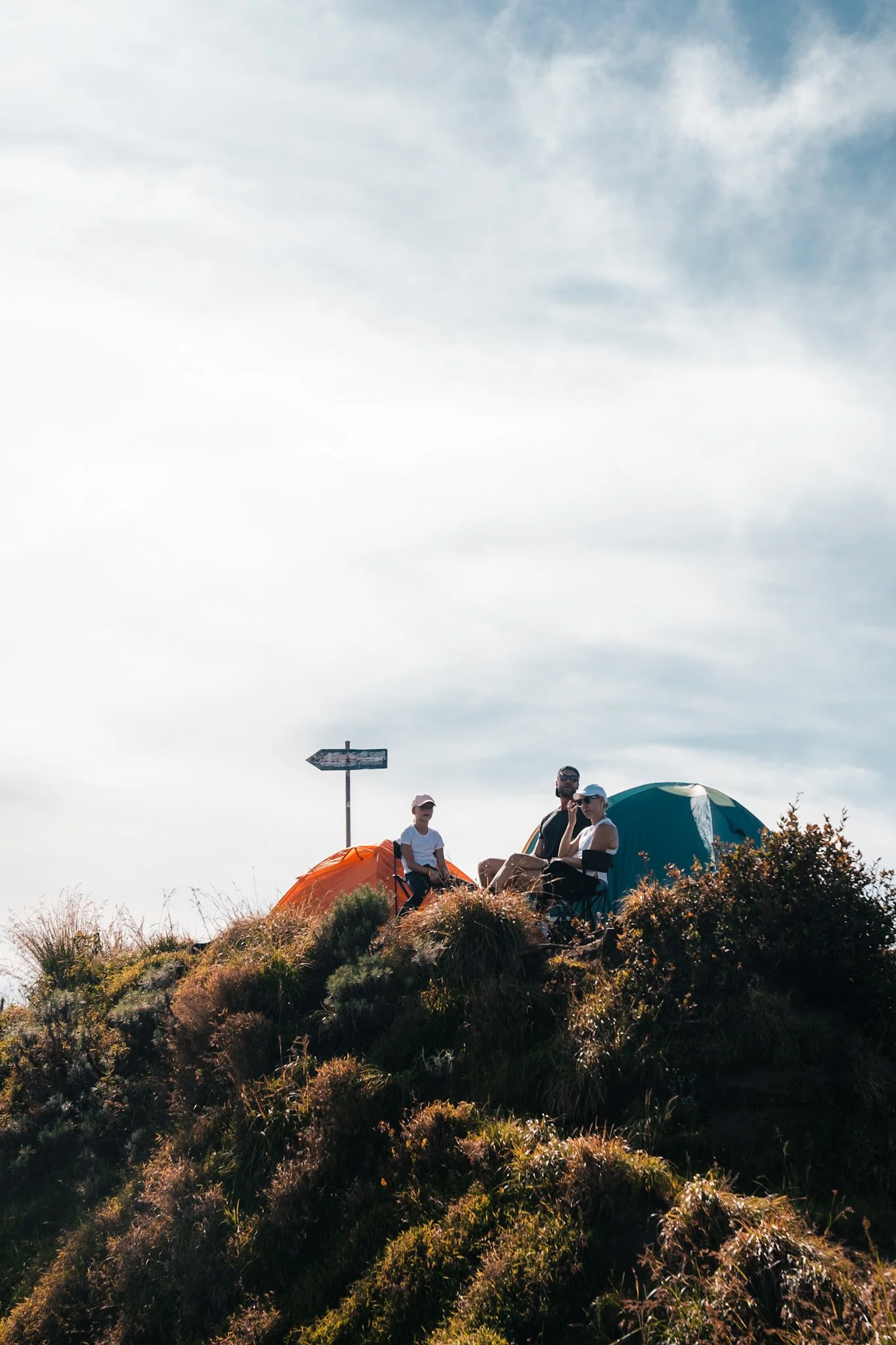
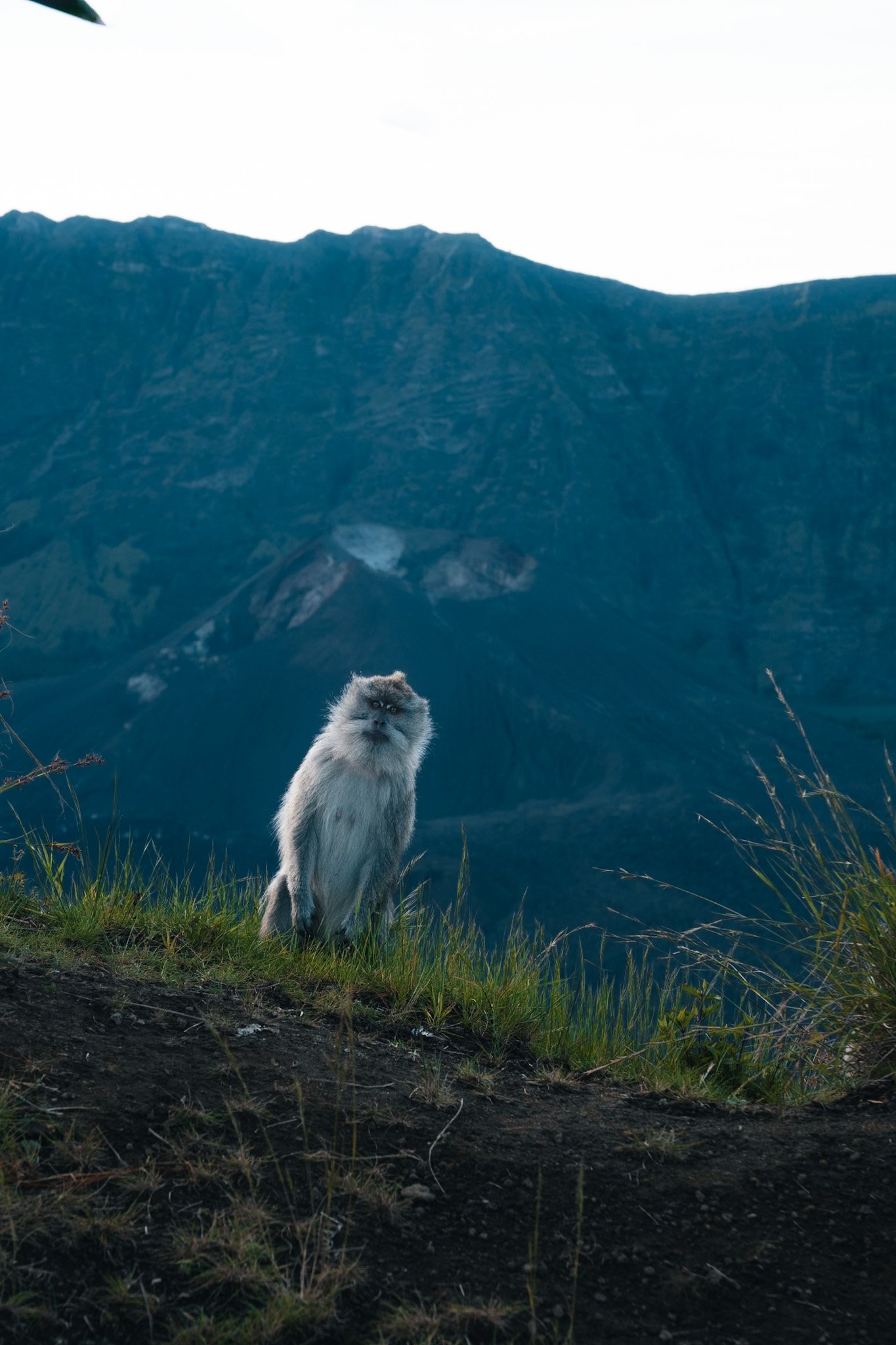
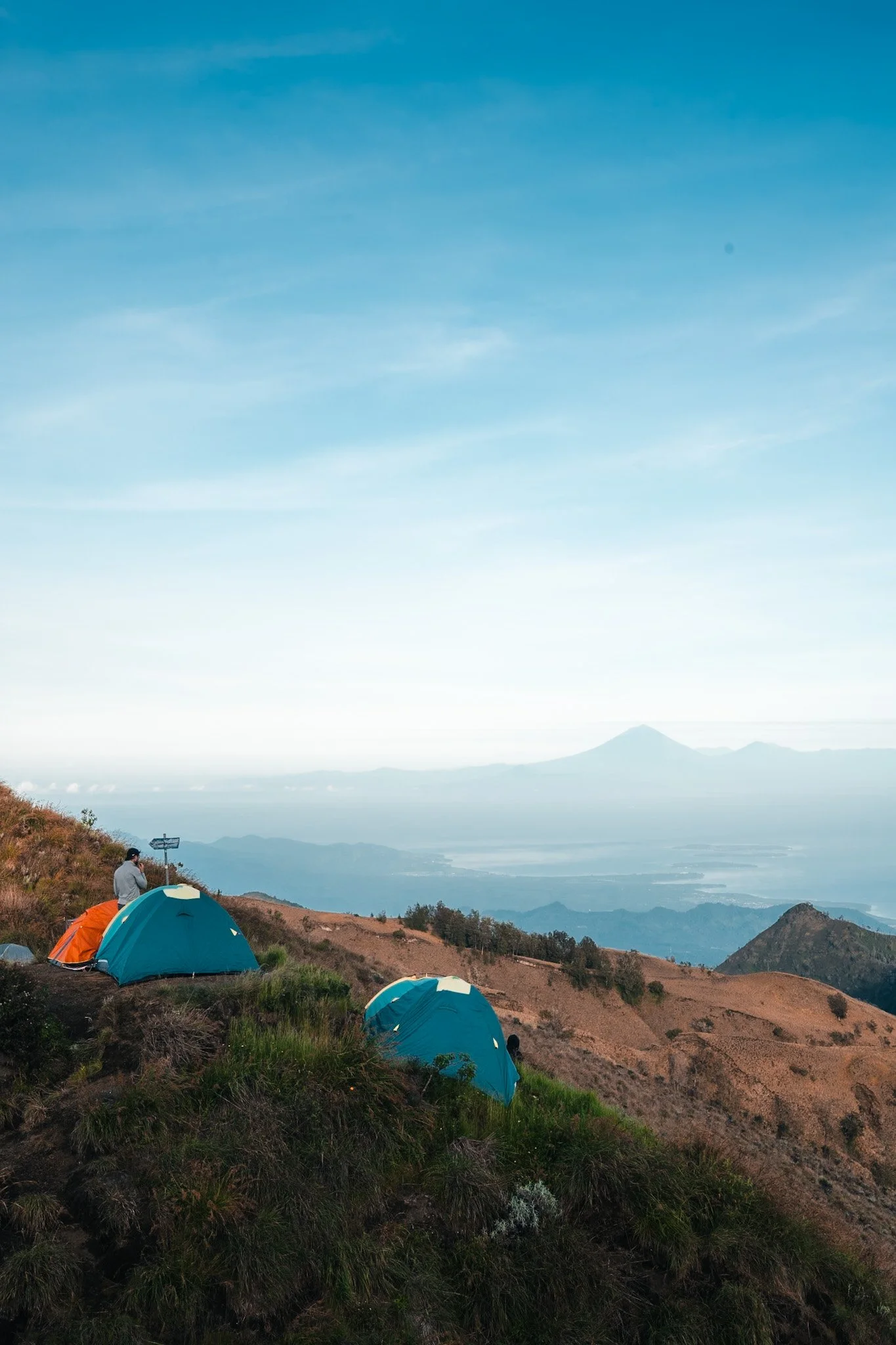
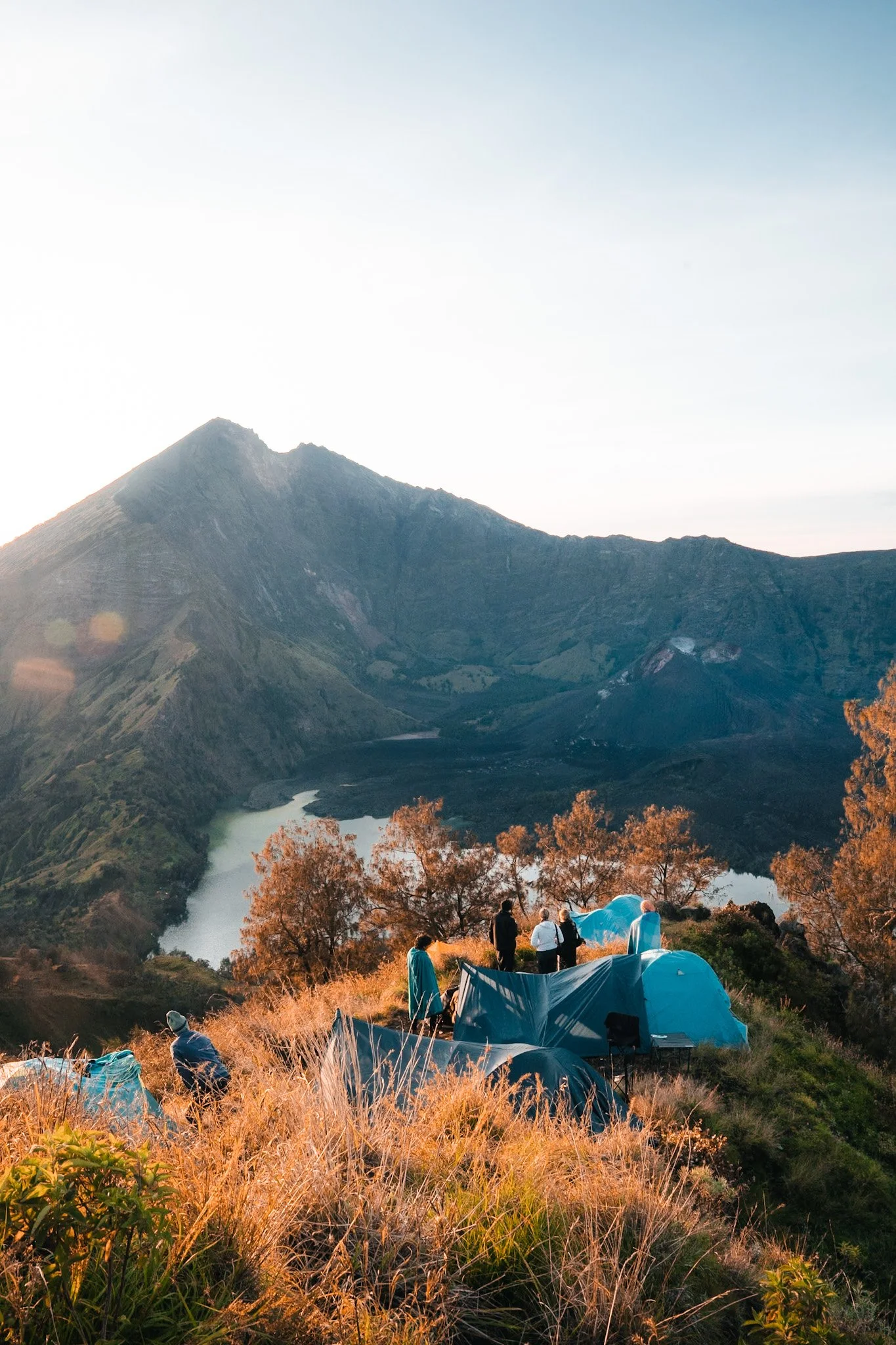
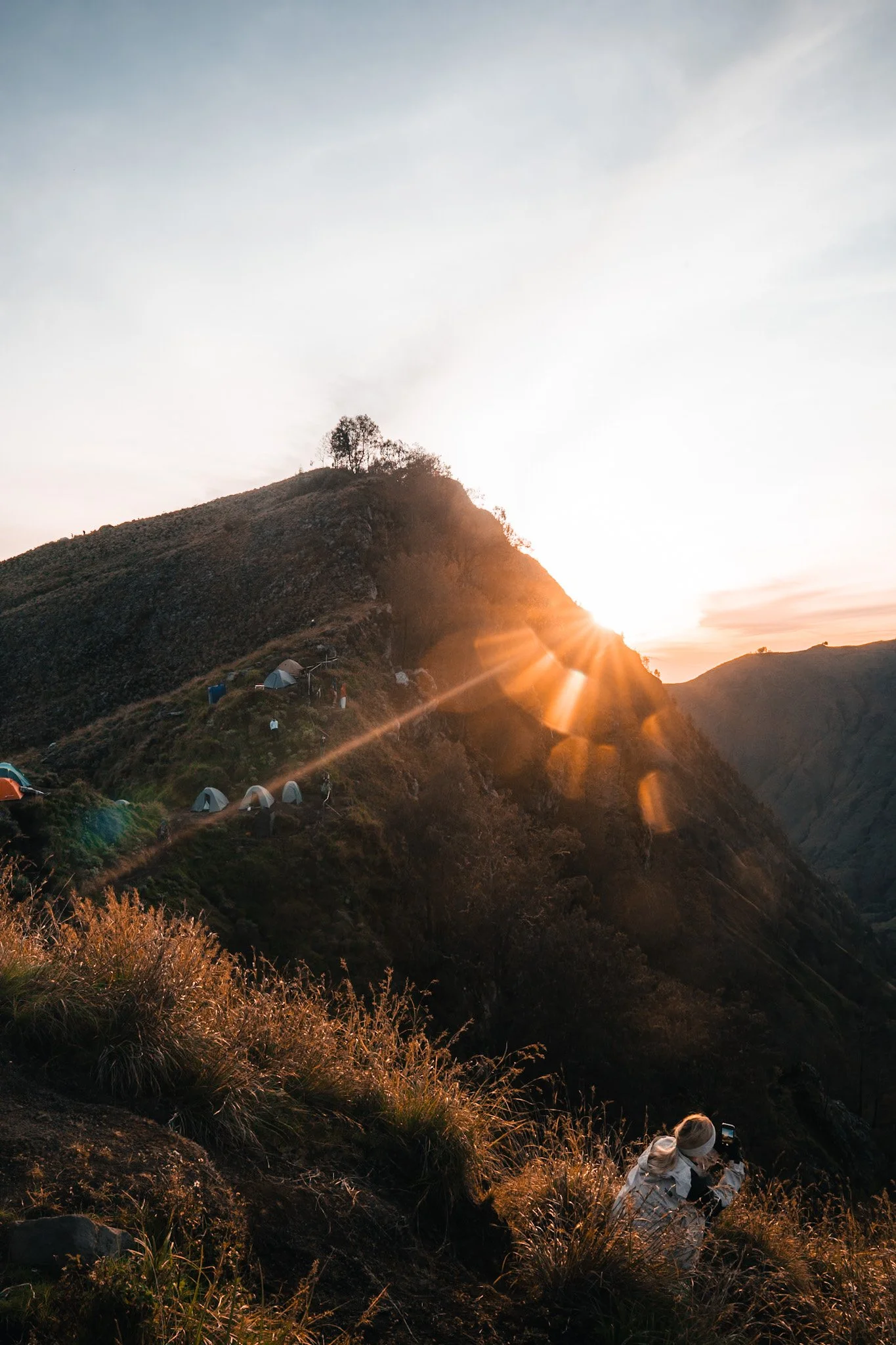
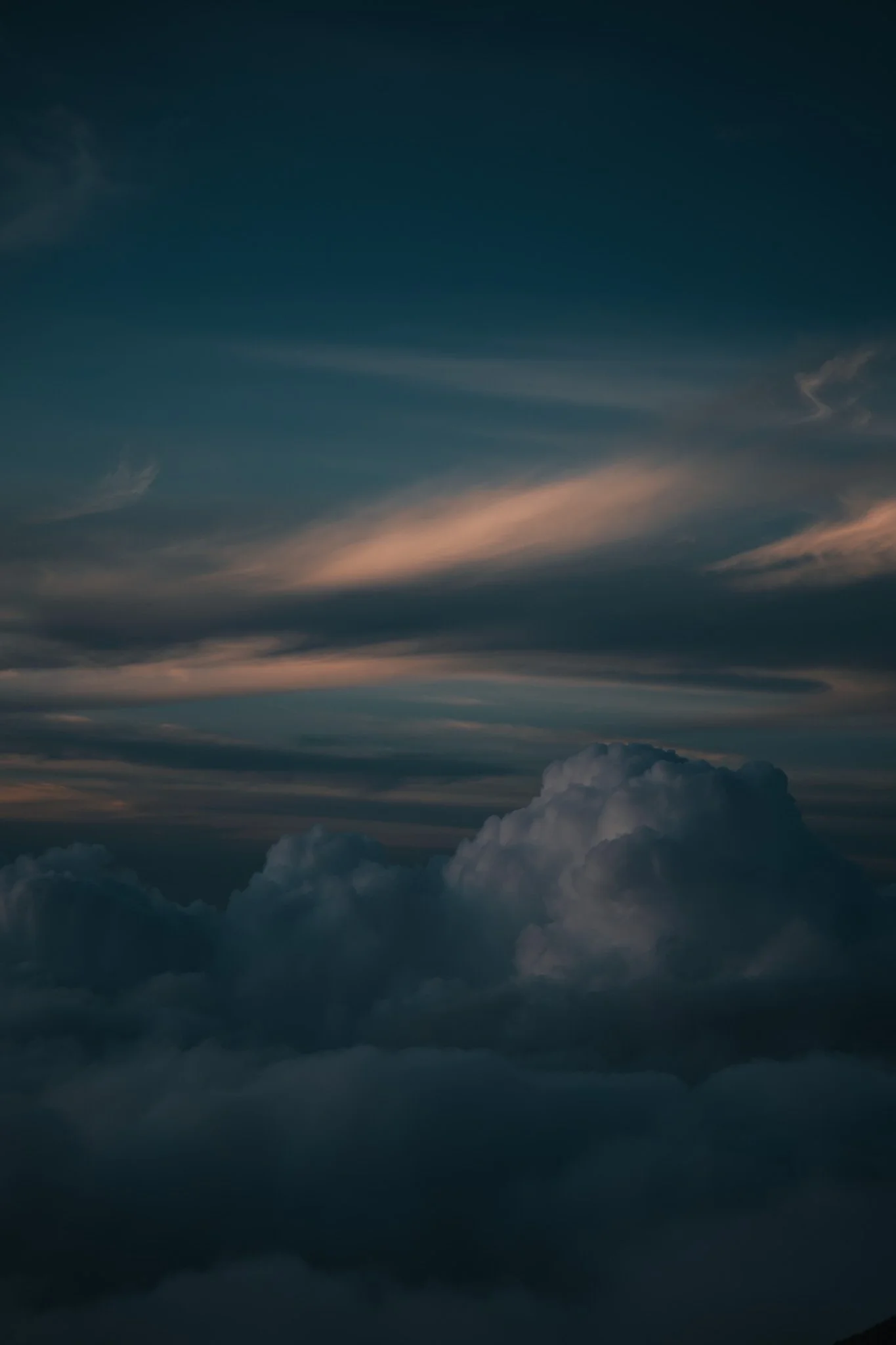
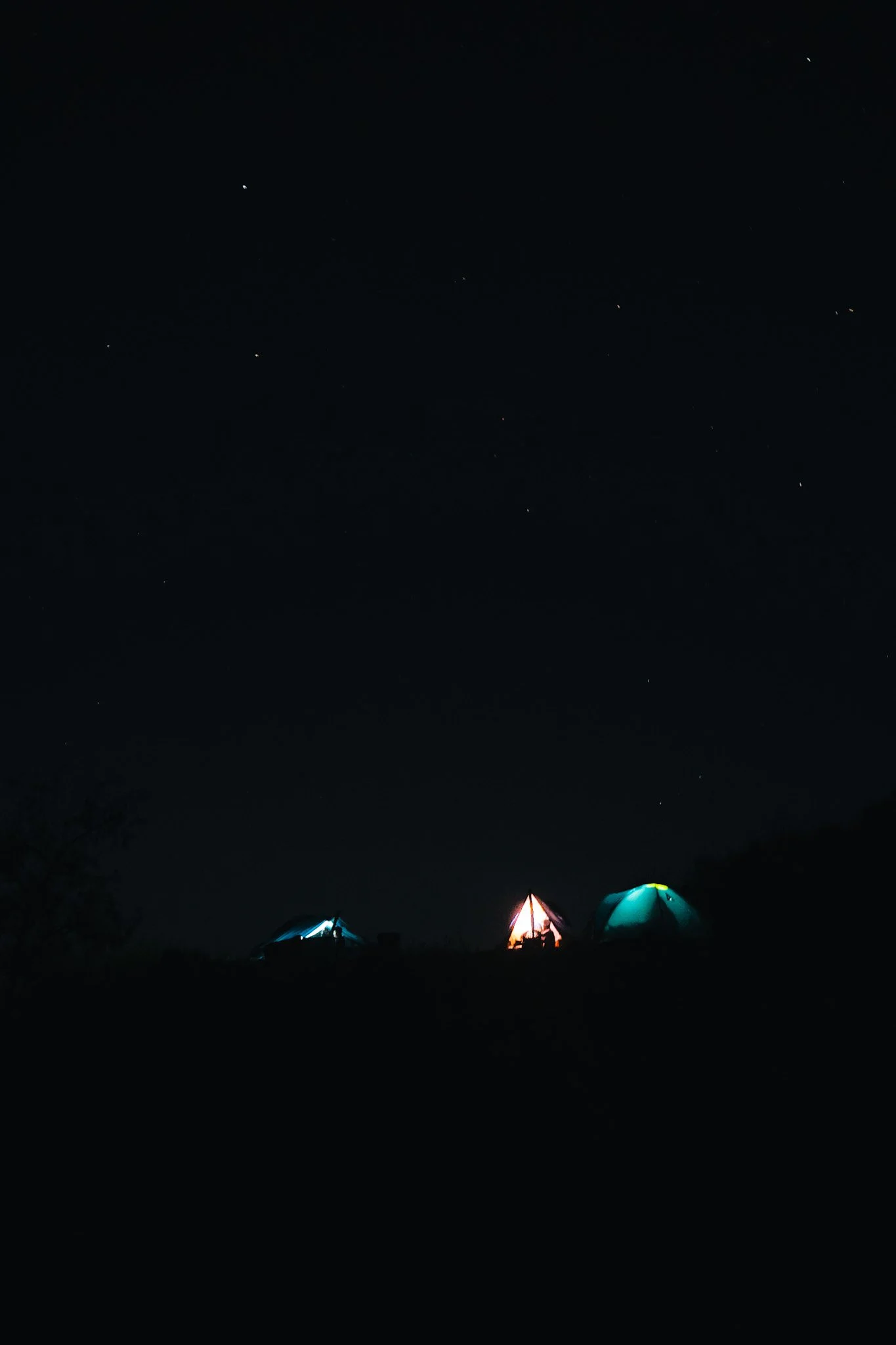
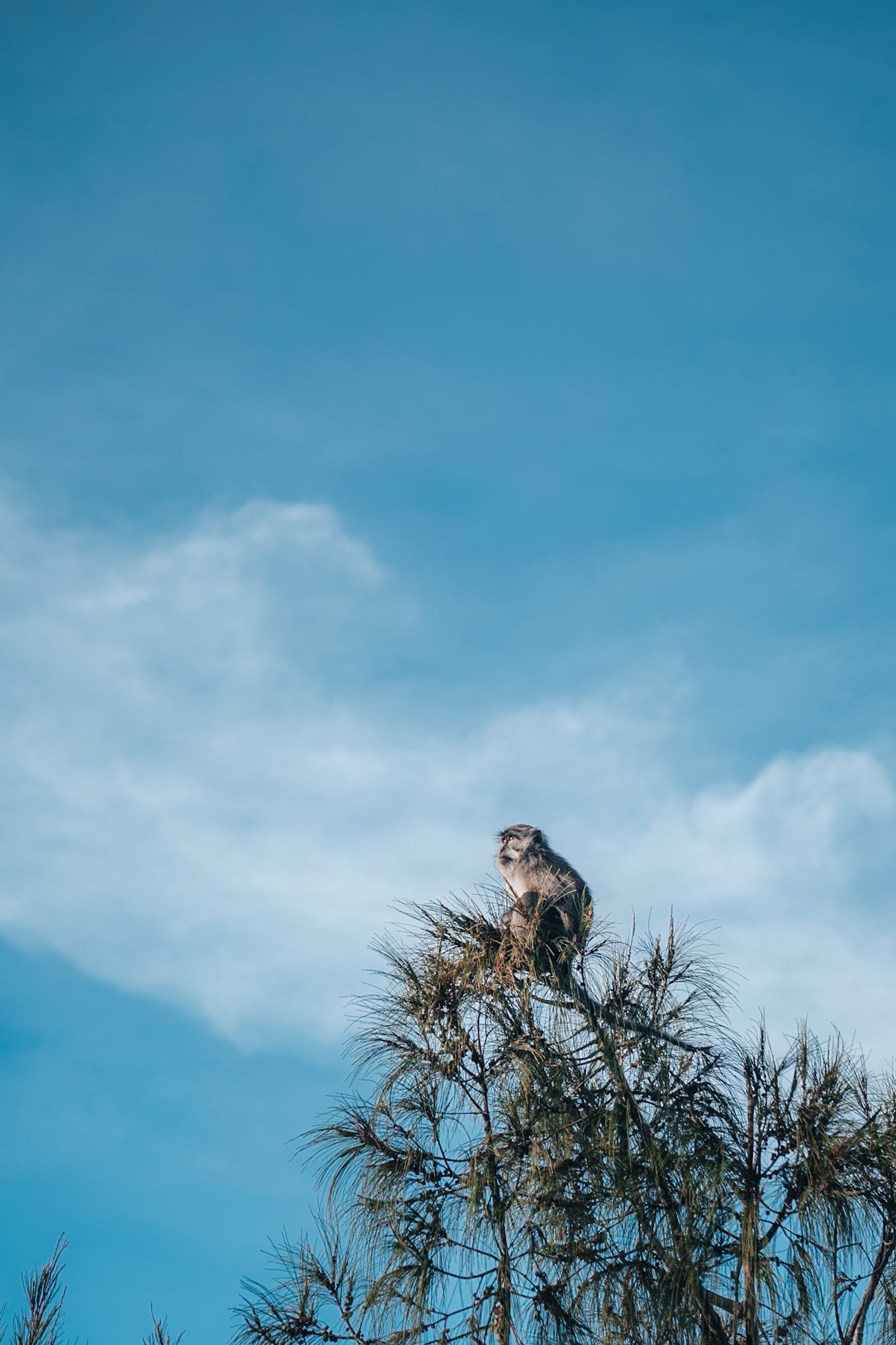
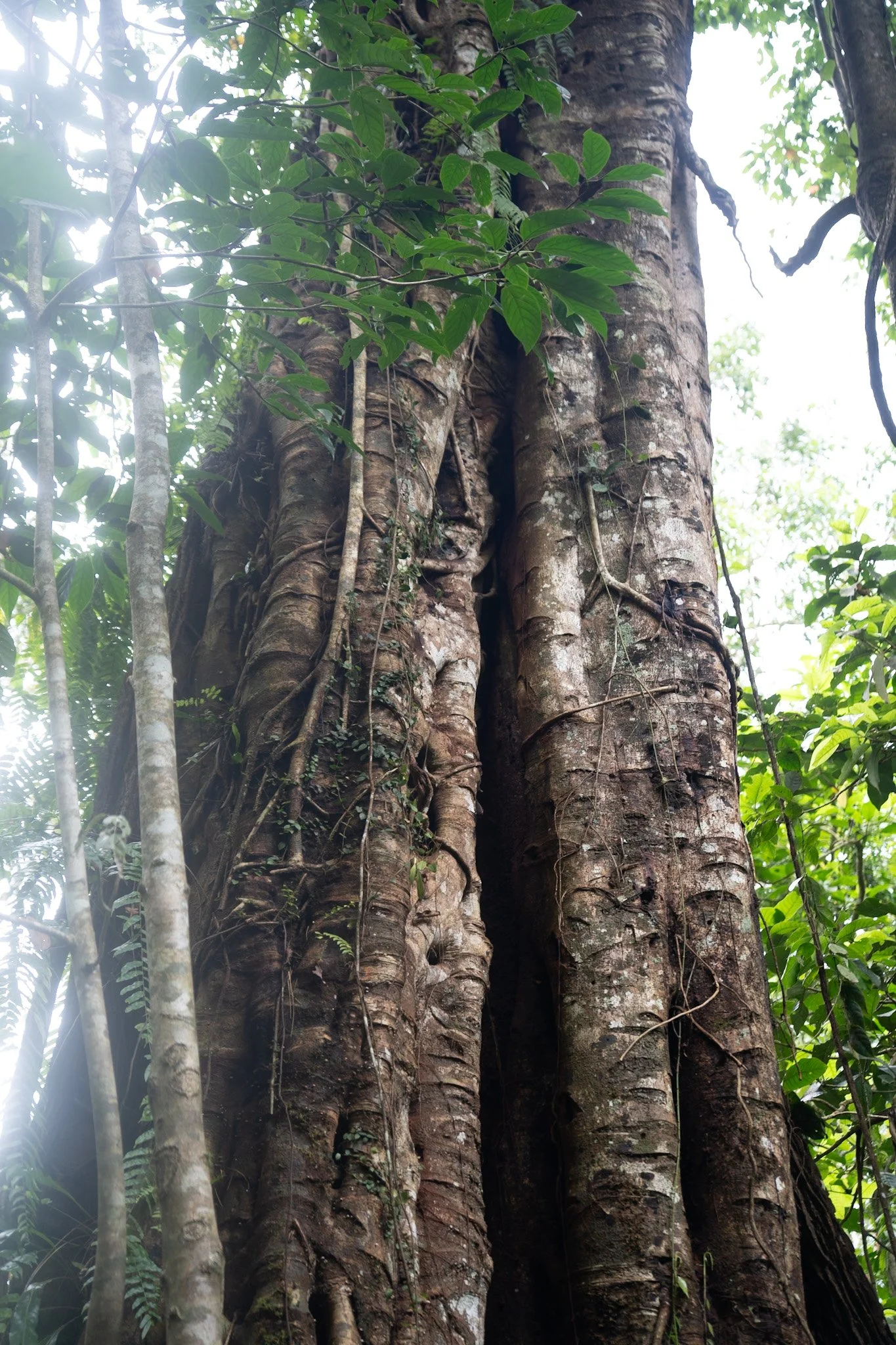
The trek begins early in the morning from Senaru village, located at an elevation of around 600 meters. The trail leads through dense tropical rainforest, offering shaded paths and a chance to spot local wildlife along the way. A lunch break is taken at a designated rest stop before continuing the steady ascent. By late afternoon, you’ll reach the Senaru Crater Rim at approximately 2,641 meters, where you'll set up camp. From here, enjoy breathtaking sunset views over the crater lake and the towering summit of Mount Rinjani. In the distance, you see Bali with Mount Agung and the three little dots are the Gili Islands. Dinner is served at the campsite, followed by an overnight stay under the stars.
Day 2: Crater Rim to Senaru
Wake up early to catch the sunrise casting golden light over the crater and lake. After breakfast, begin your descent back through the rainforest, retracing your steps down the mountain. You'll pause for lunch along the way and arrive back in Senaru village by mid to late afternoon, completing the two-day trek.
General Information: Mount Rinjani Trek
Trekking Season
Mount Rinjani lies within Rinjani National Park, which is open to trekkers from April to January. The park closes during the rainy season (February–March) due to safety risks such as landslides and slippery trails. It reopens each year on April 1st, and demand is high—so it’s important to book your trek well in advance. The number of hikers allowed in the park each day is limited, and permits to access the summit can sell out quickly. Planning ahead ensures you don’t miss out on this unforgettable experience.
Permit & Guide Requirement
All trekkers must book their hike through a licensed agency, as hiring guides and porters is mandatory. Independent trekking is no longer permitted, both to ensure your safety and to protect the environment.
Fitness Level
The hike is physically demanding, especially the summit climb. Trekkers should be in good physical condition, as the trail includes steep ascents, uneven terrain, and high altitudes.
Altitude and Acclimatization
The summit stands at 3,726 meters (12,224 ft). While altitude sickness is not common on the shorter routes, it can affect some people—especially during summit attempts. Acclimatize properly, stay hydrated, and listen to your guide.
What’s Included in most Guided Treks
Permits and park fees
Experienced guide and porters
Camping gear (tent, sleeping bag, mattress)
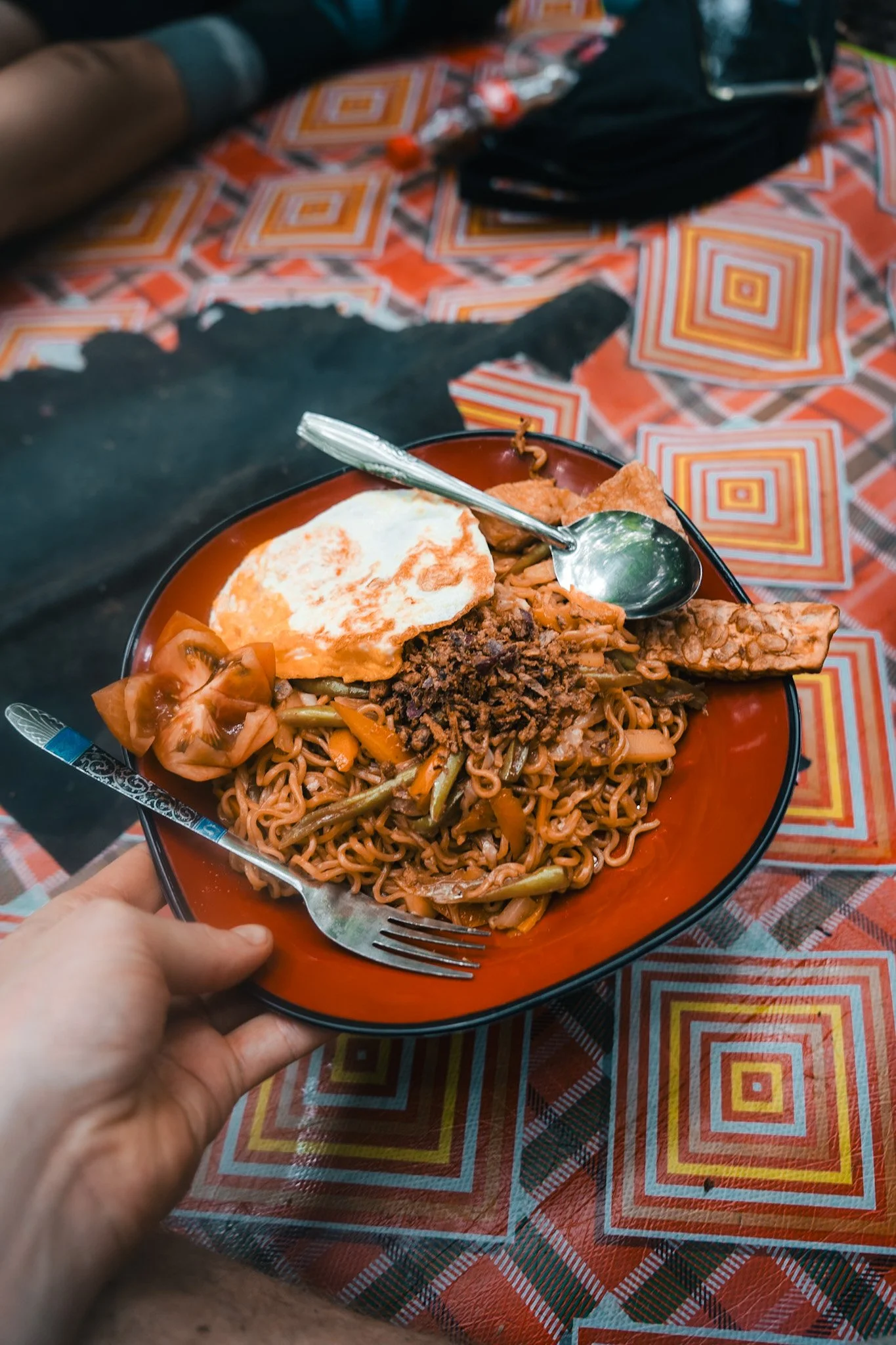
Meals and drinking water
Transport to and from trailheads
What to Pack
Comfortable trekking shoes
Warm layers (nights are cold at high altitude)
Rain jacket or poncho
Headlamp, toiletries, and personal medicine
Daypack, sunscreen, and reusable water bottle
Facilities
There are no permanent shelters or accommodations on the mountain—camping is required. Porters carry equipment and cook meals. Basic toilet tents are usually set up at campgrounds.
Environmental Considerations
Leave no trace. Trekking companies are encouraged to carry out all waste, and you should bring a reusable water bottle to reduce plastic use.
We booked here, highly recommended.
We got this tip from Reisjunk.nl