Indonesia > Yogyakarta
Yogyakarta, often called "Jogja," is a historic and lively city located in central Java, near Mount Merapi and about 30 kilometers from the southern coast. It was founded in 1755 as the capital of the Yogyakarta Sultanate. Today, it is known for its strong Javanese culture, arts, and education.
The city is famous for batik cloth, shadow puppet shows, and ancient temples like Borobudur and Prambanan. Jogja blends tradition with modern life and is easily reached through Yogyakarta International Airport. In the evening, Alun-Alun square comes alive with food stalls, music, and lights, offering a warm, festive atmosphere.


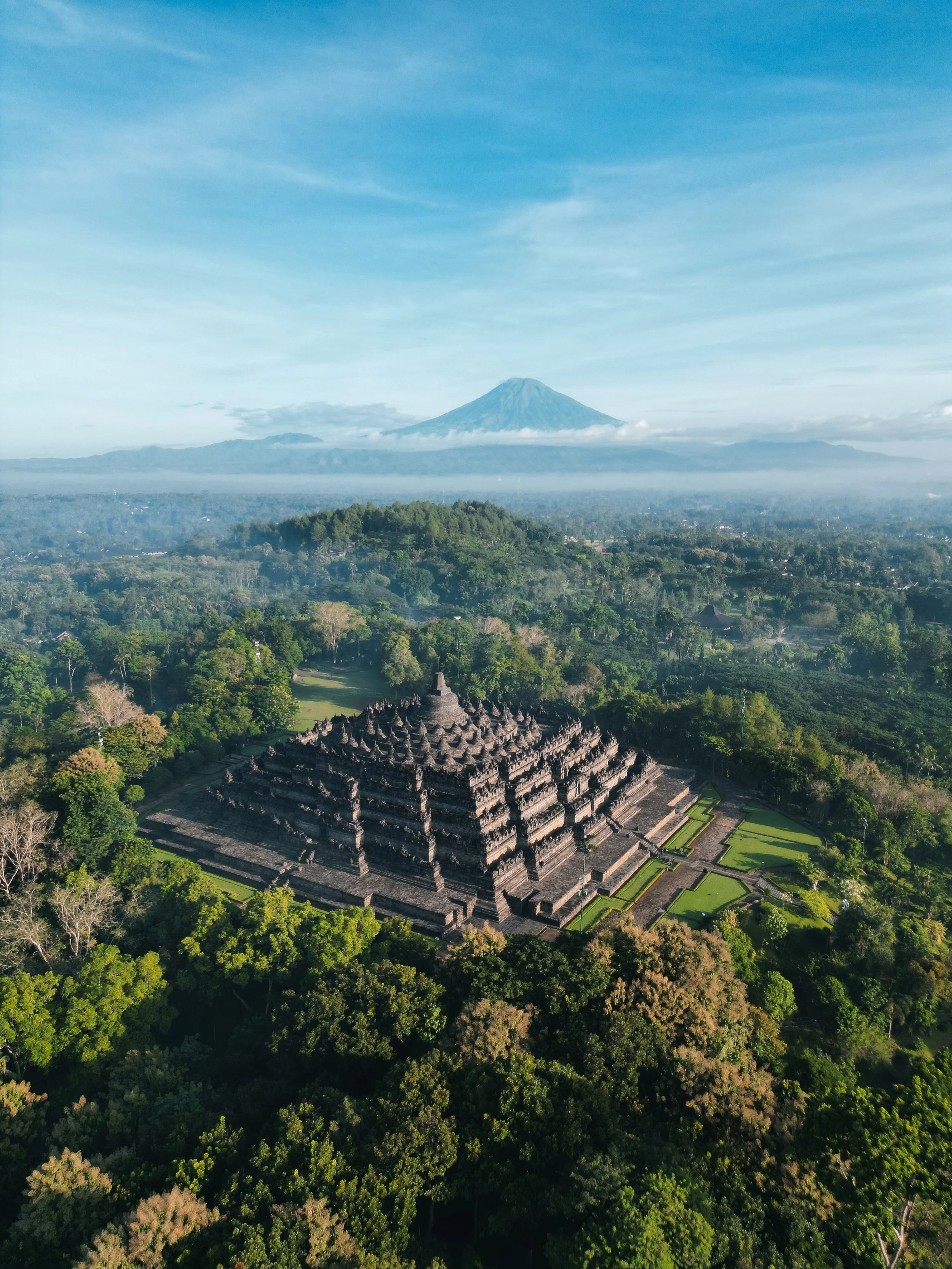
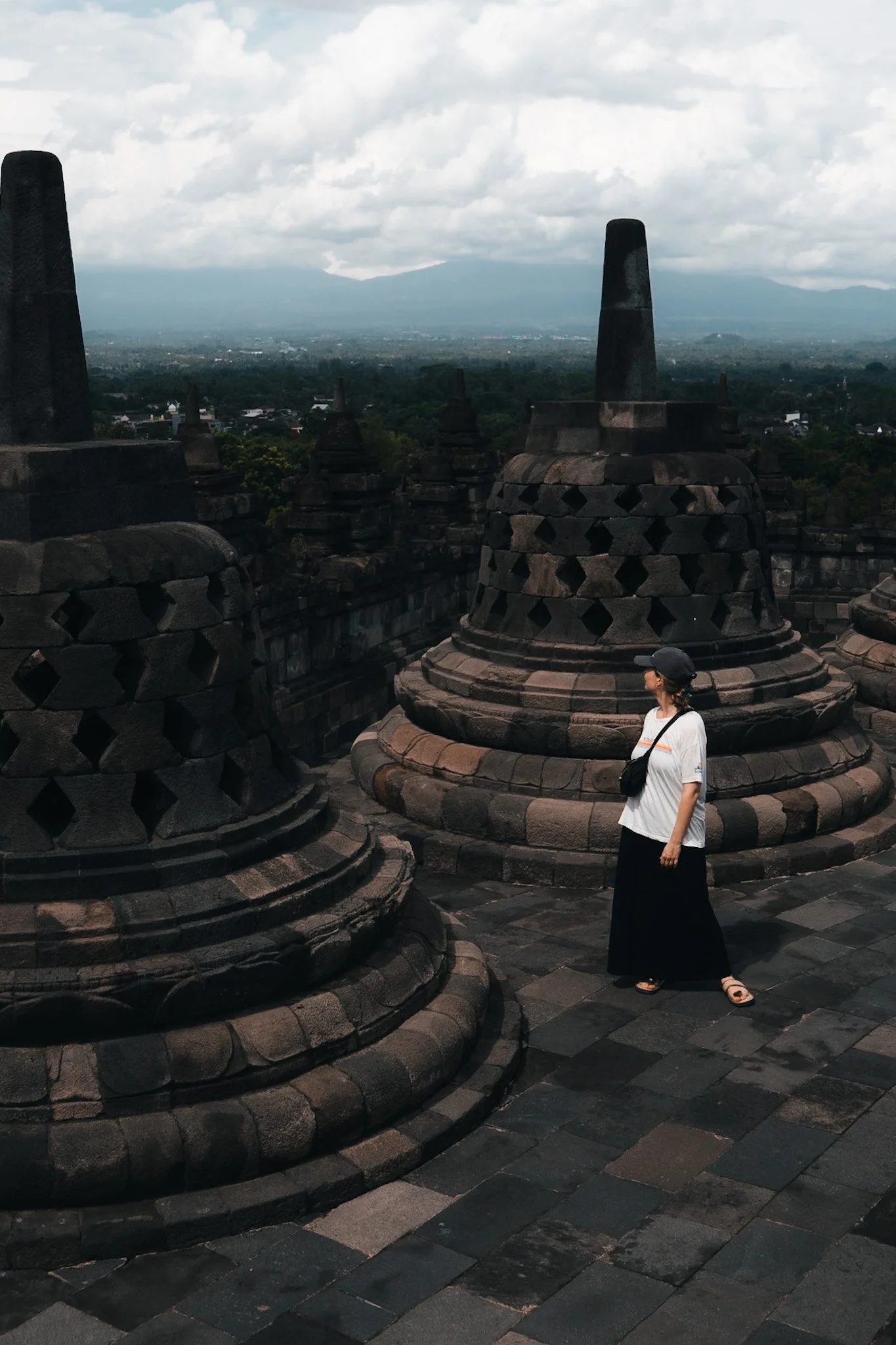
Borobudur Temple
Borobudur Temple, built around 840 CE during the 9th century by the Syailendra Dynasty, is one of the largest and most impressive Buddhist monuments in the world. It was abandoned in the 14th century due to the decline of Buddhism in Java and the rise of Islam. Over time, volcanic ash buried the temple, and it was forgotten until its rediscovery in the 19th century.
The temple is designed to represent the journey toward enlightenment. Its nine stacked platforms symbolize stages of spiritual growth. The lower levels represent the world of desire, while the upper levels represent form, formlessness, and, at the summit, nirvana.
The temple’s design mimics Buddhist cosmology, with the relief panels on its walls guiding visitors through Buddha’s teachings. If you would like to ‘read’ every panel, it would take you 2 months.
Many of the Buddha statues at Borobudur are missing their heads, likely due to a combination of natural disasters and looting over the centuries. The missing heads are believed to have been removed or damaged during the temple's long period of abandonment and neglect. Despite this, the temple remains an awe-inspiring symbol of Indonesia’s rich cultural heritage.
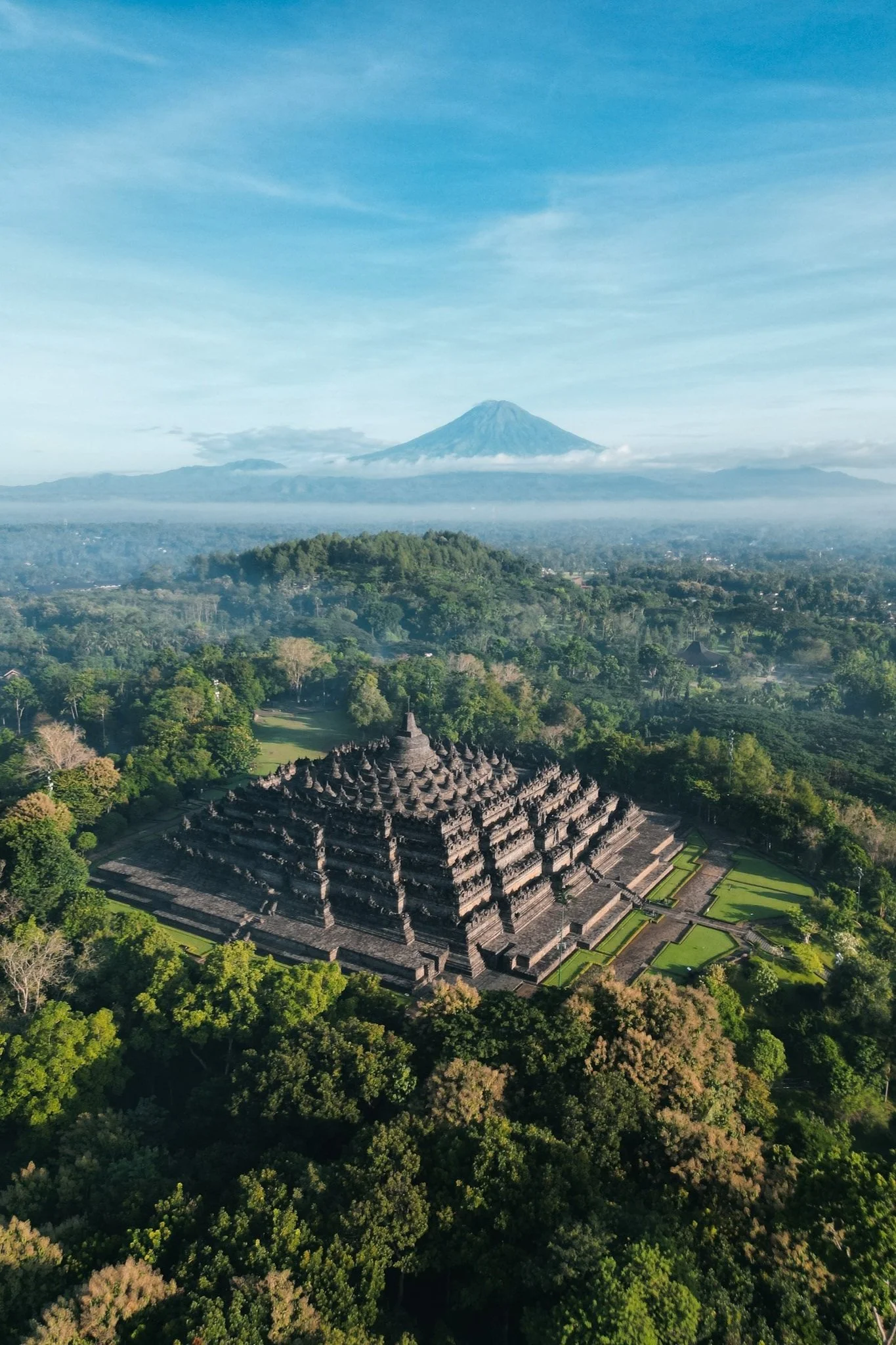
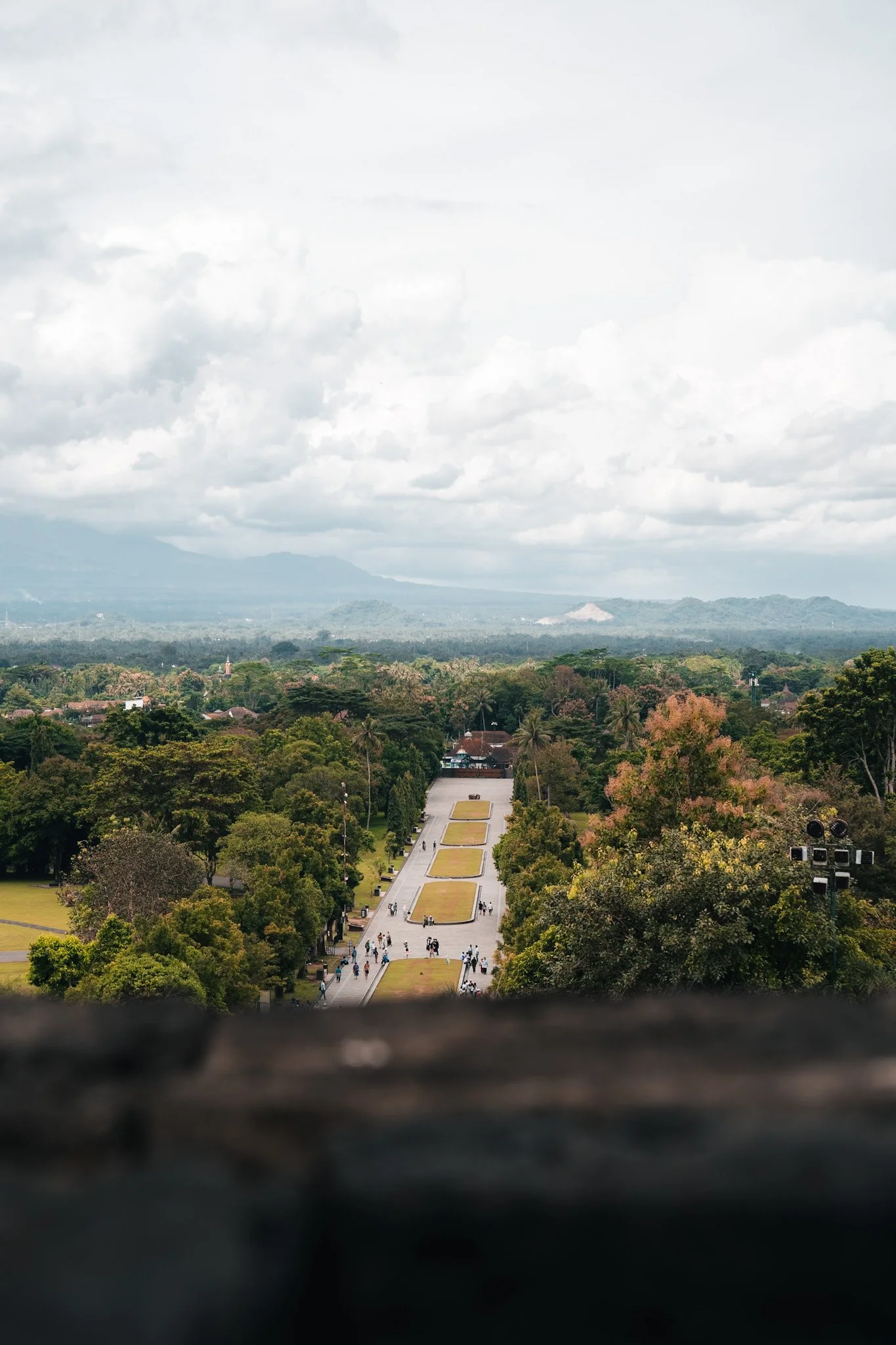
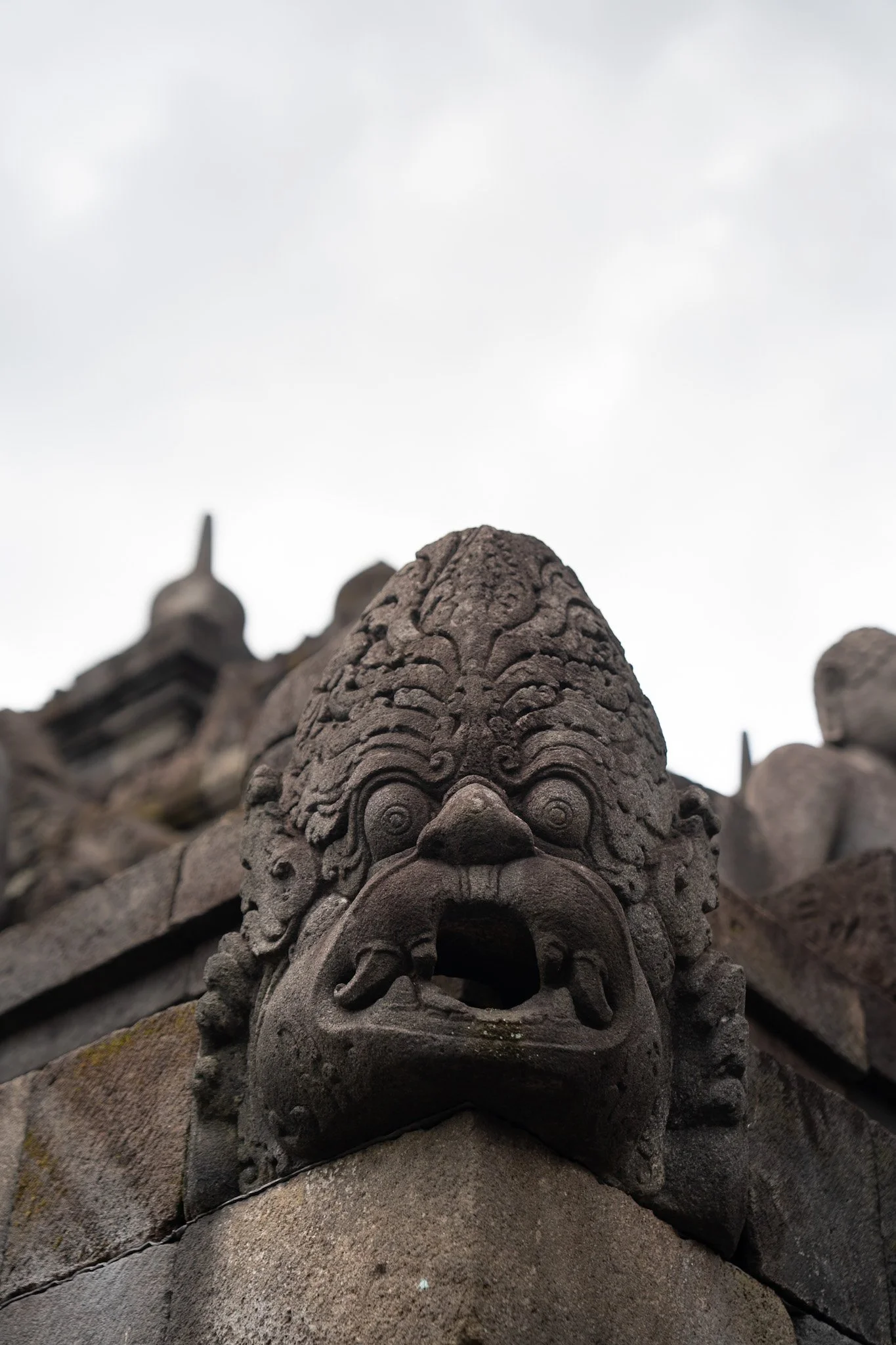

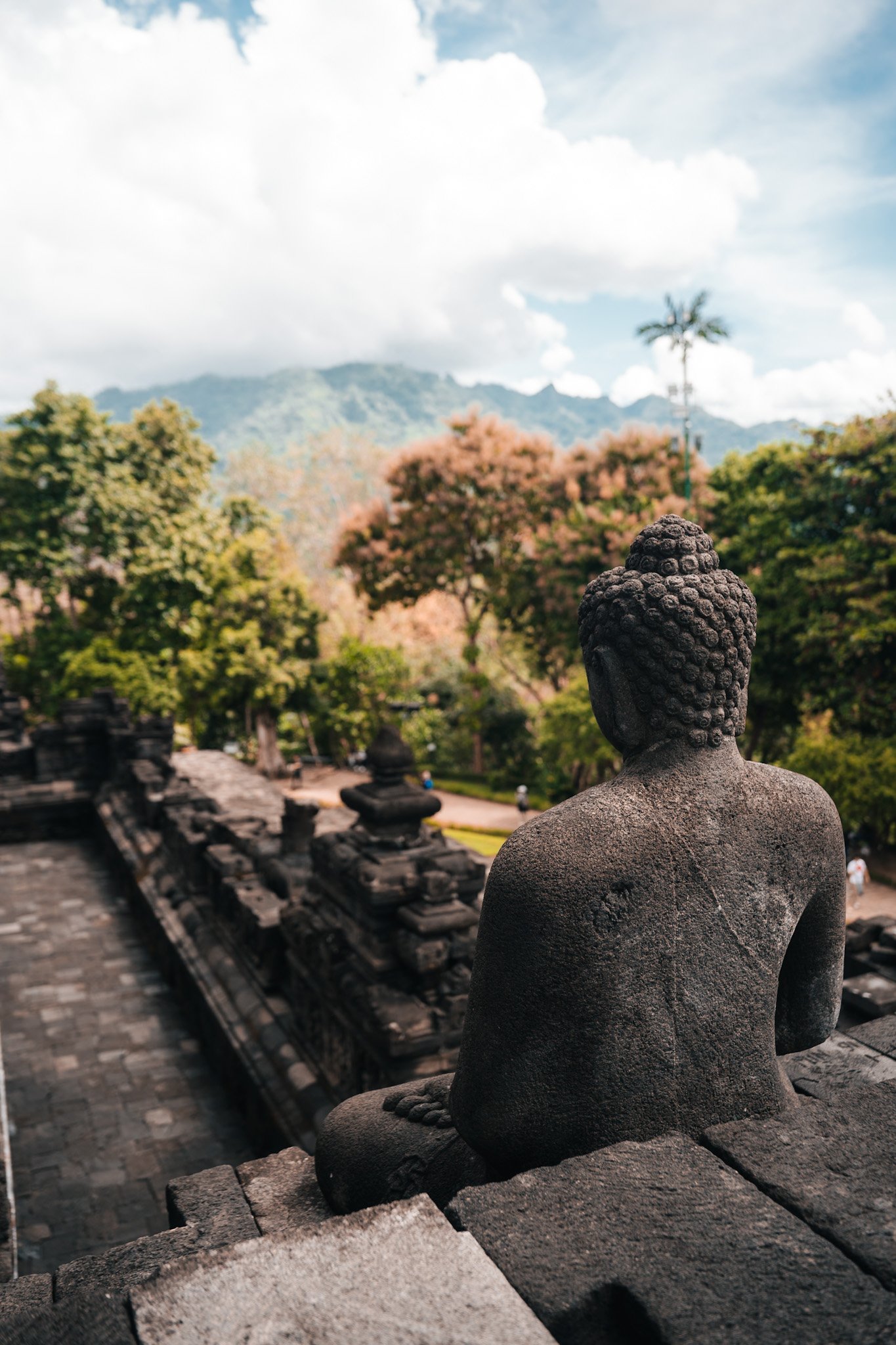
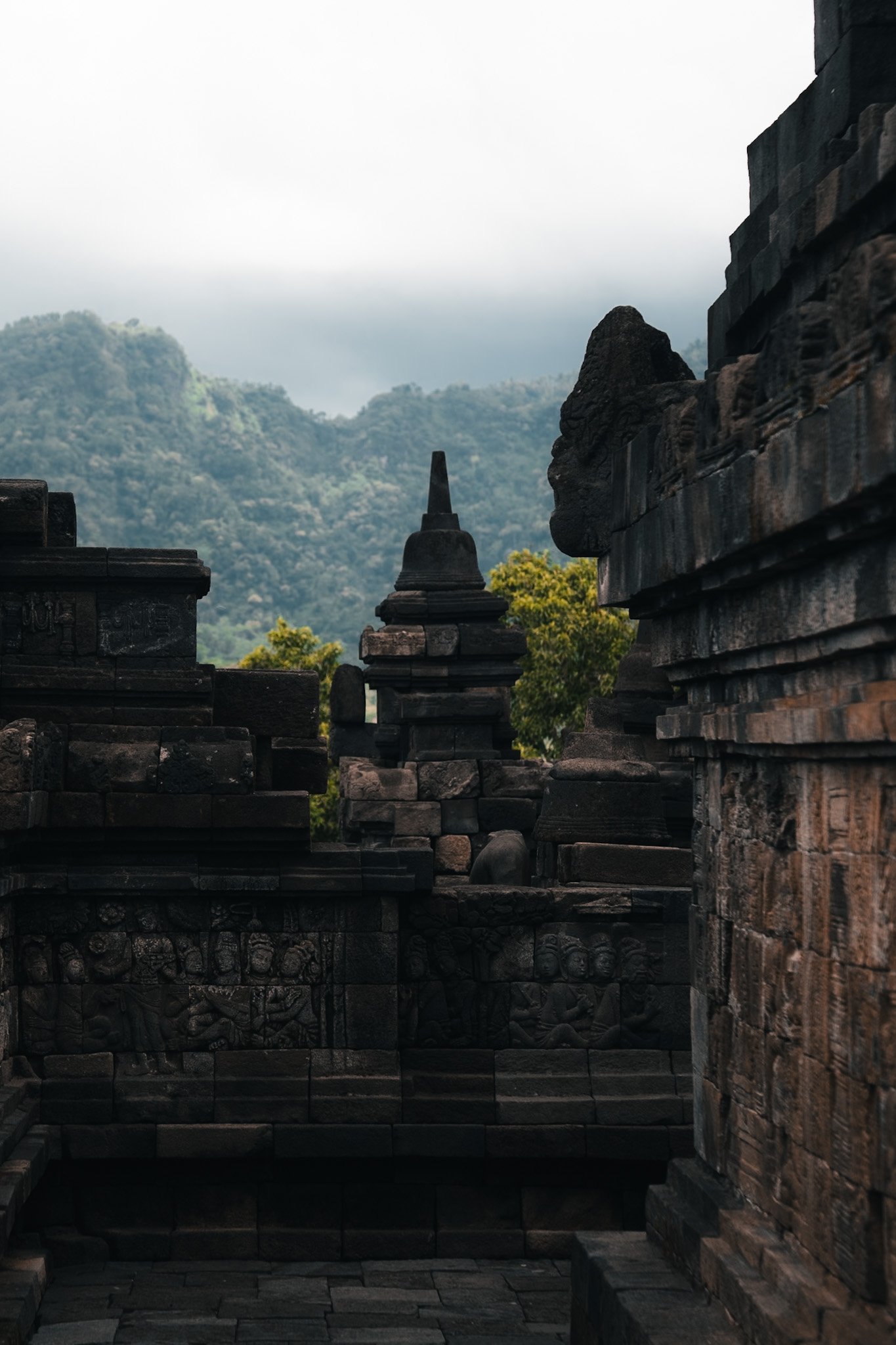
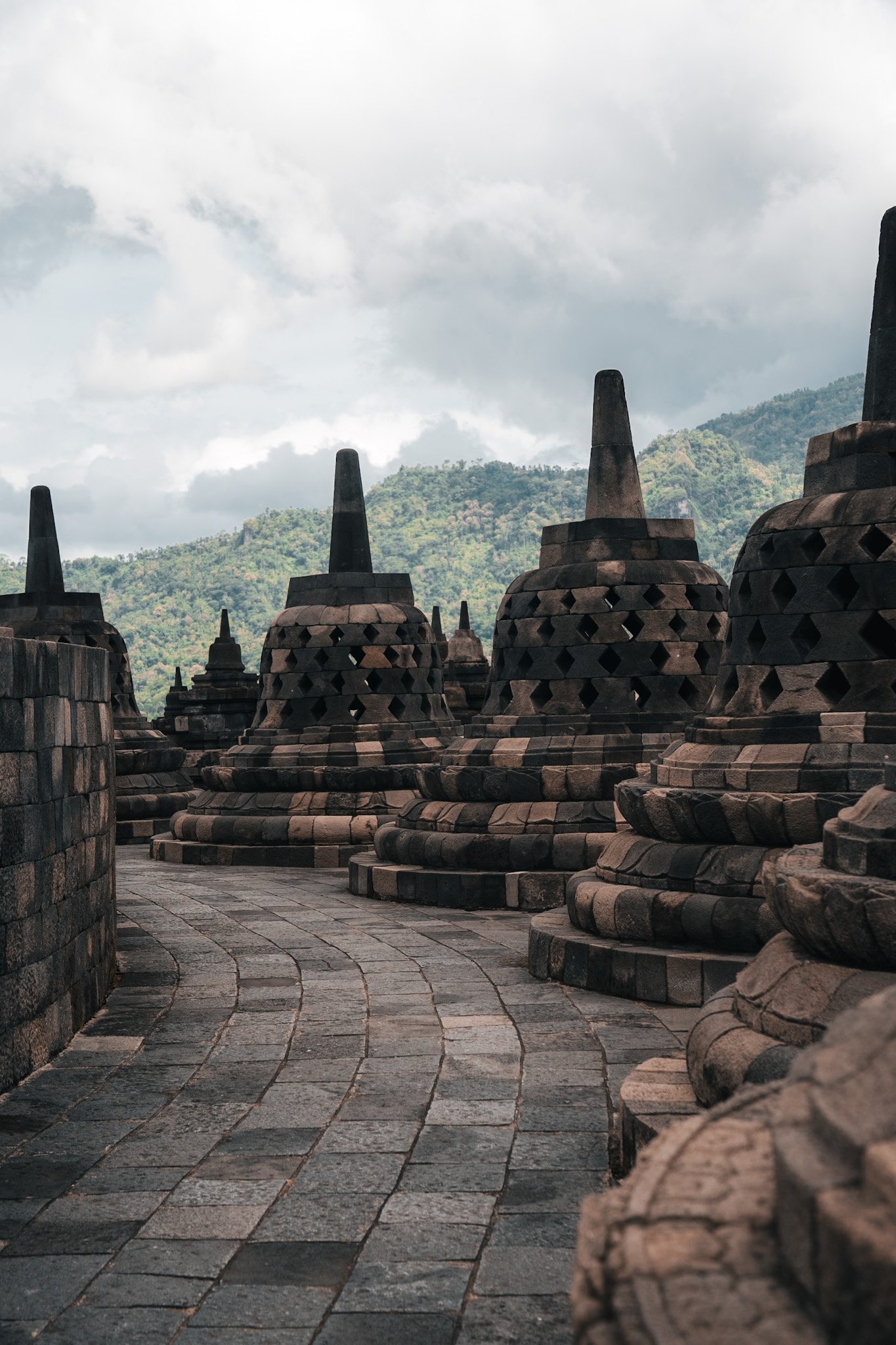

Borobudur
Borobudur has a limited number of tickets available for each time slot, and the early slots, especially for sunrise visits, tend to sell out quickly. To ensure you get your preferred time, it’s highly recommended to purchase your tickets online in advance.
This guarantees you a spot for your chosen time and helps avoid long waits or disappointment when tickets are sold out when you want to buy them on the spot. By booking ahead, you can also choose between the Ground Ticket or the Structure Temple Ticket, ensuring a smooth and well-planned visit to this iconic site.
Ground Ticket: This ticket allows access to the temple’s surrounding grounds, including the base of the monument. Visitors with a ground ticket can explore the area around the temple, admire the exterior, and enjoy the views of the temple from the outside. However, this ticket does not grant access to the upper levels of the temple structure itself.
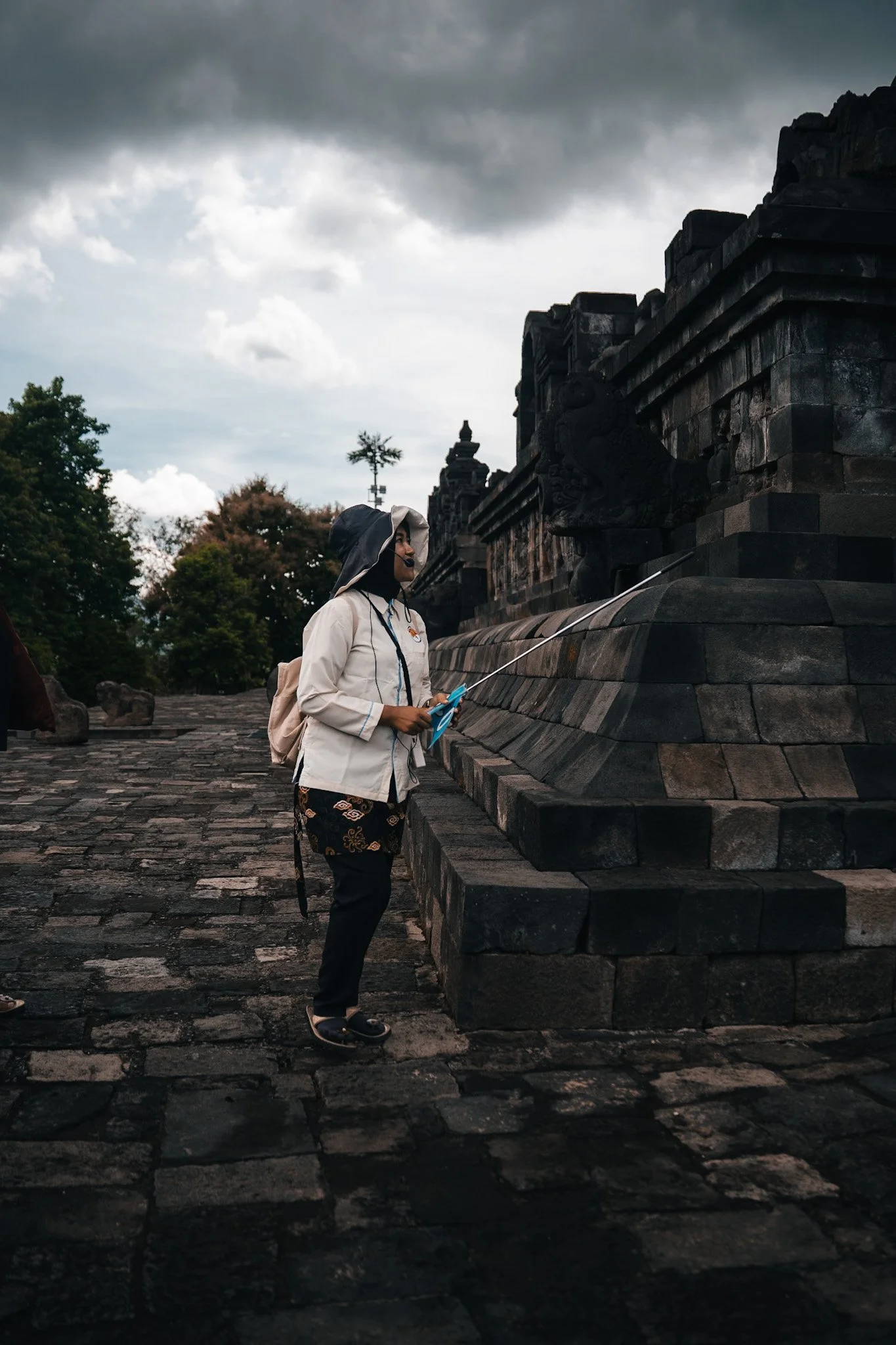
Structure Temple Ticket: This ticket gives visitors access to the full temple, including the ability to climb all nine levels of the monument. It includes access to the lower, middle, and upper levels, where you can walk through the relief panels and statues and ultimately reach the top, which offers panoramic views. The Structure Temple Ticket also includes a mandatory guide to help explain the temple's history, symbolism, and significance.
Also here, there are 2 options: "Mahakarya = Foreigner Child" and "Mahayana = Foreigner Adult"
The Ground Ticket is less expensive and limited to the exterior, while the Structure Temple Ticket provides a more immersive experience by allowing access to the entire temple.
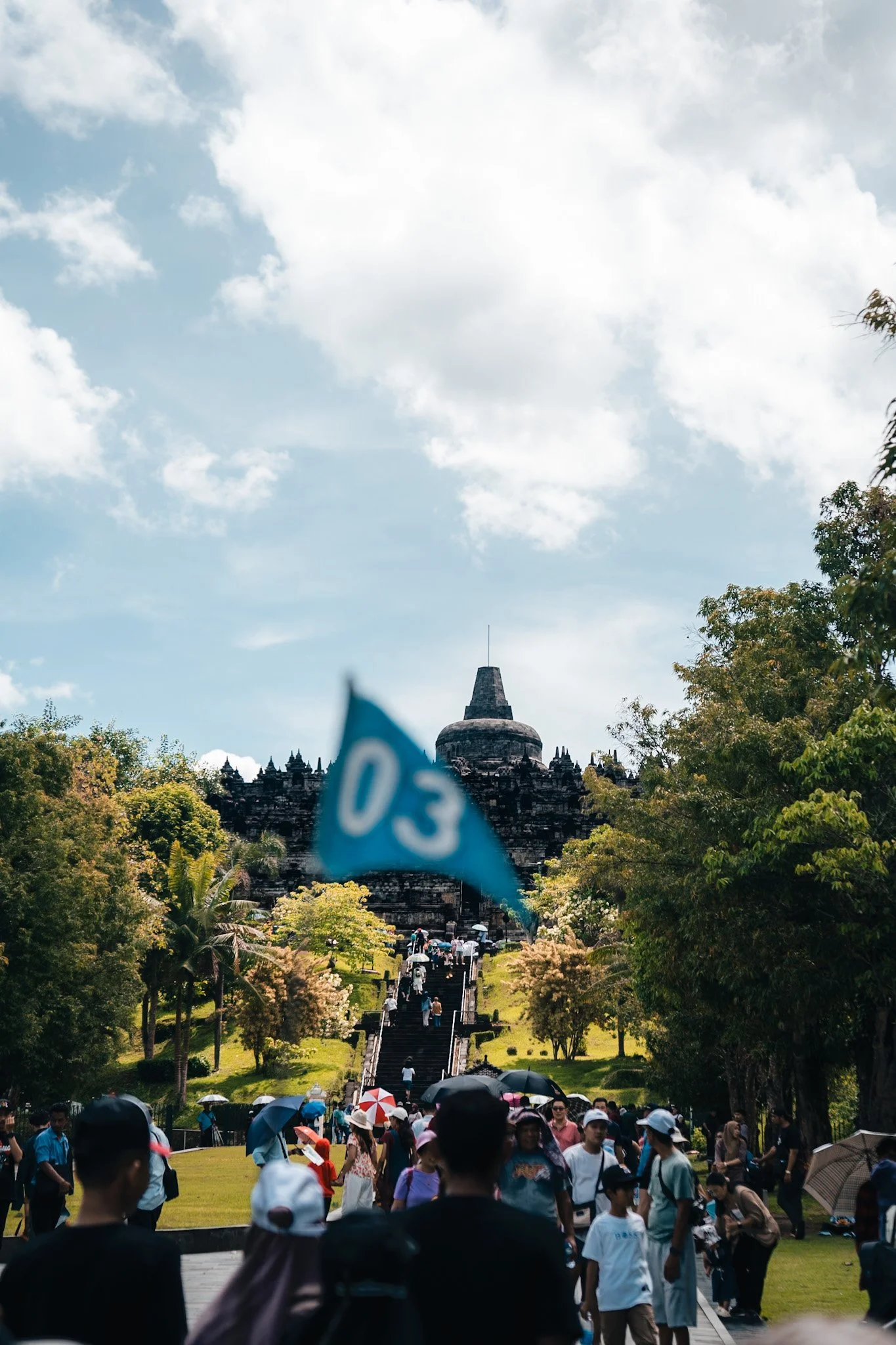
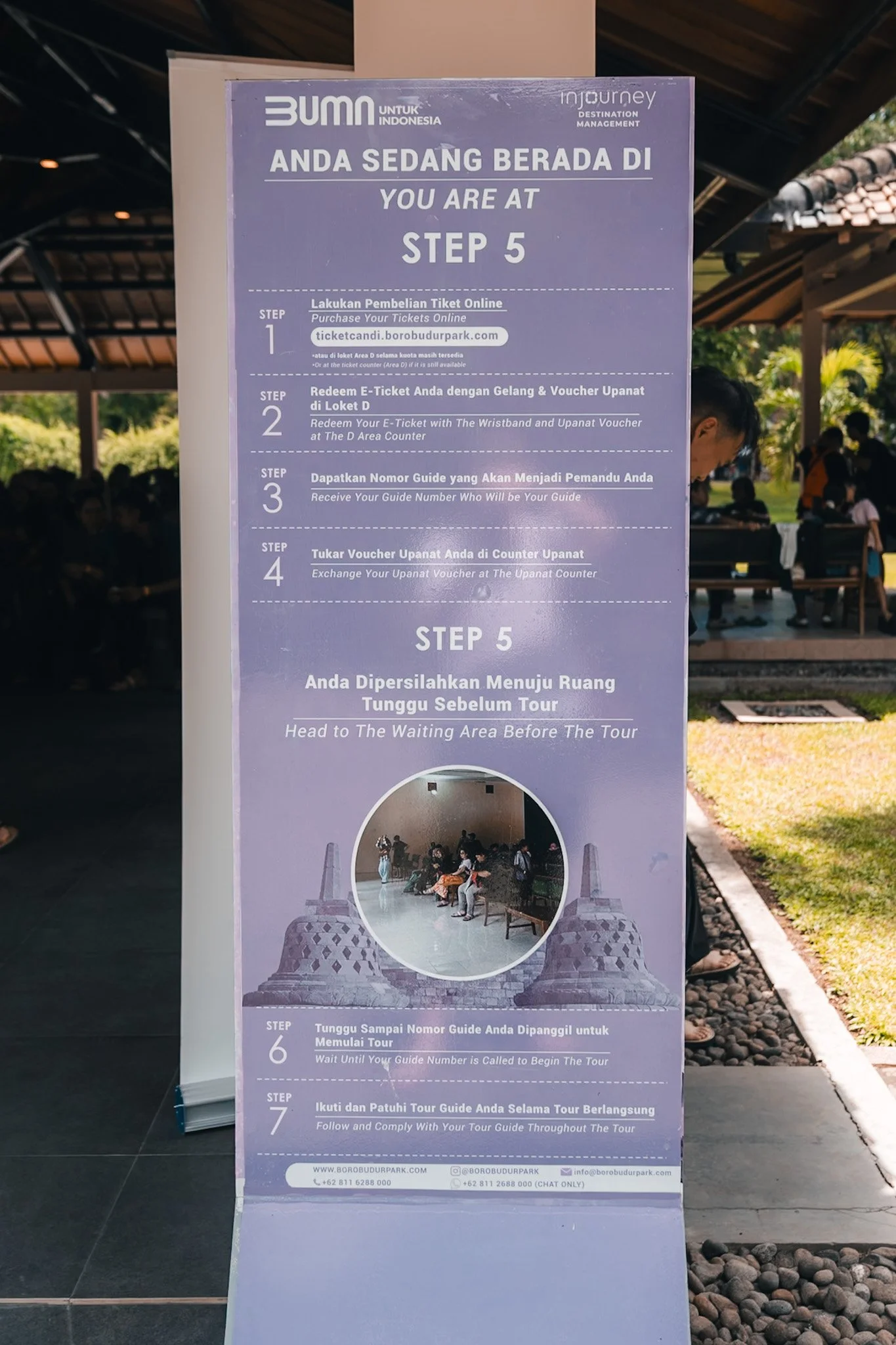
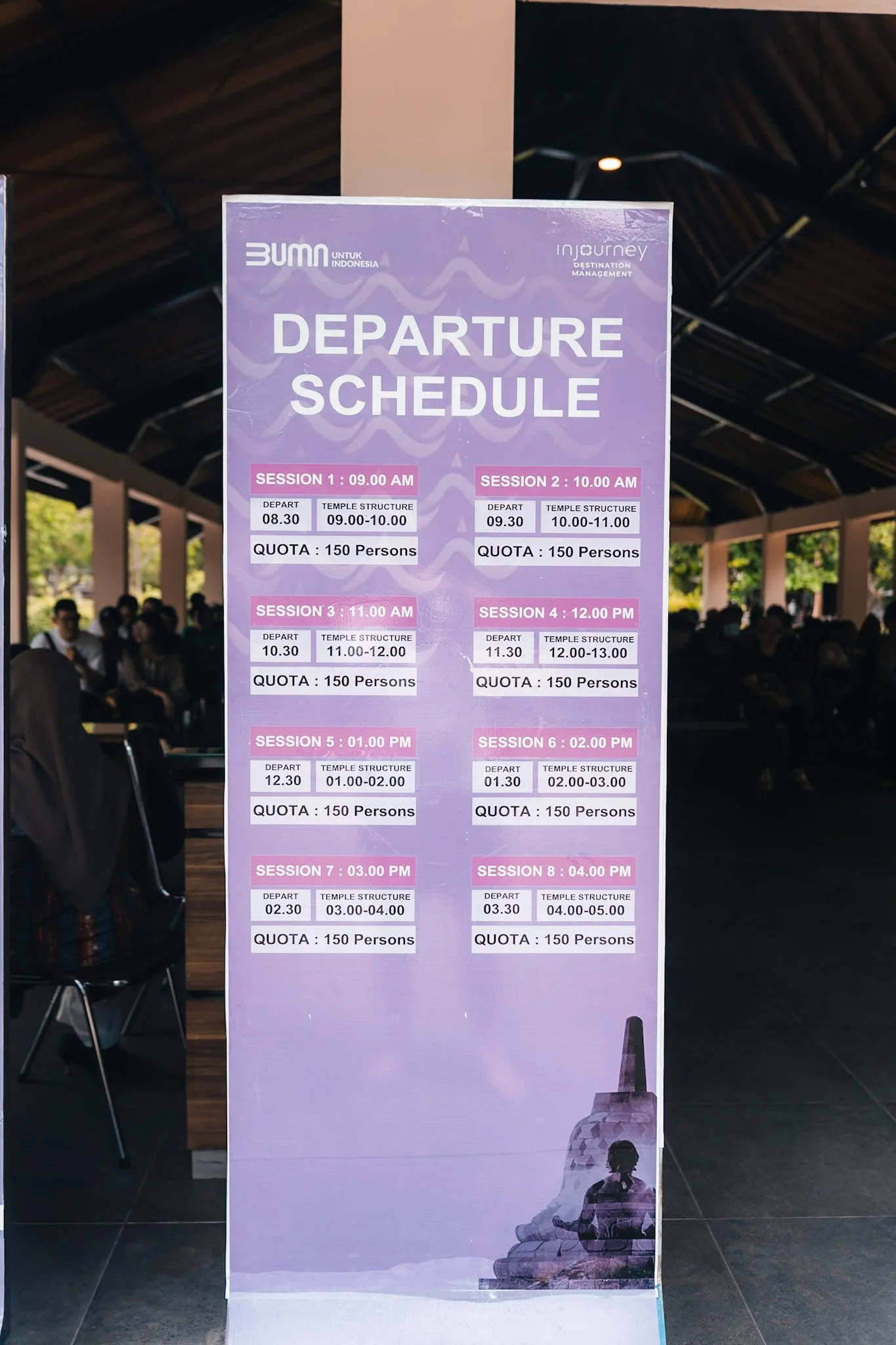
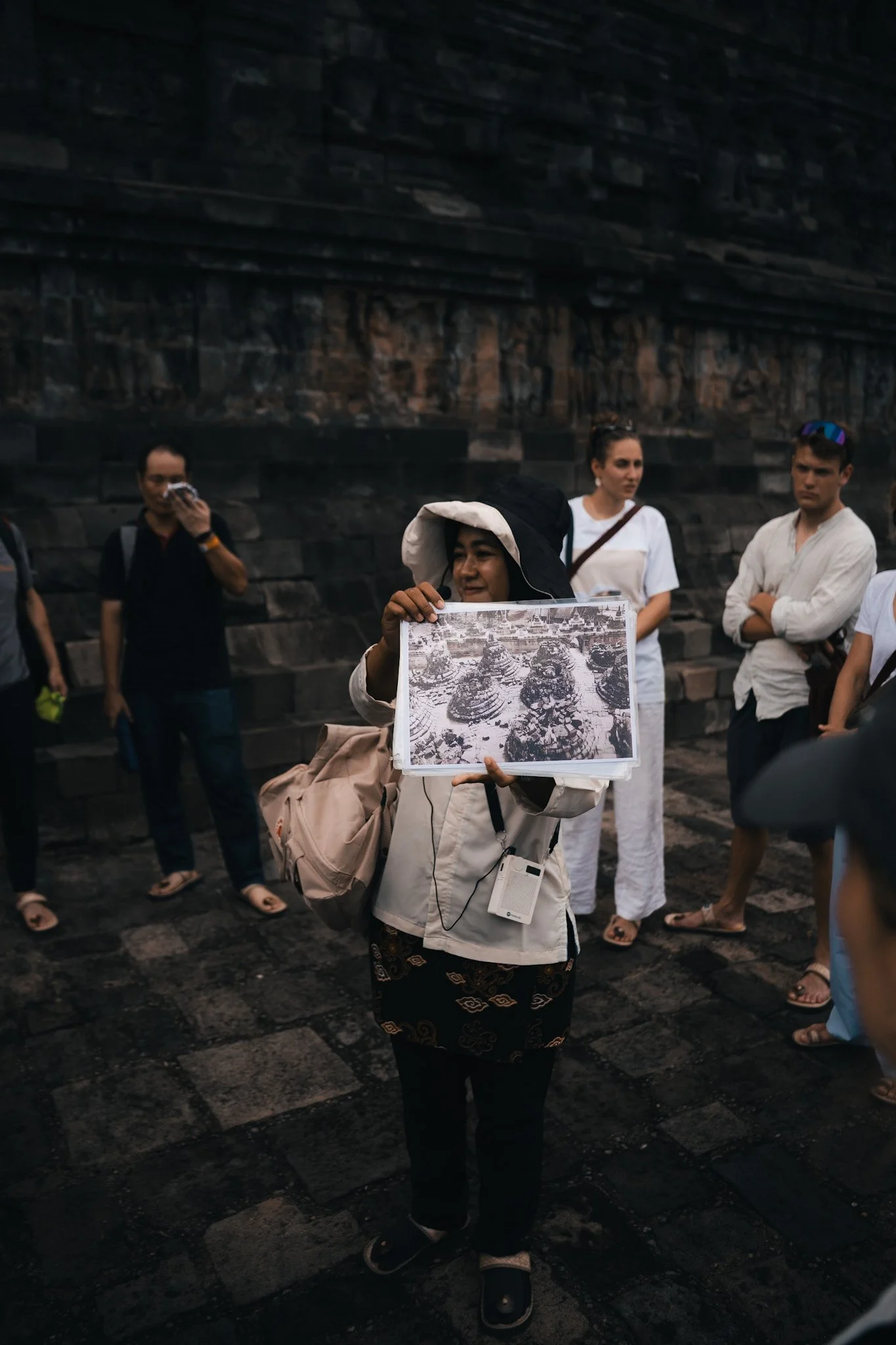
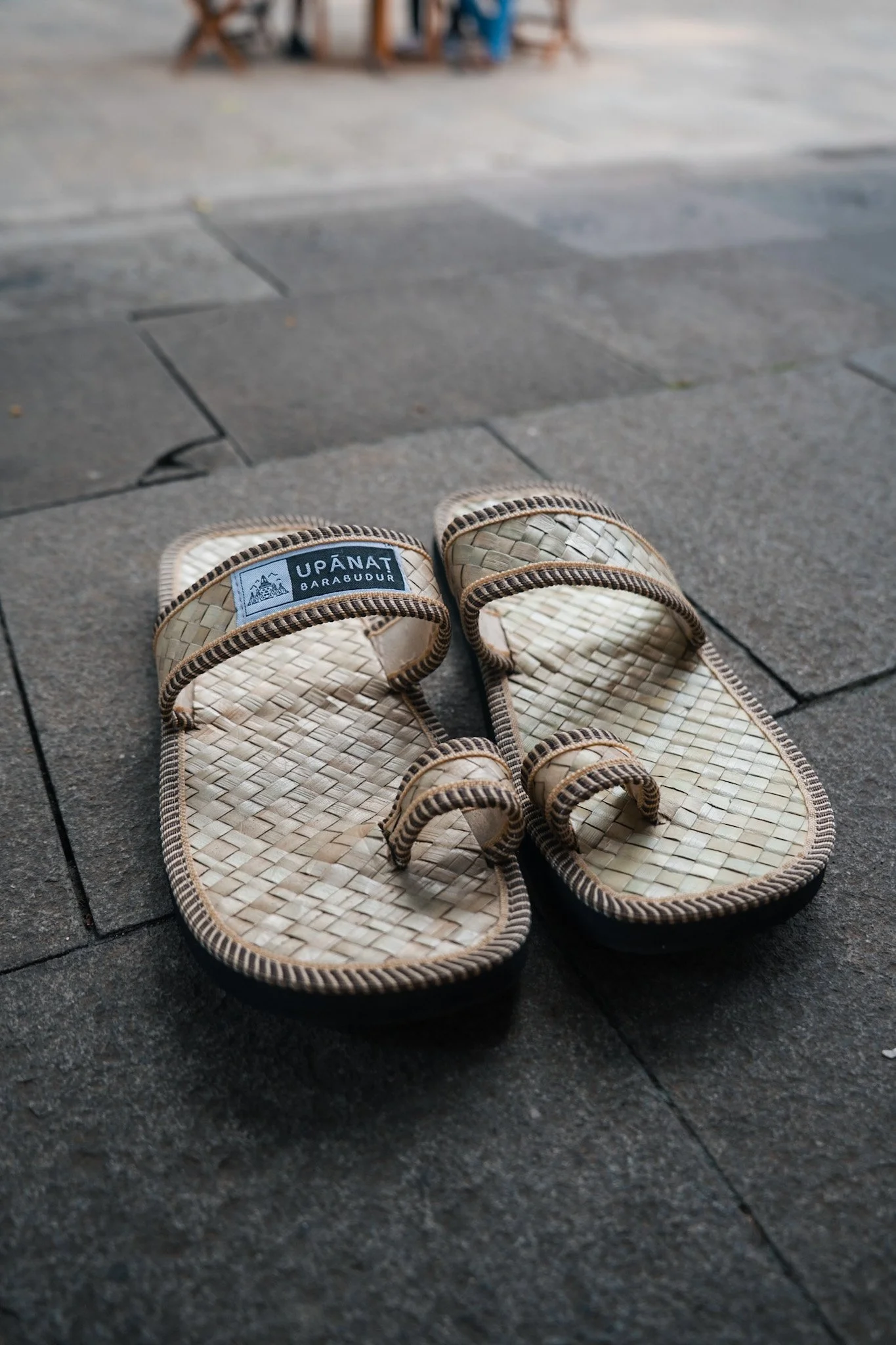
After entering Borobudur, visitors take a short ride on a golf cart to reach the second part of the entrance, where the temple grounds begin. Upon arrival, you’ll receive slippers to protect the temple's stone surfaces. Along with your slippers, you’ll be given a guide number. You’ll then wait in the designated area for your guide number to be called. Once your guide arrives, they will lead you through the temple, explaining its history, symbolism, and the meaning behind the reliefs and statues as you ascend through the levels on your journey toward enlightenment.
A limited number of visitors are allowed inside the temple per time slot, creating a calm and uncrowded atmosphere. It's a smart way to keep the experience personal and enjoyable — even though it's a popular tourist destination, it never feels like mass tourism.
Borobudur Temple is located 40 kilometers (25 miles) northwest of Yogyakarta city center. Depending on traffic and your mode of transportation, the journey typically takes between 1 or 1.5 hours. I recommend spending the night in the beautiful area close to the temple.
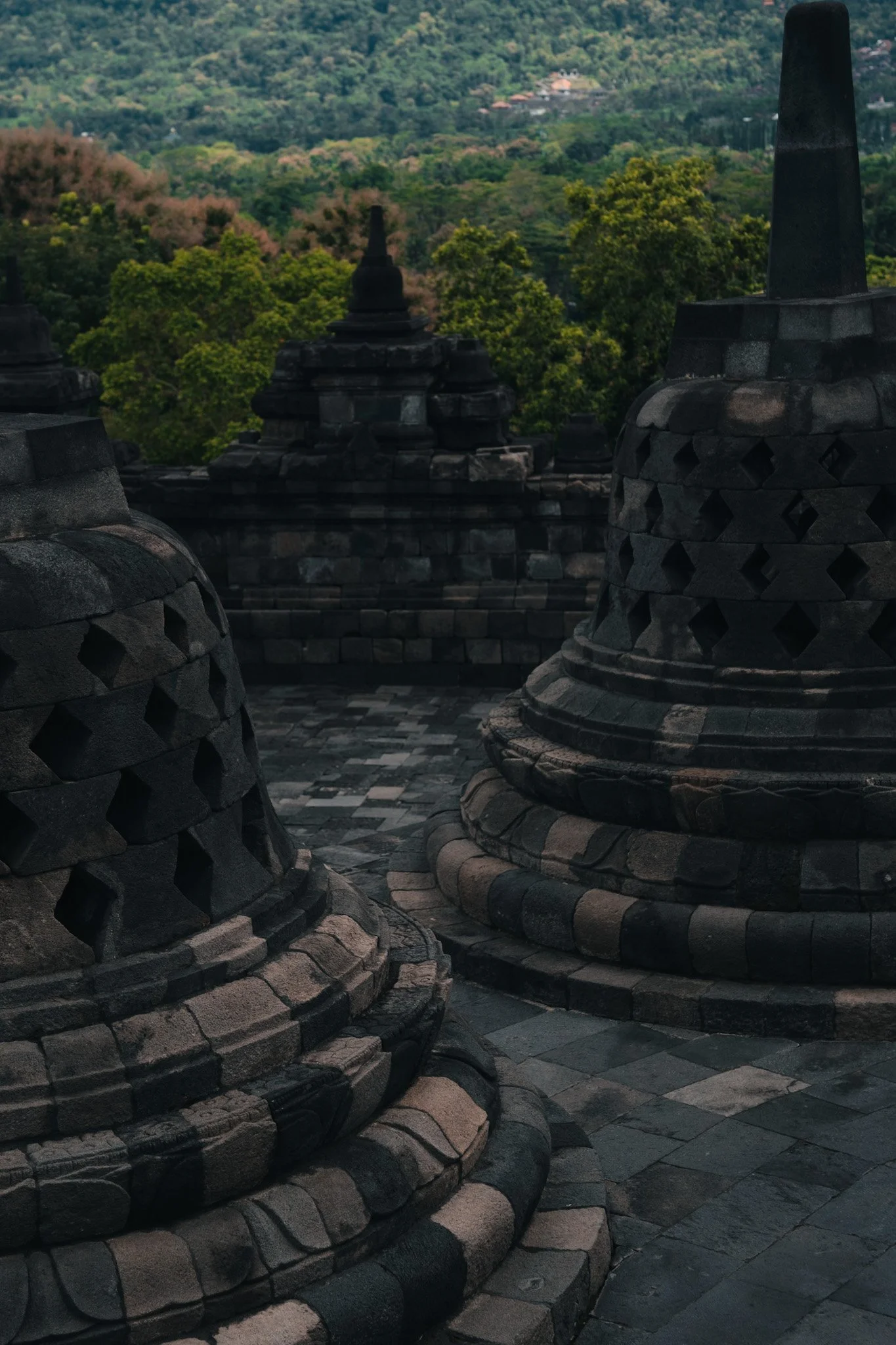
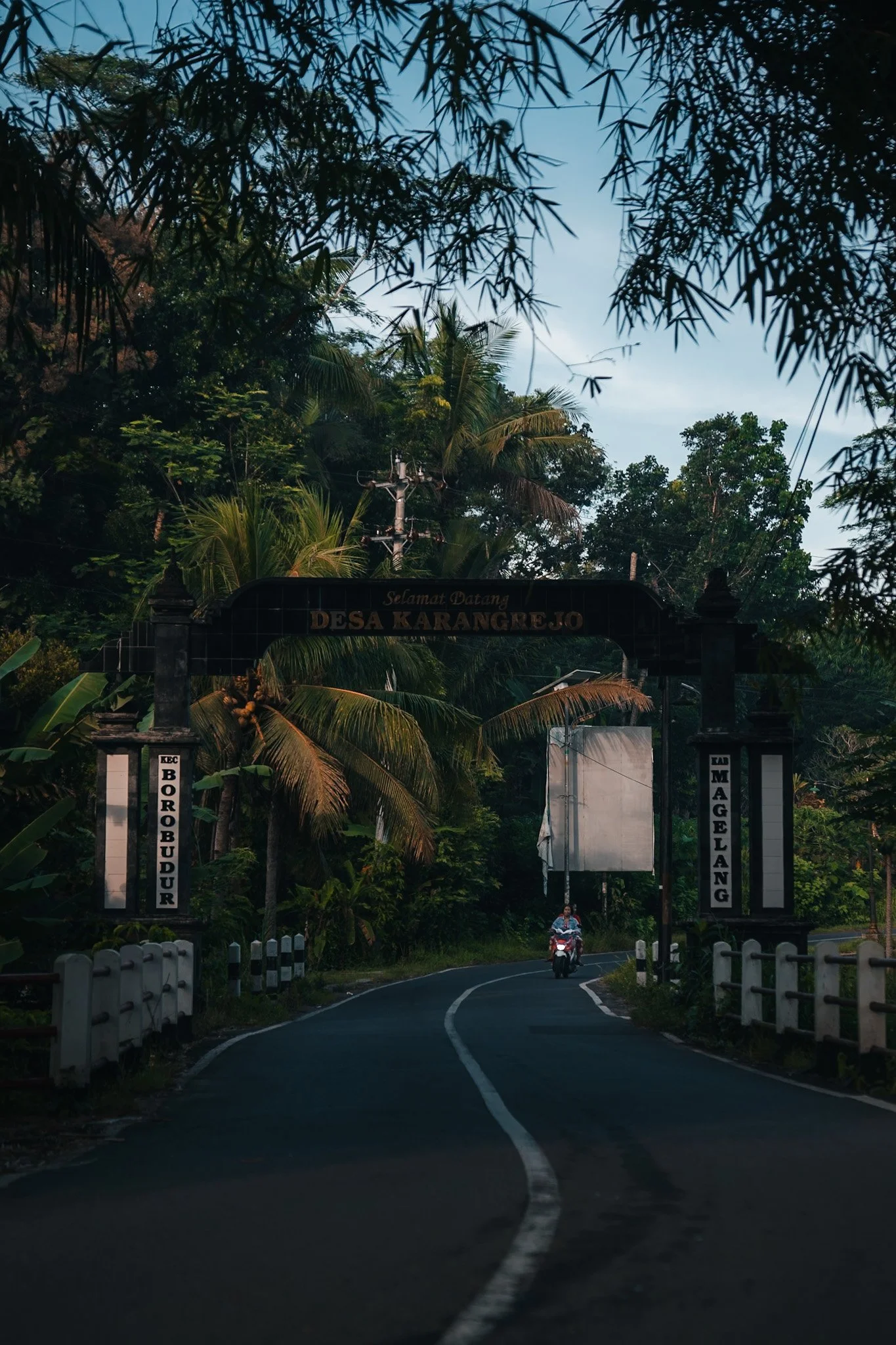
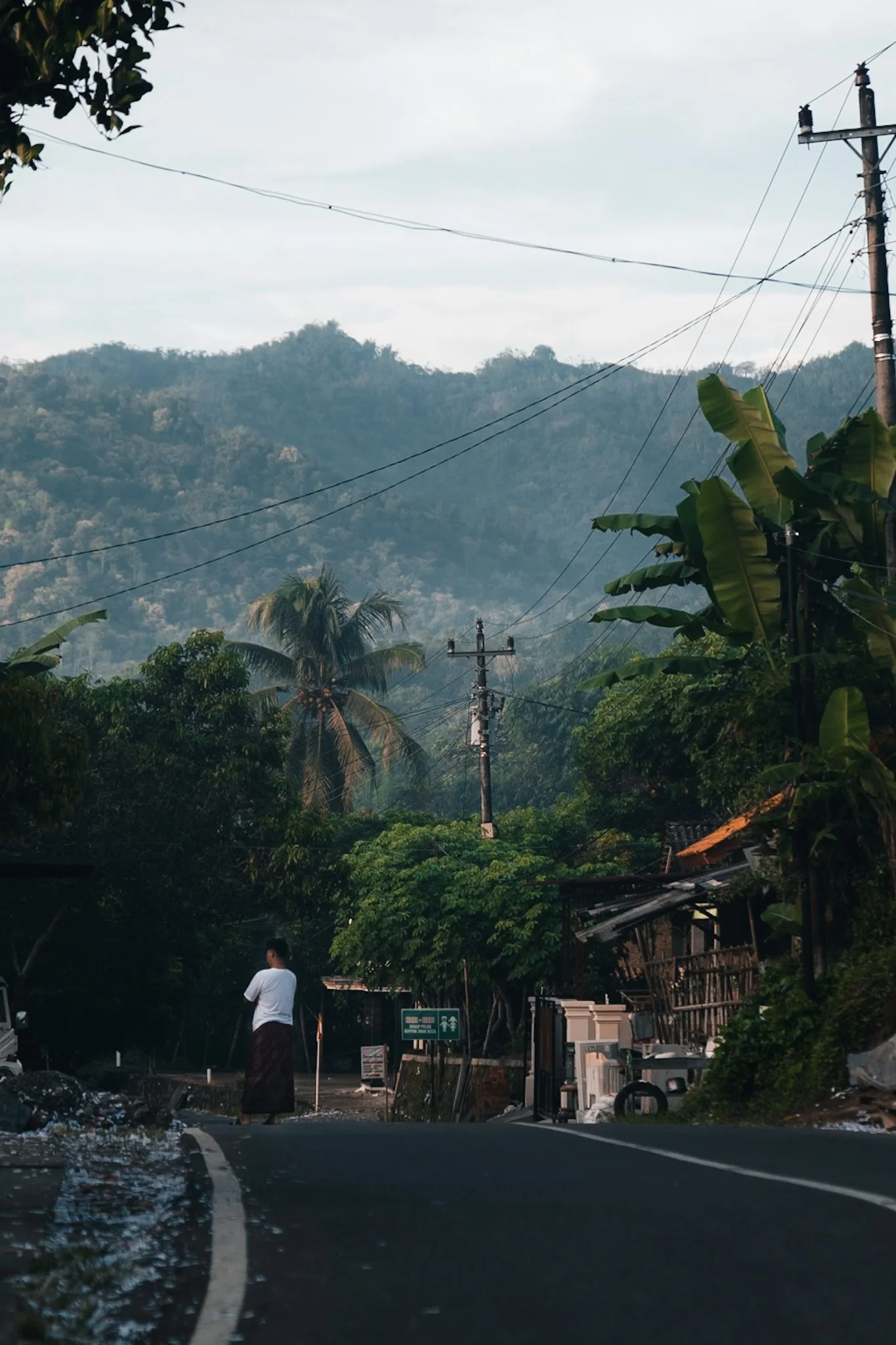
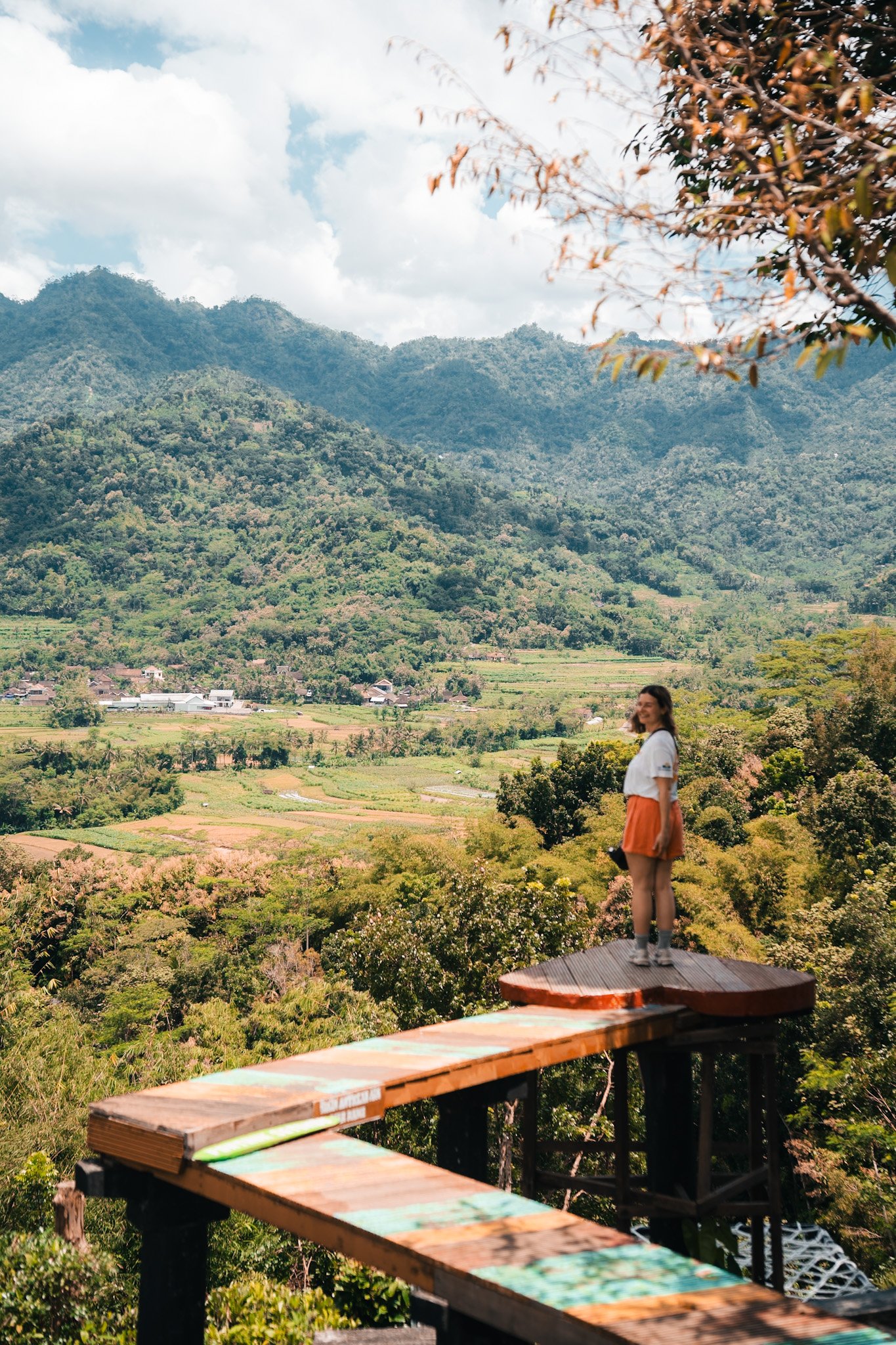
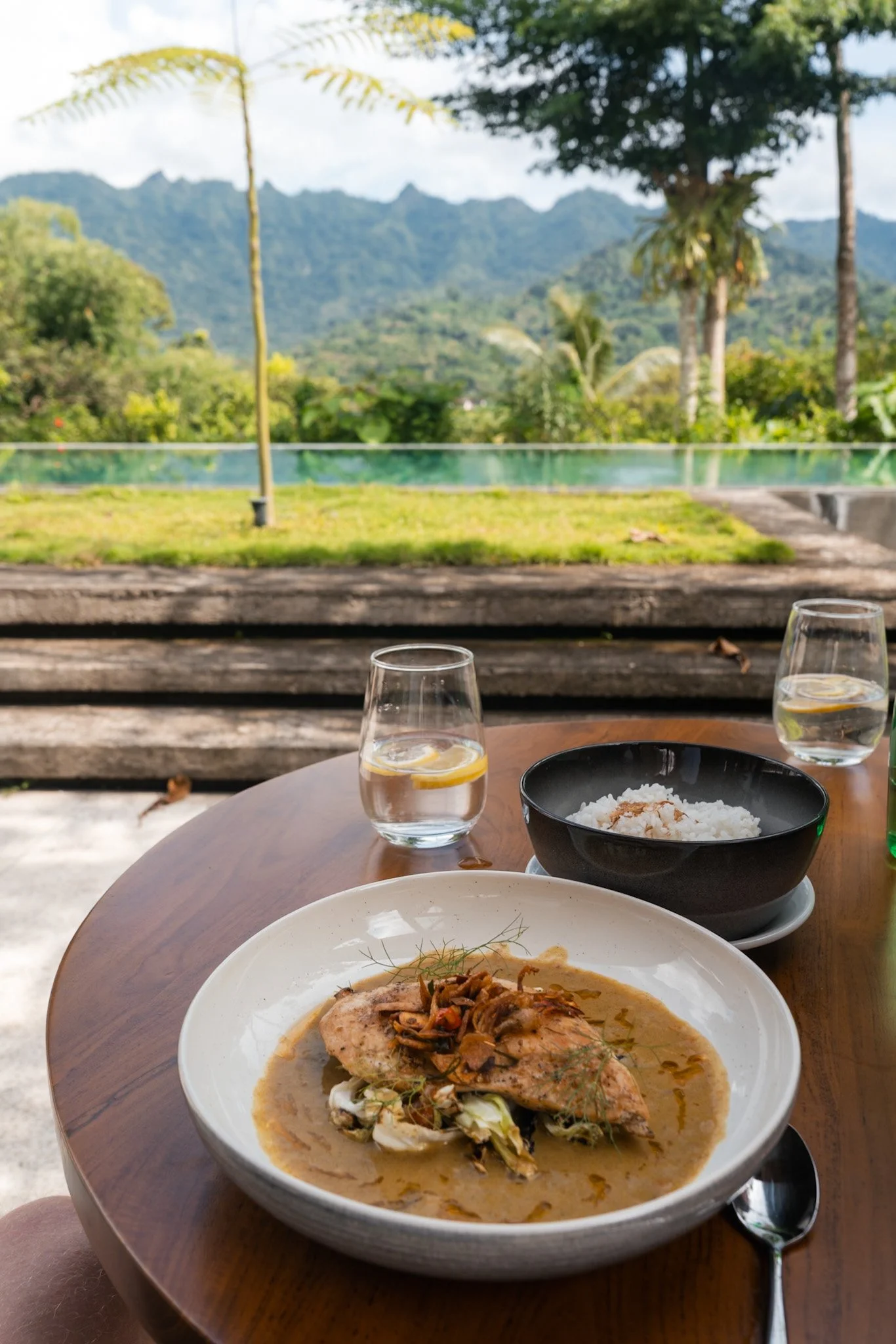
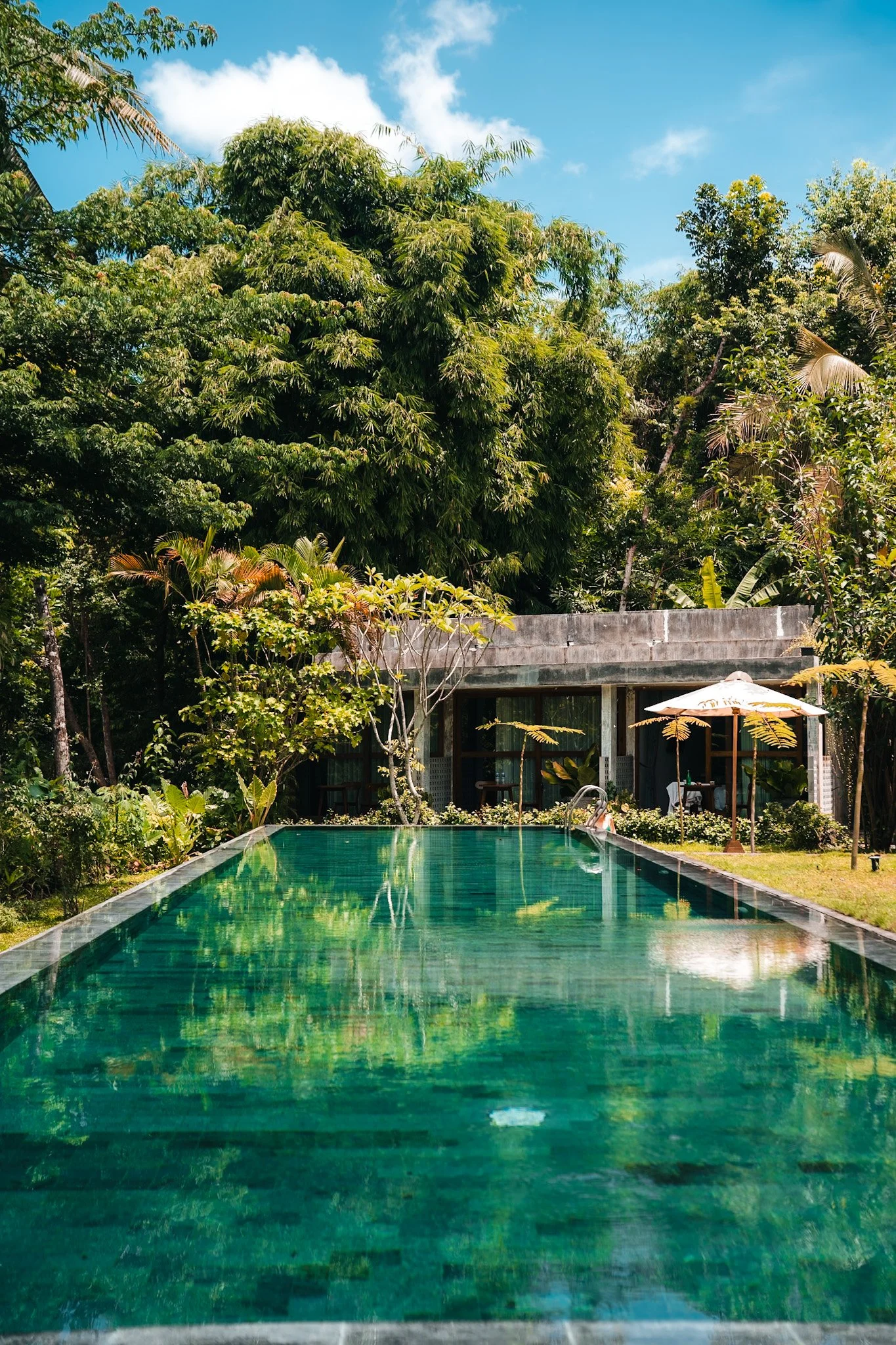
We spent two nights at The Setumbu Experience, which is close to Borobudur Temple and surrounded by stunning nature. You can visit places like Puncak View Sunrise, or just rent a scooter and explore the local villages and rice fields. Caping Resto Borobudur is also a fun place to stop by! Below are some photos of the beautiful surroundings.

Prambanan
Closer to Yogyakarta’s city center, Prambanan is a breathtaking 9th-century Hindu temple complex. Unlike Borobudur, which is one large structure, Prambanan is a wide park filled with many individual temples spread across the grounds. It's easy to explore on foot, and there's no need to book tickets in advance.
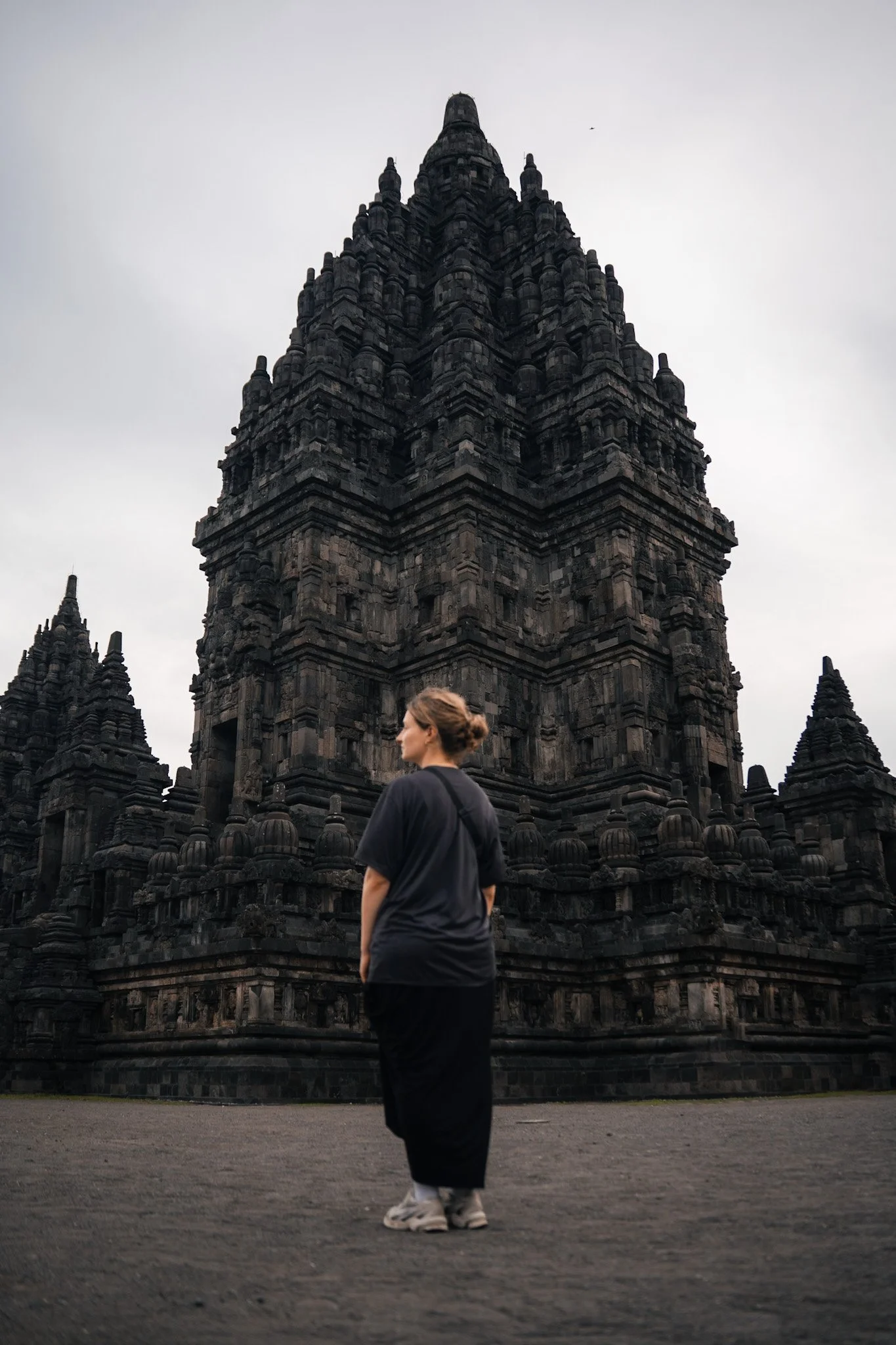
Built around 850 AD by the Sanjaya Dynasty, the complex was dedicated to the Trimurti — Brahma the Creator, Vishnu the Preserver, and Shiva the Destroyer. These three main temples stand tall in the center, with Shiva’s temple being the highest at 47 meters.
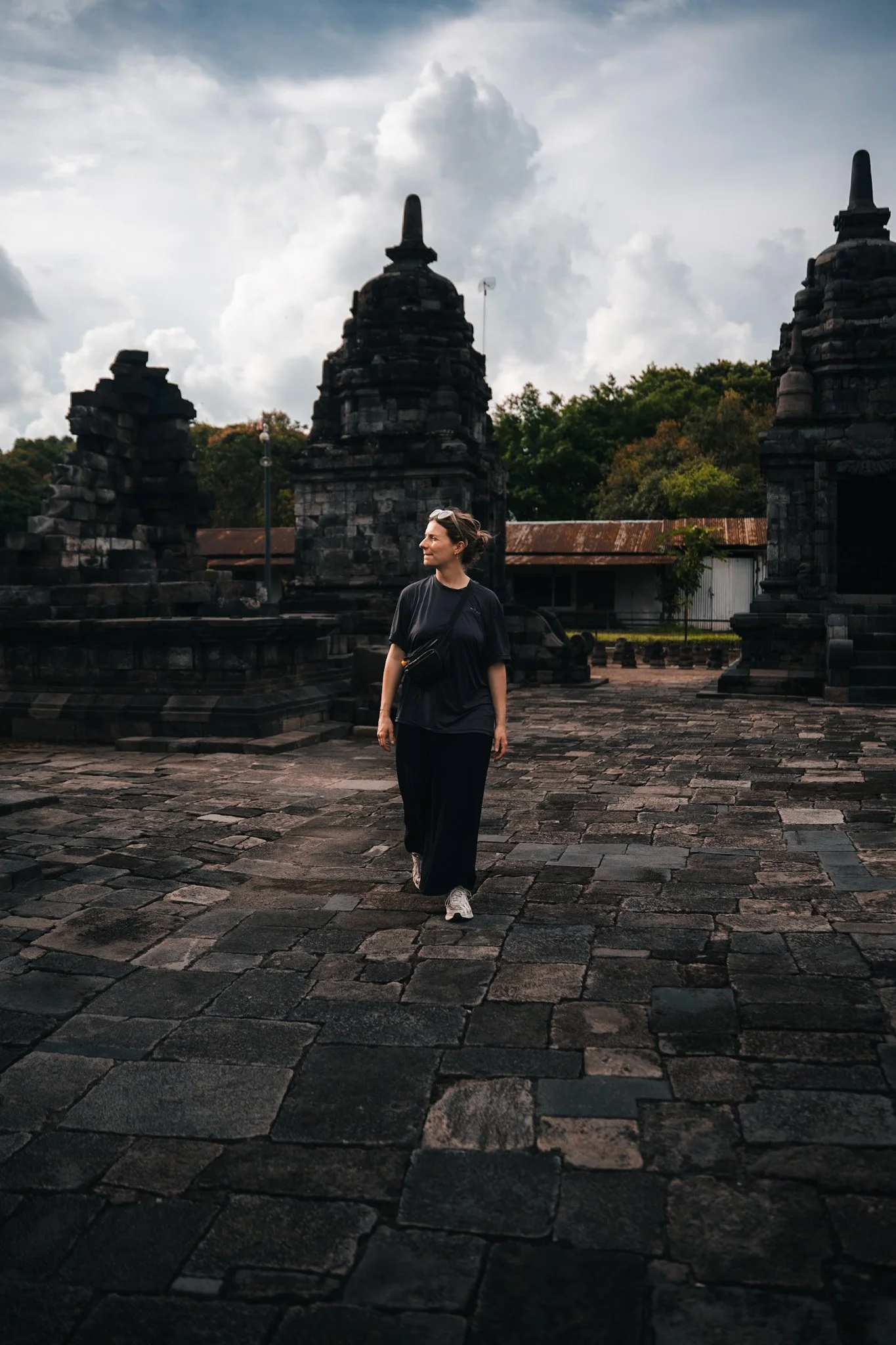
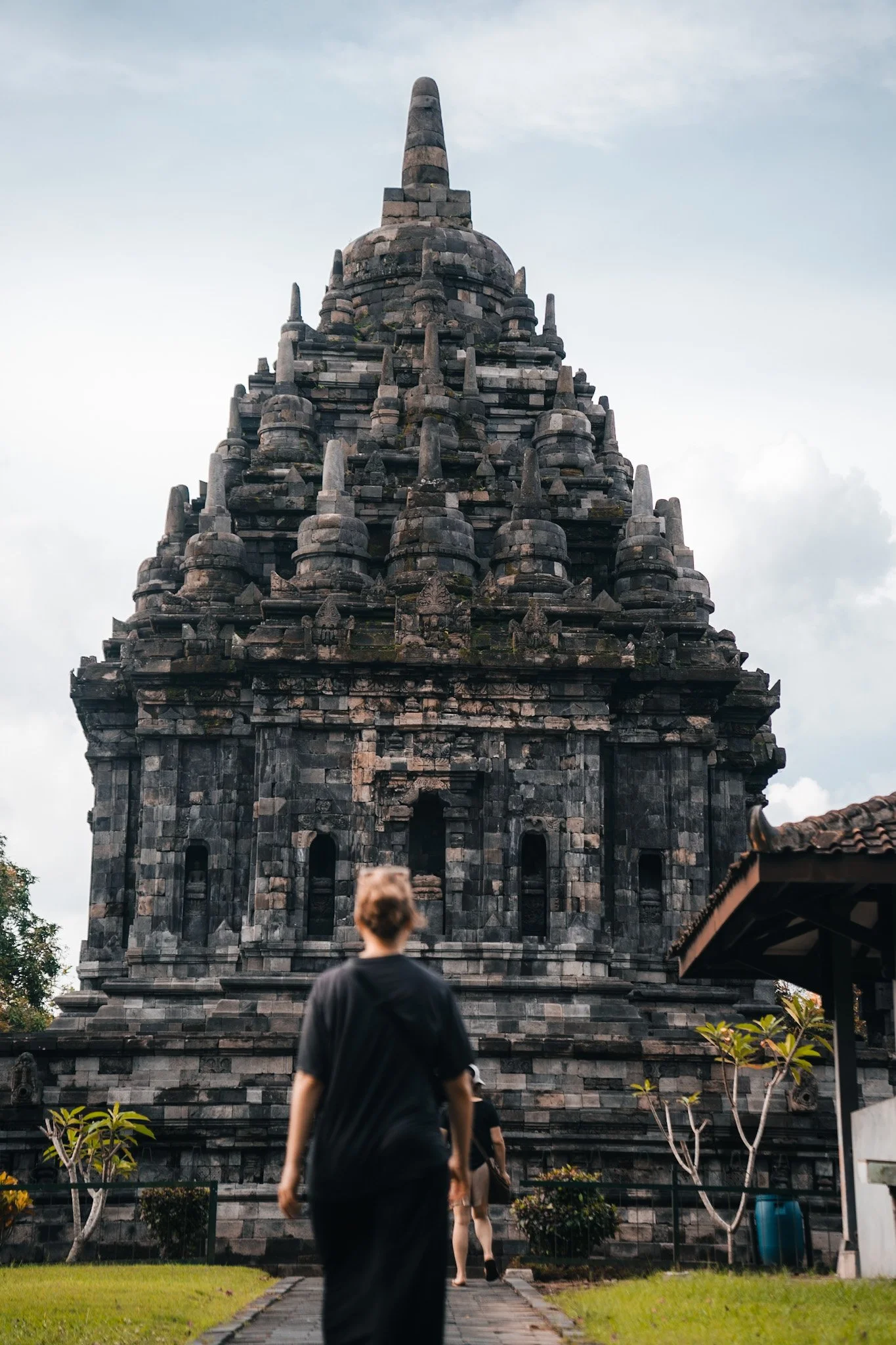
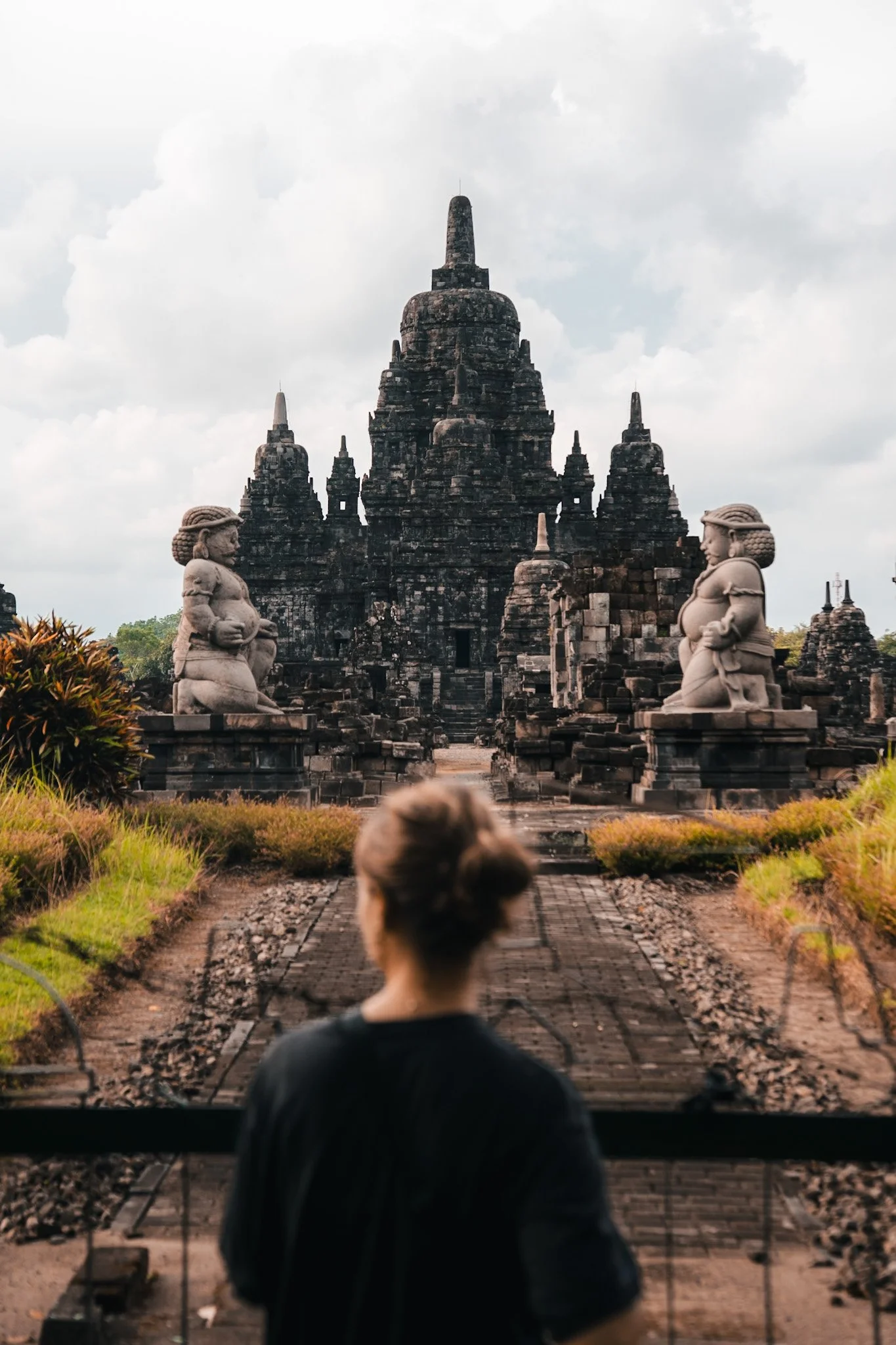
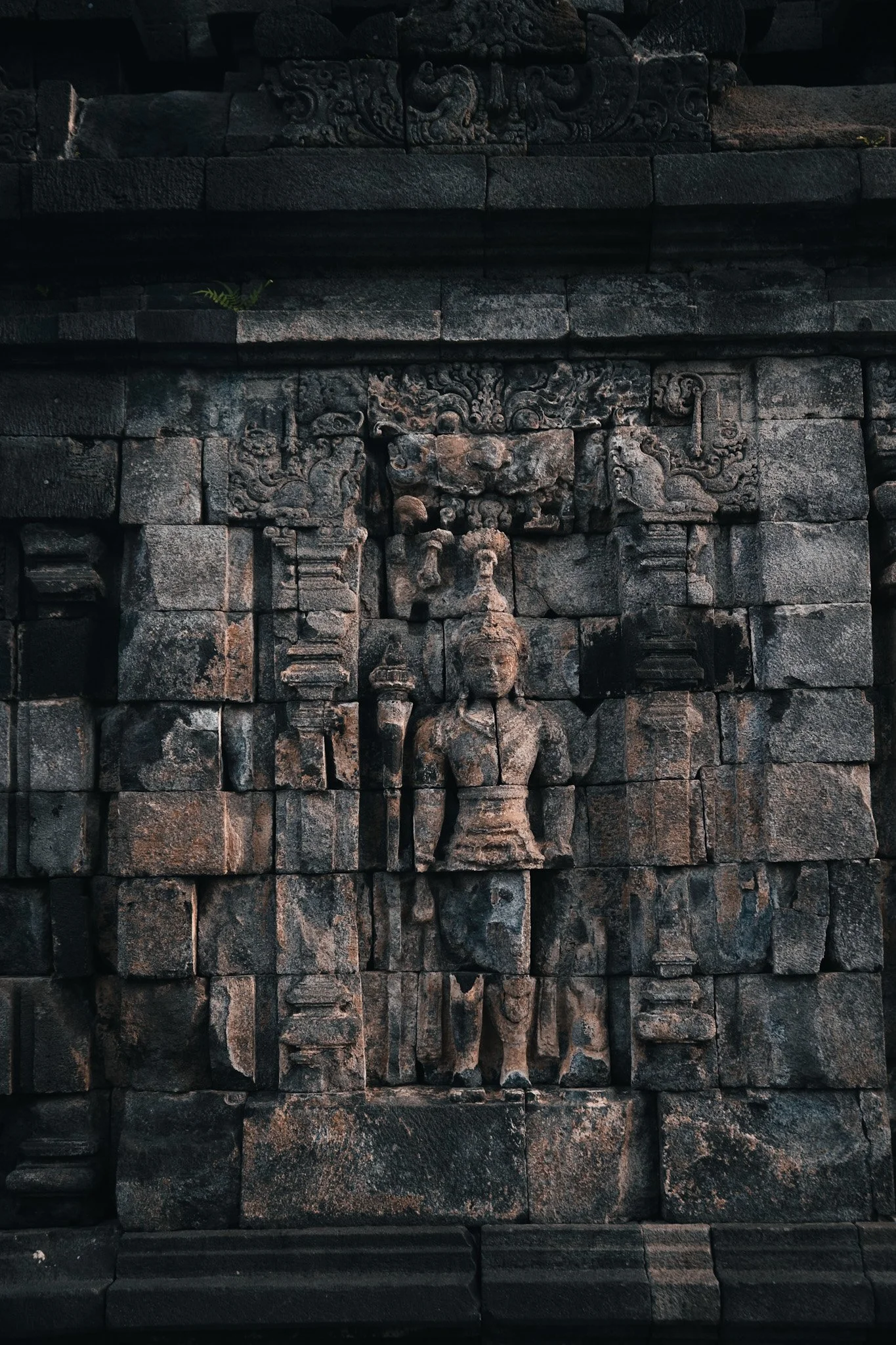
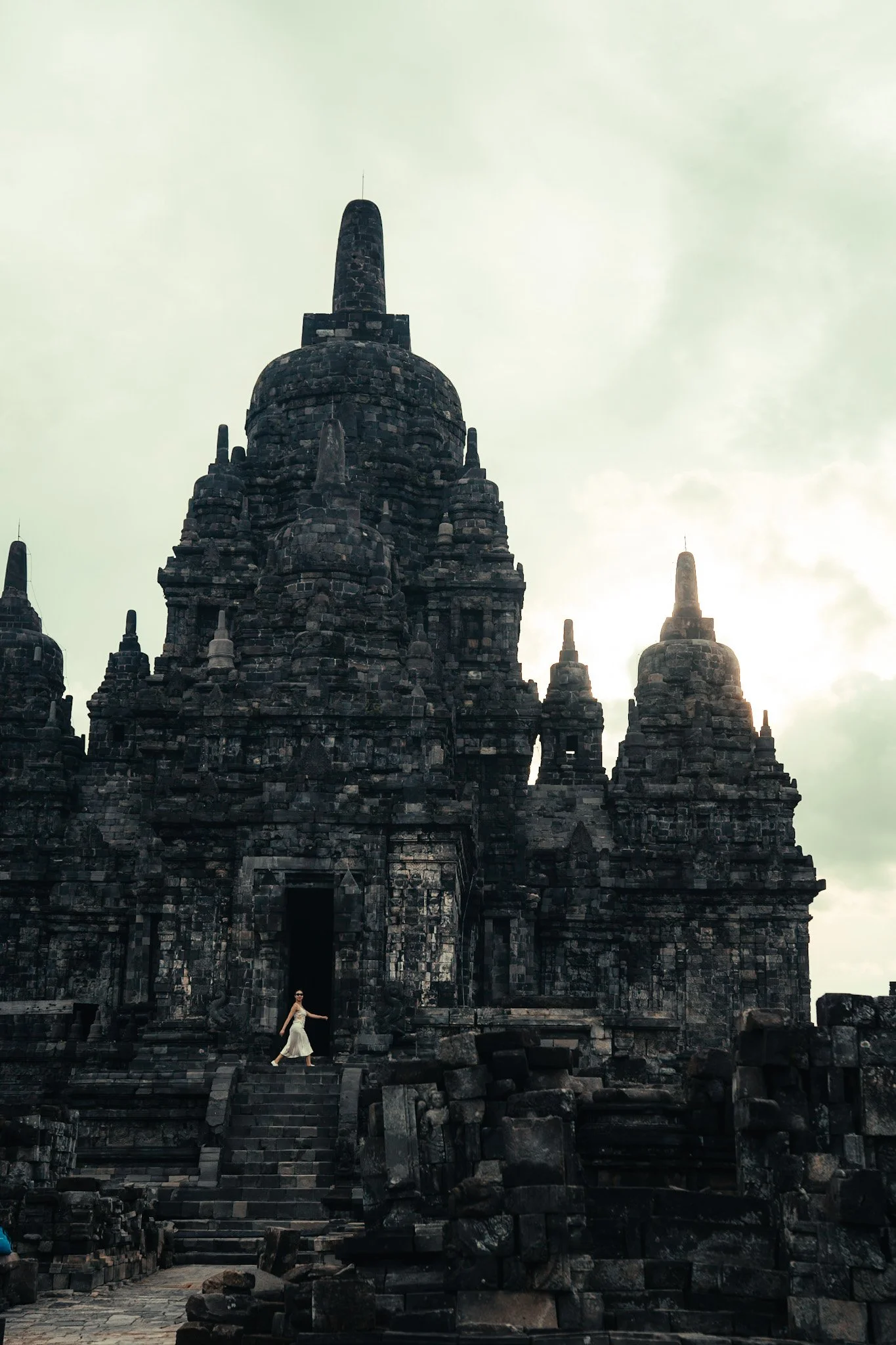
Surrounding the main trio are smaller temples, once dedicated to their animal vehicles — Nandi (the bull for Shiva), Hamsa (the swan for Brahma), and Garuda (the eagle for Vishnu). Further out in the park, you’ll find clusters like the Lumbung Temple, a group of 16 Buddhist shrines; Bubrah Temple, a smaller, standalone structure in partial ruins; and Sewu Temple, one of the largest Buddhist temples in Java, showing how Hinduism and Buddhism once coexisted in the area.
I recommend starting with the smaller temples and saving the main three for last – it makes the experience even more special!
It's a great place to wander, with signs, shaded paths, and a calm atmosphere throughout the park.

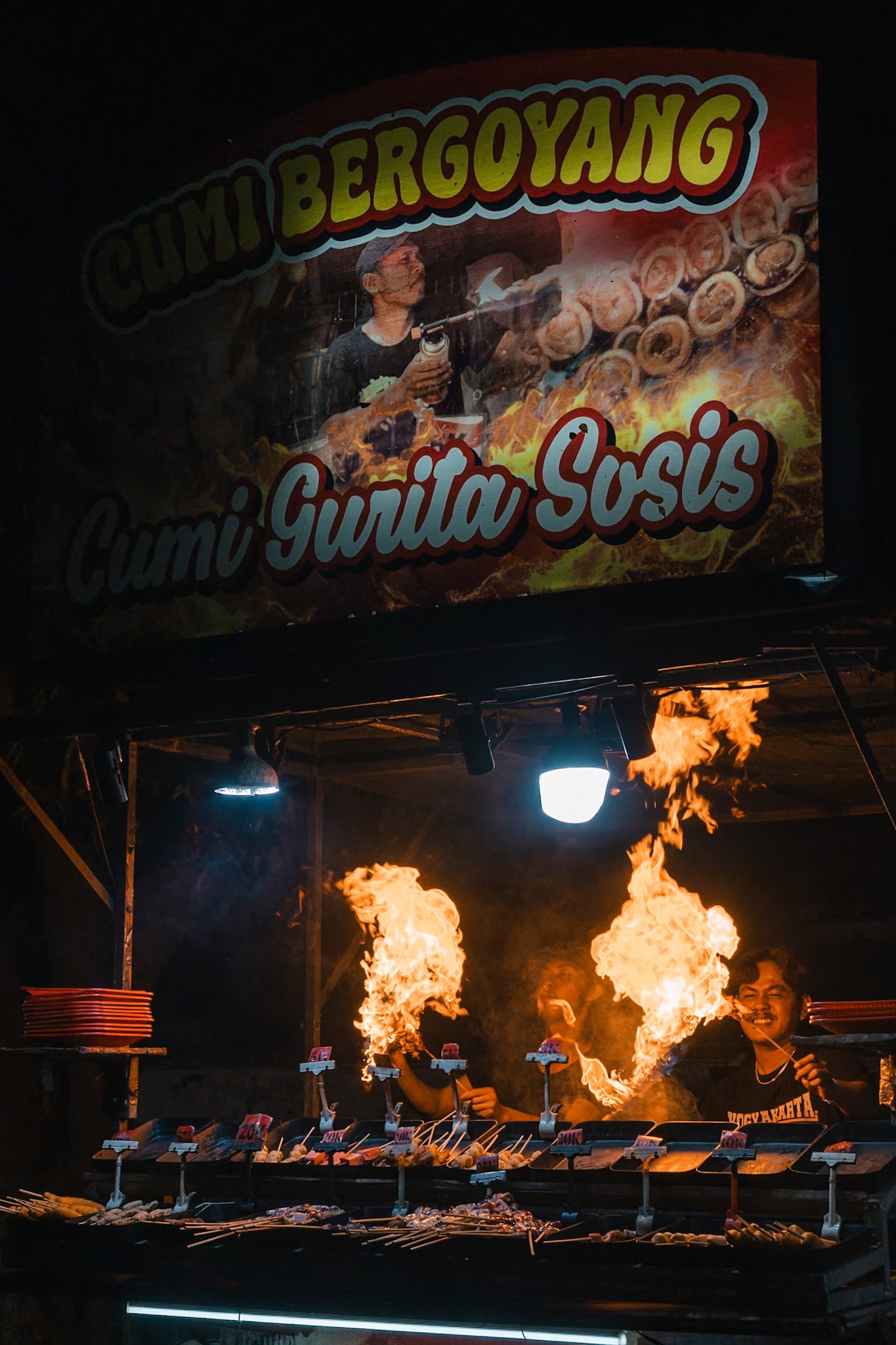
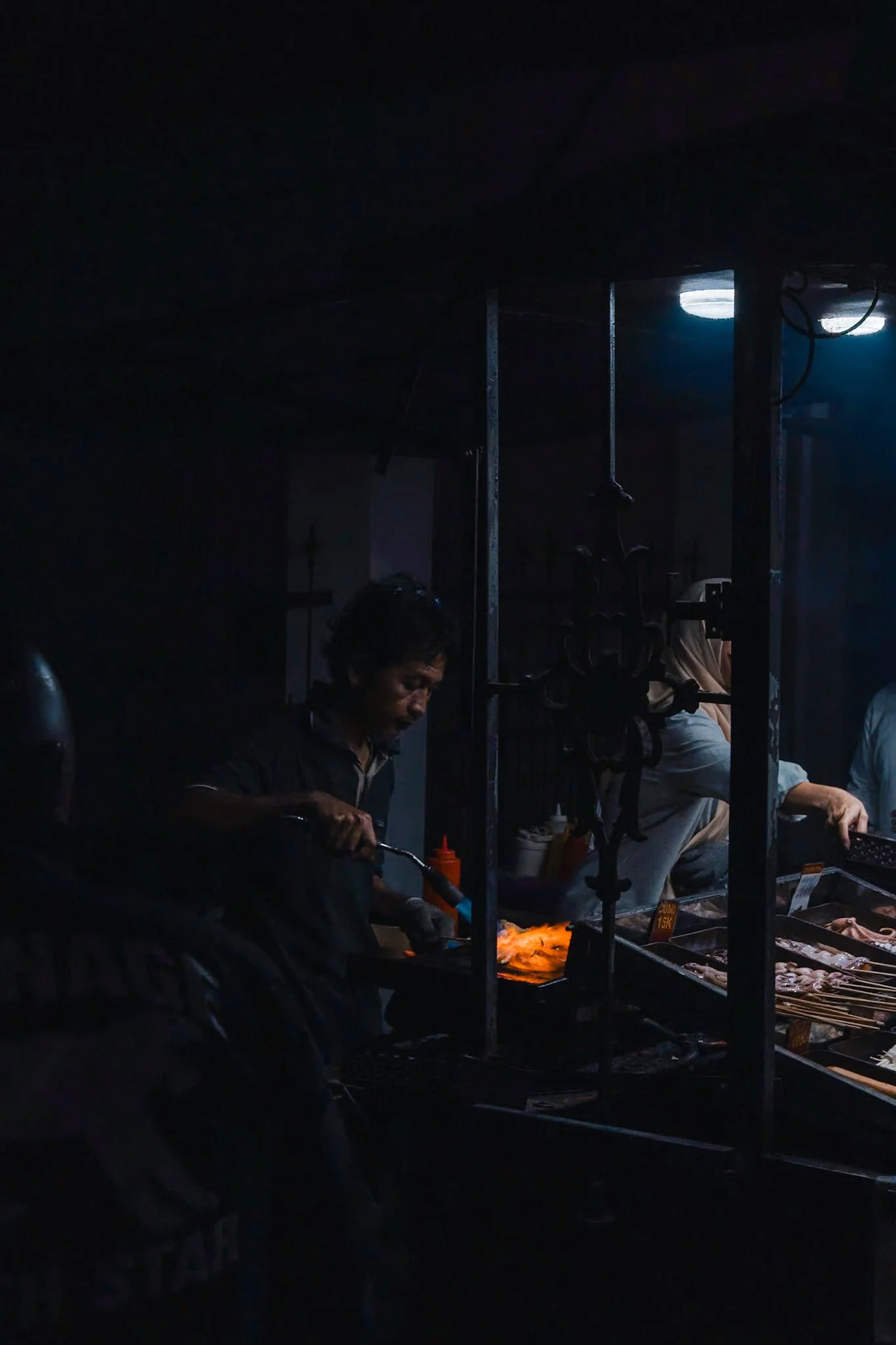
Alun-Alun Kidul, or the Southern Square, is a lively public space behind Yogyakarta’s Sultan’s Palace. Once a royal training ground, it now comes alive in the evenings with street performers, colorful pedal cars, and the famous masangin challenge. At night, the square transforms into a large street food market, full of local snacks and treats.
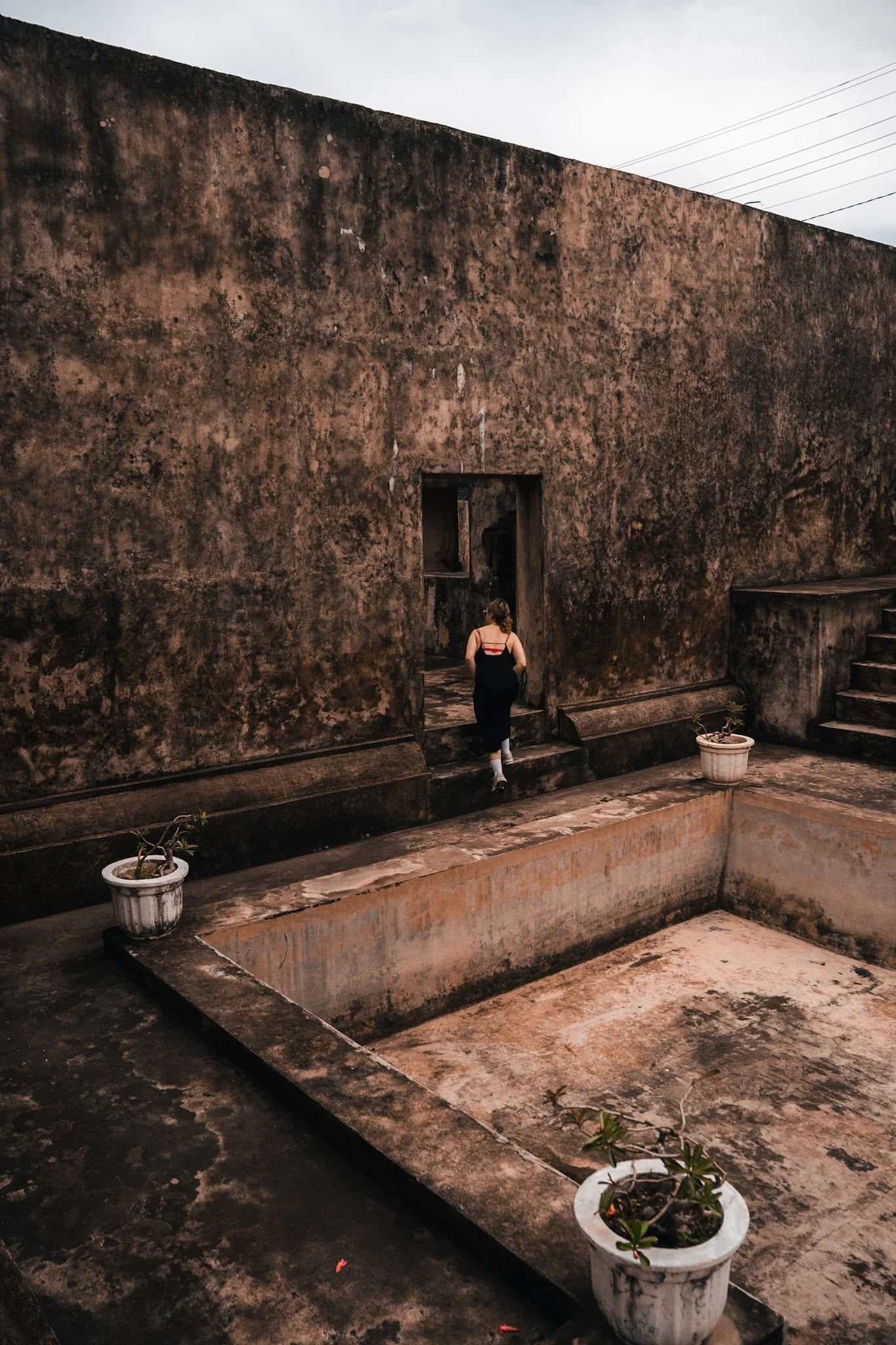
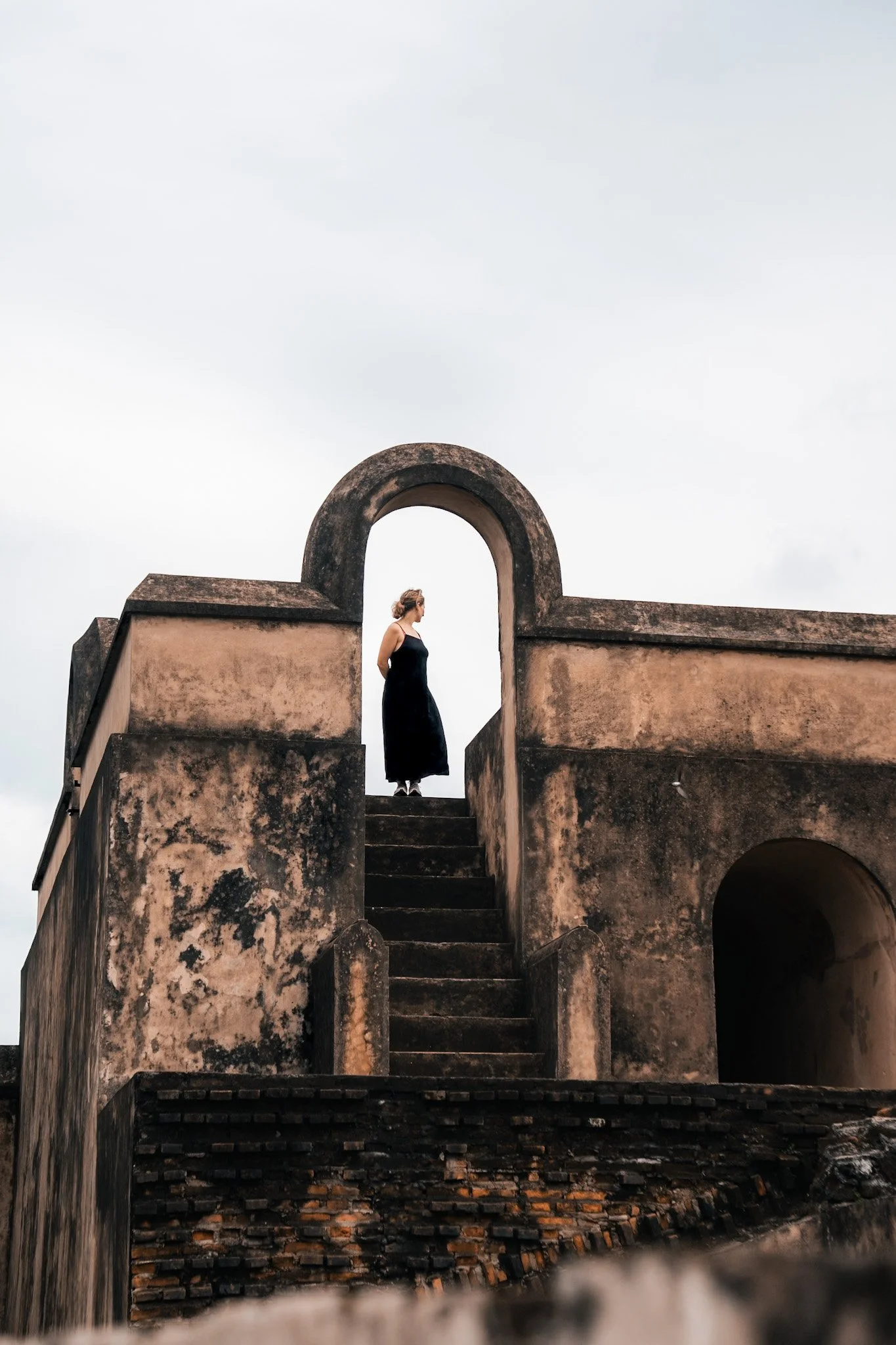
Situs Warungboto is an 18th-century royal retreat in Yogyakarta, built by Sultan Hamengkubuwono II. It was used as a peaceful getaway and defense point. The site features a central bathing pool and elevated platforms for surveillance. After damage in the 2006 earthquake, it was restored and now attracts visitors.